
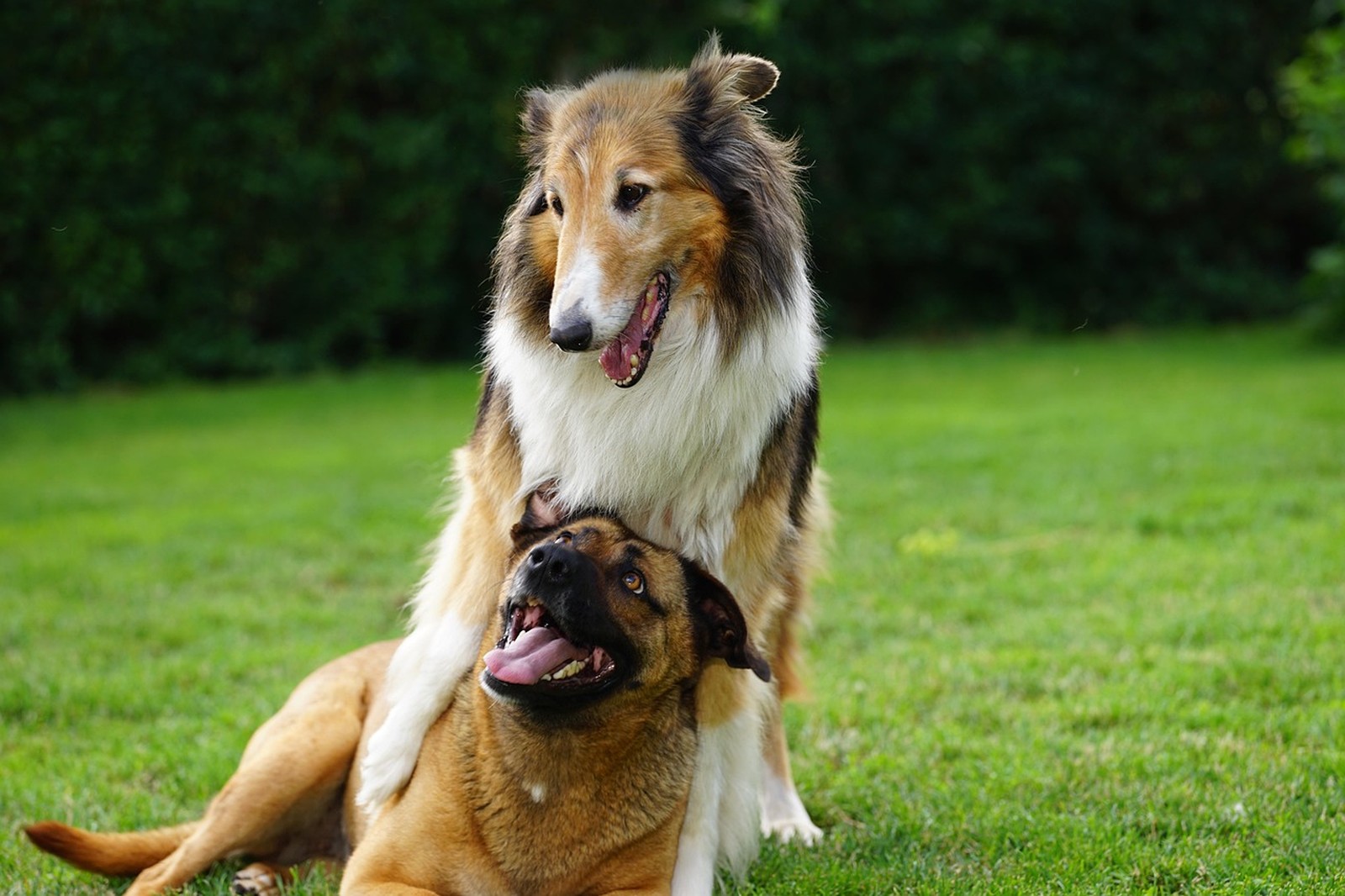
No — no breed is simply "naturally aggressive." A dog's behavior grows out of genetics, early socialization, training, health, and individual temperament working together, and a breed label alone predicts any one dog's behavior poorly. Some breeds were historically developed for guarding or protection work and may be more wary of strangers or more intense in certain situations, but that is a tendency shaped by breeding and upbringing — not a guarantee of aggression in an individual dog.
Why the myth sticks around
Breed reputations are sticky for understandable reasons. News stories name breeds in incidents while identical behavior from an unlisted breed goes unreported, so the public record skews. Size confuses the picture too: a lunging small dog gets laughed off as "feisty," while the same behavior from a large, muscular dog looks dangerous — the behavior is the same, the consequences and the headline are not. And because people who want an intimidating dog often choose intimidating-looking breeds and raise them accordingly, the owner's choices get credited to the dog's DNA.
What actually shapes a dog's behavior
Genetics loads the tendencies: energy, prey drive, sensitivity, sociability. Early socialization — the experiences a puppy has in its first months — shapes how those tendencies get expressed around people, dogs, and new places. Training and daily management teach a dog what to do with its feelings. Health matters more than most people realize: pain, thyroid problems, and other medical issues are common hidden contributors to irritability and reactivity, which is why a behavior change in an adult dog deserves a vet check. On top of all of it sits individual temperament — two puppies from the same litter can grow into noticeably different dogs.
How to judge the dog in front of you
If you are meeting a dog to adopt, work with what you can actually observe:
- Ask the rescue or shelter for the dog's history and their behavior notes — what they have seen in playgroups, on walks, and with strangers.
- Meet the dog more than once if you can, in different settings, and watch body language rather than reputation: loose and wiggly, or stiff and hard-staring?
- Be honest about the match. A powerful, high-drive dog of any breed is a poor fit for a household that cannot provide training, structure, and exercise.
- Factor in your own plans honestly — children, frequent guests, other animals — and ask how this specific dog does with each.
A note on safety and responsibility
Debunking the myth does not mean waving away risk. Any dog can bite under the wrong conditions — fear, pain, provocation, or being pushed past their warnings. Owners of every breed owe their dog supervision around children, secure fencing and leashes, and prompt help if behavior worries them. Judgment should follow the individual dog's behavior, not a label — and laws or insurance rules in some places may still restrict certain breeds, so check local regulations before adopting.
Get a fair, in-person assessment
If you want a professional read on a dog you are considering — or help with behavior you are seeing — KinsLe's Pet Services Directory can connect you with a local trainer or behavior professional for a fair, in-person assessment. Through the Pet Services Directory on KinsLe, you can find nearby trainers who will judge the individual dog in front of them instead of relying on reputation alone.