
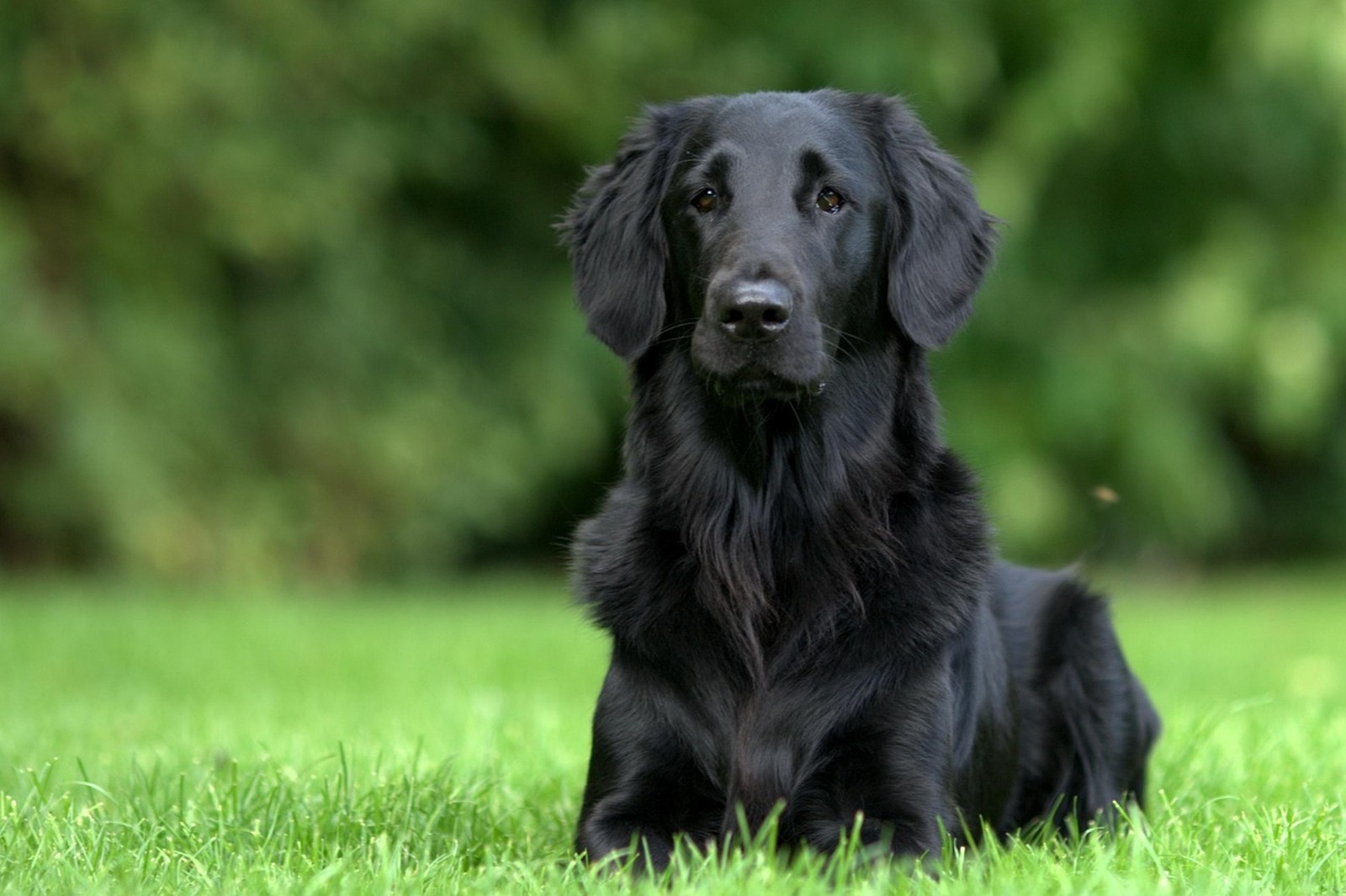
A Breed That Wants to Be in the Middle of Everything
Yes — if any retriever is set up for separation anxiety, it is the Flat-Coated Retriever. This is the breed fanciers call the Peter Pan of dogs: exuberant, affectionate, and slow to settle into adult seriousness, with a happiness that is almost entirely organised around people. A Flat-Coat does not merely enjoy company; he monitors it, follows it from room to room, and greets a five-minute absence like a homecoming.
That devotion is the breed's charm, and it is also why long, empty weekdays hit Flat-Coats harder than more independent gundogs. Distress at being left is a recognised risk owners should plan for from puppyhood, not a surprise to fix later.
What Separation Distress Looks Like in a Flat-Coat
Expect noise and motion. Whining, barking at the door, and scratching to follow you are common early signs. Inside, an anxious Flat-Coat chews with real commitment — chair legs, cushions, his own bedding — and may toilet indoors despite being housetrained, or drool and pant through the whole absence.
The greeting is diagnostic too. Every Flat-Coat greets joyfully, but a dog who is still trembling, panting, and unable to settle fifteen minutes after you return was not simply pleased to see you; he was overwhelmed while you were gone. Filming a departure shows you which dog you have.
Teaching This Dog That Leaving Is Ordinary
Exercise first, and make it breed-appropriate: retrieving games, free running in a secure space, and training woven through the walk. A Flat-Coat who has worked his body and brain can rest; one who has only been led around the block cannot.
Build departures in small, successful steps. Leave for a minute, return calmly, repeat until it is boring, then add time slowly. Practise your leaving routine — coat, keys, bag — without actually going anywhere, so those cues lose their charge. Keep greetings deliberately muted for the first minutes, rewarding the moment he is calm rather than the explosion at the door. Leave a durable chew or food puzzle that is reserved for alone time.
Because this breed matures slowly, expect the training to take longer than it would with a steadier dog, and arrange midday company on workdays while he is learning — a walker, a neighbour, or a family member on lunch break.
When Practice Is Not Enough
See your veterinarian if he injures his teeth or paws trying to escape, drools or pants through entire absences on camera, refuses food until you return, or shows no improvement after consistent gradual practice. Pain and other medical issues can sit underneath new clinginess, and a vet can assess that before referring you to a behaviour professional for a structured plan.
Puppies and adolescents need the lesson most. A young Flat-Coat who learns early that people always return, and that alone time arrives with a chew and a tired body, often matures into a steadier adult than one whose first experiences of absence were long, sudden workdays. If your schedule cannot shrink, spend on company before you spend on gadgets — for this breed, a midday human visit beats any camera or dispenser.
In KinsLe, Care Teams lets everyone who loves your Flat-Coat take a defined part — morning exercise, a midday visit, an evening round of practice departures — with completed duties time-marked so his support never has gaps.