
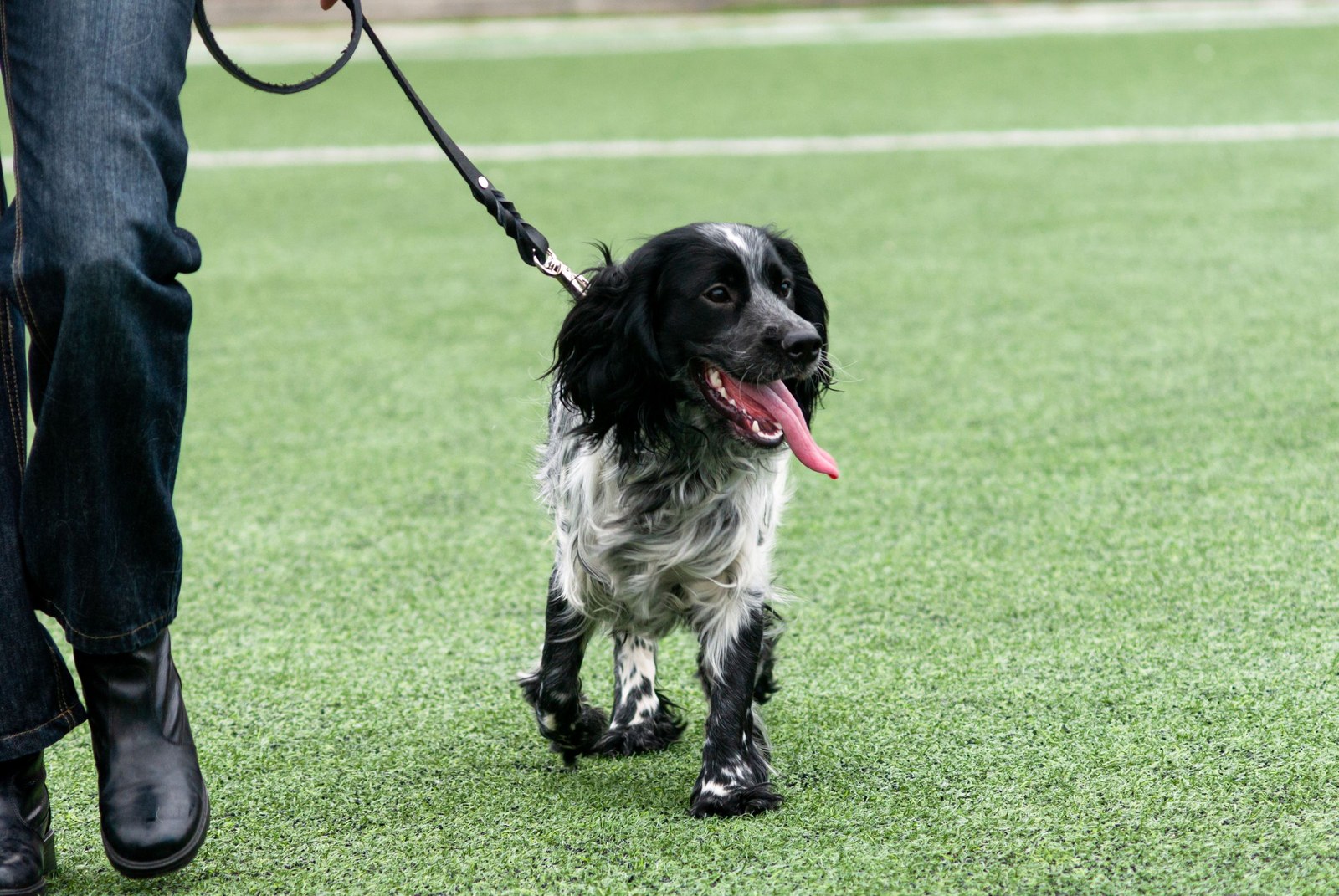
No — you should not assume garden fertilizers and pesticides are safe around dogs. Many fertilizers, weed killers, slug pellets, and insecticides can make dogs sick if they are licked off paws, eaten from the bag, or walked through before a treated area has dried. The good news is that most risk is manageable with label reading, proper waiting times, secure storage, and a paw wipe after garden time.
Which products carry the most risk
Granular fertilizers tempt dogs because some contain bone meal or blood meal that smells like food, and a dog who eats a quantity of fertilizer can end up with serious stomach upset — or a blockage from a clumped mass. Slug pellets containing metaldehyde are among the most dangerous garden products for dogs and should be avoided entirely in dog households. Weed killers and insecticides vary widely, but residues on wet grass are the common exposure route: dogs walk through, then lick their paws clean. Cocoa-shell mulch is another hidden one — it can attract dogs and contains compounds similar to those that make chocolate dangerous.
Use labels and waiting times properly
Every garden product label carries pet guidance and a re-entry or drying time — read it before you apply, not after. The practical rules:
- Keep your dog off treated lawns and beds until the product has dried or been watered in and the label's waiting period has fully passed.
- Apply on calm days so granules and sprays do not drift onto paths, toys, or water bowls.
- Pick up your dog's outdoor toys, bowls, and chews before treating the area.
- Water in granular products as directed so less residue sits on the surface.
When in doubt, choose the longer wait. Grass will survive an extra day; a poisoned dog might be in real trouble.
Store garden chemicals like medicines
Bags and bottles live locked away, in their original containers, where no dog can reach them — a garage shelf a large dog can nose is not storage. Never decant chemicals into unlabeled containers, and clean up spills immediately rather than leaving granules scattered on a path. Check treated areas for spilled piles before letting your dog back out, since a concentrated spill is far more dangerous than a properly spread application.
If you suspect exposure
Wipe or rinse your dog's paws after any time in a recently treated garden, and watch for drooling, vomiting, diarrhea, loss of appetite, wobbliness, or unusual lethargy. If you suspect your dog ate a garden product or is showing symptoms, call your veterinarian promptly and, if you can, have the product name or packaging ready — the exact ingredients determine how serious it is. Do not wait and see with slug pellets or unknown chemicals.
Warn the people who walk and sit your dog
Your careful waiting period means nothing if a sitter lets your dog onto the lawn the same afternoon. KinsLe's Care Pass is a temporary scoped link that passes garden-treatment warnings straight to a sitter or dog walker — no account or app needed on their end — so the "keep off the grass until Thursday" rule travels with your dog. Before the next lawn treatment, send the Care Pass on KinsLe to whoever walks your dog, spelling out which beds stay off-limits until the label wait ends.