
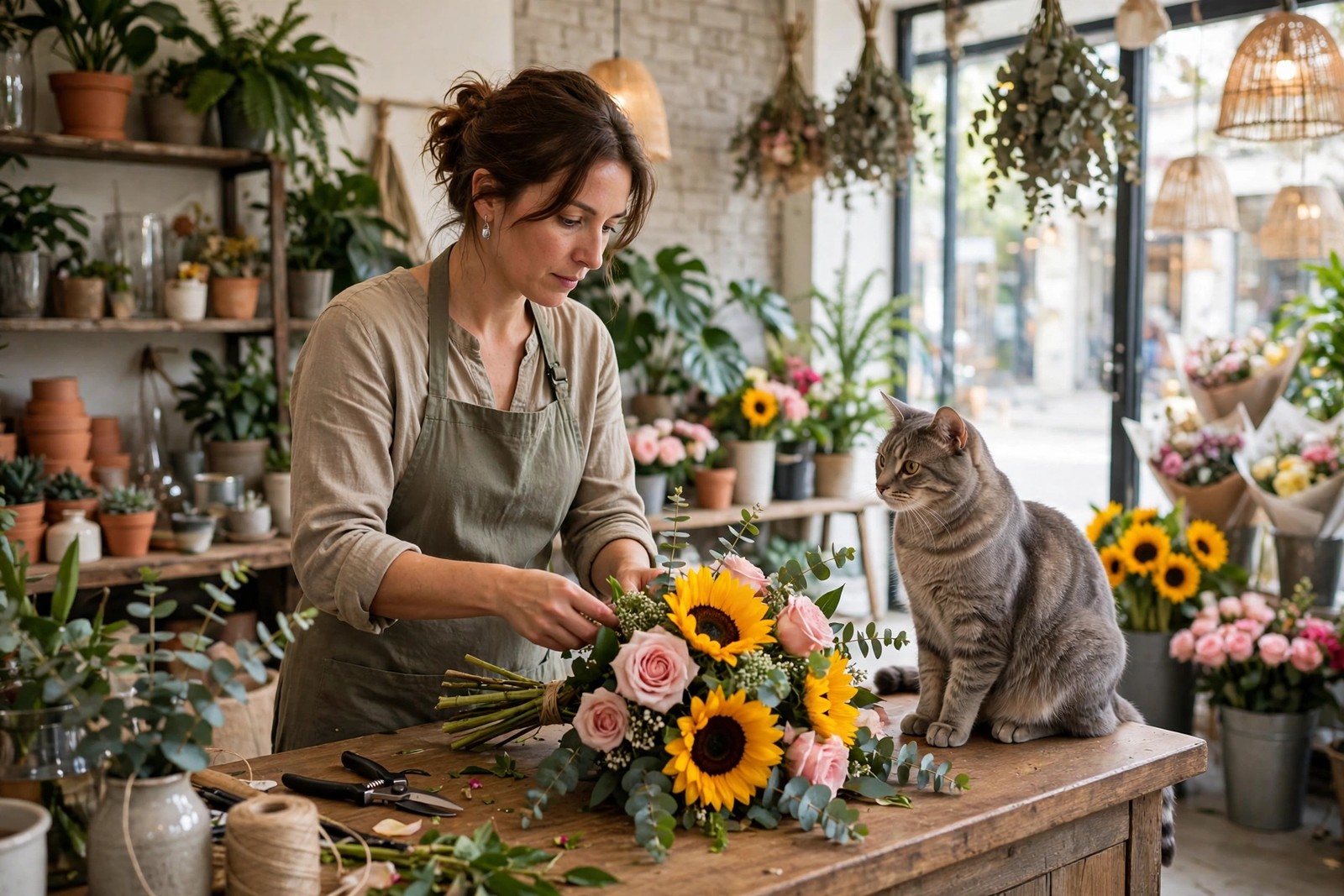
Yes, lilies are really that dangerous for cats — true lilies are extremely toxic to them, and a cat that licks pollen off its fur, chews a leaf or petal, or drinks water from the vase needs emergency veterinary care right away. There is no safe exposure and no home remedy, so the only reliable protection is keeping lilies out of a cat's home, garden, and gift bouquets entirely.
Which Lilies Are the Problem
The highest-risk plants are the true lilies in the Lilium family — Easter lilies, tiger lilies, Asiatic and Oriental lilies, and Stargazer lilies are common examples — along with daylilies in the Hemerocallis family. These are the lilies that fill holiday centerpieces, spring bouquets, sympathy arrangements, and garden borders, which is why exposure spikes around Easter, Mother's Day, and festive seasons.
Not every plant with lily in its name carries the same risk — peace lilies and calla lilies, for instance, are different plants that typically cause mouth irritation rather than the severe poisoning linked to true lilies. That distinction is no reason to relax: if you cannot positively identify a plant, treat it as dangerous, keep it away from your cat, and ask a florist or your veterinarian to confirm what it is. When in doubt, the plant goes out.
Why Even a Little Pollen Matters
Every part of a true lily is considered toxic to cats — petal, leaf, stem, pollen, and even the vase water. A common scenario is harmless-looking: a cat brushes against a bloom, gets bright orange pollen on its coat, and grooms it off. Another cat simply laps water from the vase on a table. Because the exposure route is grooming, indoor cats that never chew plants are still at risk from a bouquet placed anywhere in the home.
Veterinary guidance is consistent on timing: cats treated very early, before signs develop, have the best outlook, while waiting can allow serious kidney injury to progress. That is why this is one of those topics where owners should not watch and wait.
What To Do If You Suspect Exposure
Act immediately — do not wait for vomiting, lethargy, loss of appetite, or changes in urination to appear. Call your veterinarian or an emergency animal clinic now, and tell them you suspect lily exposure and when it may have happened. If you can, bring a photo of the plant or the plant itself, in a bag, so the team can confirm the species, and note whether your cat chewed it, has pollen on its fur, or drank vase water.
Gently brush loose pollen from the coat before transport if you can do so without delaying the call, and stop your cat grooming in the meantime. Do not induce vomiting or give anything by mouth unless a veterinary professional directs you. Early, honest information — even I am not sure, but the bouquet contains lilies — is exactly what clinics want to hear.
Safer Flowers and Finding Help Fast
Cat-safer bouquet choices commonly include roses, sunflowers, snapdragons, orchids, and many other florist staples — ask your florist for a cat-safe arrangement and say plainly that no true lilies or daylilies can be included, including as filler. Check gifted bouquets the moment they arrive, remove any lily before the arrangement comes inside, and compost it where your cat cannot reach it. If you garden, consider replacing lily beds with safer plantings, since outdoor and indoor-outdoor cats can brush against garden lilies too.
When minutes matter, knowing where to turn helps. KinsLe's Pet Services Directory helps you find local groomers, vets, sitters, and trainers, so you can locate a veterinarian near you quickly if you ever suspect an exposure — and it is worth saving your regular clinic and the nearest emergency clinic in your phone before you ever need them. Prevention, though, stays simple: no lilies, no risk.
Keep a clinic number saved before any bouquet arrives, and let KinsLe point you toward emergency veterinary help in the Pet Services Directory when lily pollen shows on its coat.