
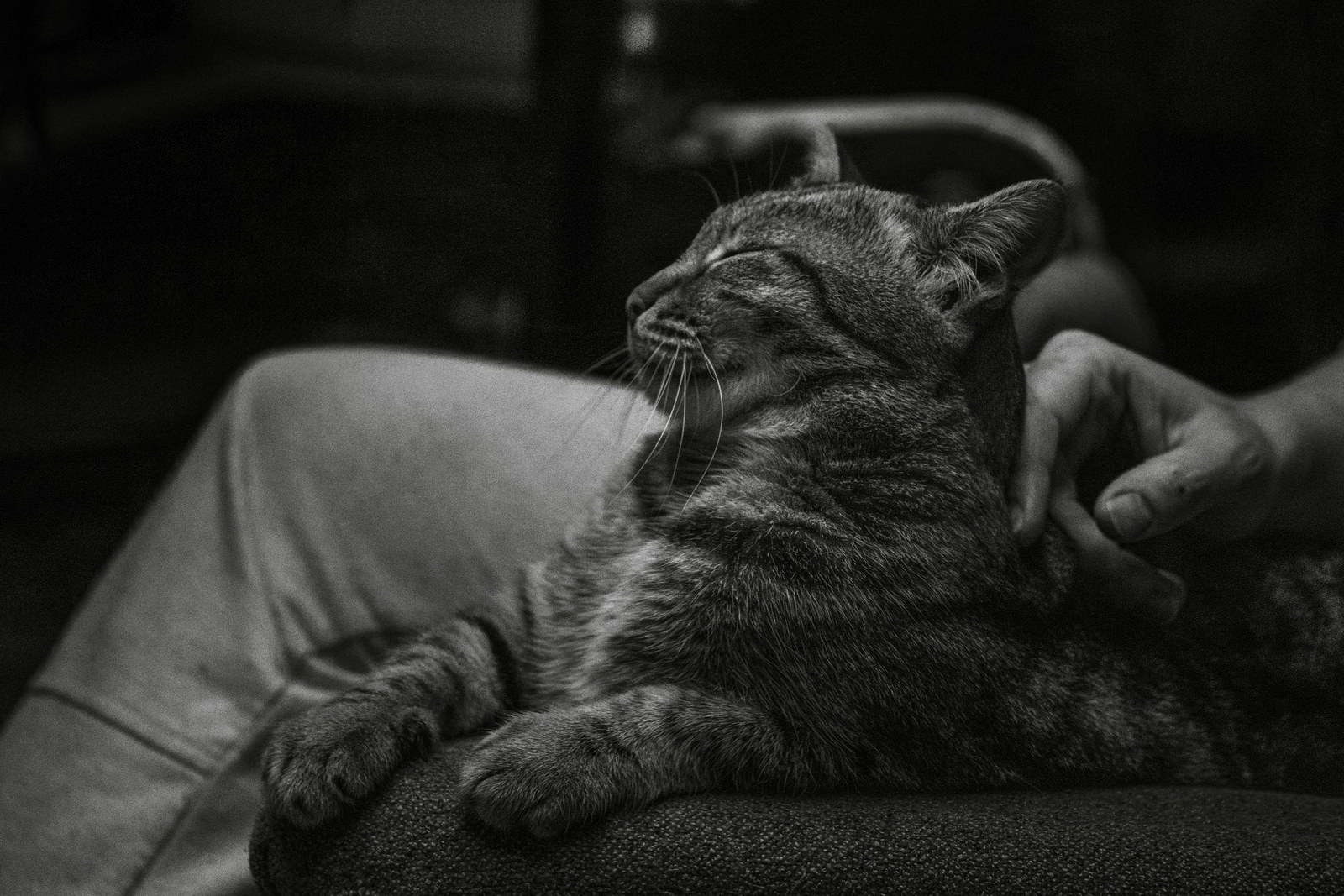
Often, yes — senior cats are one of the best-kept secrets for first-time owners. A cat of ten or older tends to be calmer, already litter trained, past the curtain-climbing kitten stage, and refreshingly predictable, because the personality you meet is the personality you are getting.
Why seniors suit beginners
First-time owners often imagine a kitten is the easy option, then discover that kittens are delightful chaos: chewing, racing around at night, and learning every household rule from zero. A senior cat usually arrives with manners installed. She knows what a litter box is for, she prefers a warm lap and a routine to mayhem, and her energy fits ordinary working life far better than a kitten's does.
There is also honesty in adopting a senior. Shelters can tell you exactly who she is — lap cat or independent, talkative or quiet, fine with dogs or firmly opposed — because she has been herself for years. For a nervous first-timer, that certainty is worth a great deal.
The health conversation to have first
Senior cats do need more veterinary attention, and you should go in with open eyes. Ask the shelter for her full health history: recent blood work if it exists, dental condition, weight trend, and any diagnosed issues such as kidney changes or arthritis, which are common in older cats. Ask what she eats and whether she takes any medication, and how she handles being given it.
Book a check with your own veterinarian soon after adoption to set a baseline, and expect twice-yearly check-ins to be sensible for many older cats. Your vet — not an article — is the person to interpret her records and advise on her individual care, so bring the shelter's paperwork to that first visit.
Making home senior-friendly
Small adjustments make a big difference to an older cat: a litter box with one low side for stiff joints, steps or a stool up to a favourite windowsill, warm draught-free sleeping spots, and food and water where she does not have to climb. Play still matters — gentle, short sessions keep muscles and mind working — and so does grooming help, since older cats often reach their backs less easily.
The emotional side
Adopting a senior means your time together is likely shorter, and that is the honest trade. What adopters consistently report is how rewarding it feels: senior cats often attach deeply and gratefully to the person who chose them. For a first-time owner, few experiences teach you what cat companionship really is as quickly.
Keeping a senior's history in one place
KinsLe's Pet Passport is the records packet that holds vaccines, medications, allergies, and documents together, shareable with vets and sitters — especially useful for a senior cat whose history matters at every appointment. Nothing gets lost between shelter, home, and clinic. Bring shelter paperwork, blood work, and dental notes together in the Pet Passport on KinsLe, giving her first clinic visit a complete history instead of guesswork.