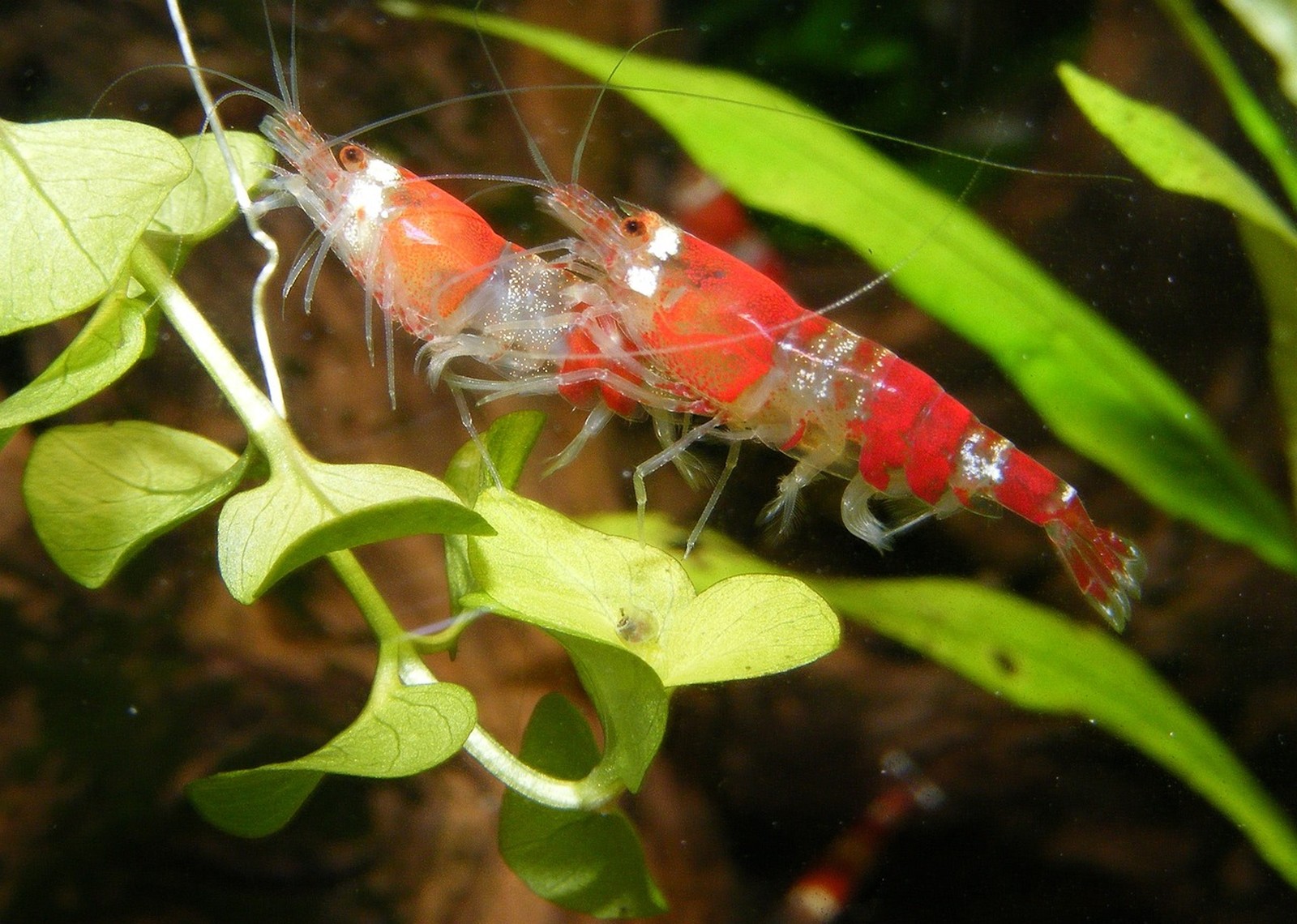
Shrimp tempt first-time keepers because they are inexpensive, colourful, and constantly busy cleaning algae from plants and glass. Cherry shrimp and their colour variants are the usual starting point, and in the right tank they are genuinely easy. The catch is timing. Shrimp are not a way to start a tank; they are a reward for finishing the unglamorous part first, because the water conditions that barely bother a hardy fish can kill shrimp overnight.
Cycle the Tank Before Shrimp Arrive
A new aquarium needs its filter bacteria established through a fishless cycle, which commonly takes several weeks. Ammonia and nitrite should both read zero on a liquid test kit before shrimp go in, and nitrate should be low. Plants, wood, and a sponge filter give shrimp surfaces to graze and shelter for newly moulted animals, whose soft new shells leave them vulnerable for a day or two. Avoid medicines and plant treatments containing copper, which is highly toxic to shrimp, and check labels before anything goes into their water. Stable temperature in the low to mid twenties Celsius and gentle filtration matter more than chasing exact numbers that swing daily.
Acclimation Is Where Beginners Lose Shrimp
Float-and-drop is too abrupt for an animal this sensitive to chemistry. Drip acclimation, adding tank water to the shrimp's bag water slowly over an hour or more, gives them time to adjust to differences in hardness and pH. Buy a group rather than two or three; shrimp are more confident and visible in numbers, and a group of ten or so also starts a breeding colony if conditions suit. Expect a few shy days at first, with most activity around feeding and after lights dim. A shrimp lying on its side, swimming frantically in circles, or a sudden cluster of deaths points to a water problem to test immediately, not a mystery to watch.
Feeding, Tankmates, and Daily Reality
Shrimp mostly feed themselves on biofilm and algae, so the beginner error is overfeeding, which rots and spikes ammonia. A tiny amount of shrimp food a few times a week, removed if uneaten after a couple of hours, is plenty. They need calcium and minerals in the water to moult successfully, so very soft water can cause failed moults even when everything else looks right. Keep them with small, peaceful fish or snails only; even mild community fish will eat baby shrimp, and larger fish will eat adults. There are no vaccinations or behaviour notes to request for shrimp, a checklist borrowed from dog adoption that simply does not apply here; judge a shop instead by clean tanks, active shrimp, and no dead animals in the water.
When Shrimp Are the Wrong First Choice
If you want a tank filled and stocked this weekend, or fish that rush to the glass at feeding time, shrimp will disappoint you. If you enjoy watching tiny, detailed behaviour and can wait for stability, a shrimp colony becomes more interesting every month as babies appear. The shrimp themselves stay safer when the people around the tank are not improvising, and relatives you pick can open the colony's profile for themselves once you grant access through KinsLe's Family Sharing.