
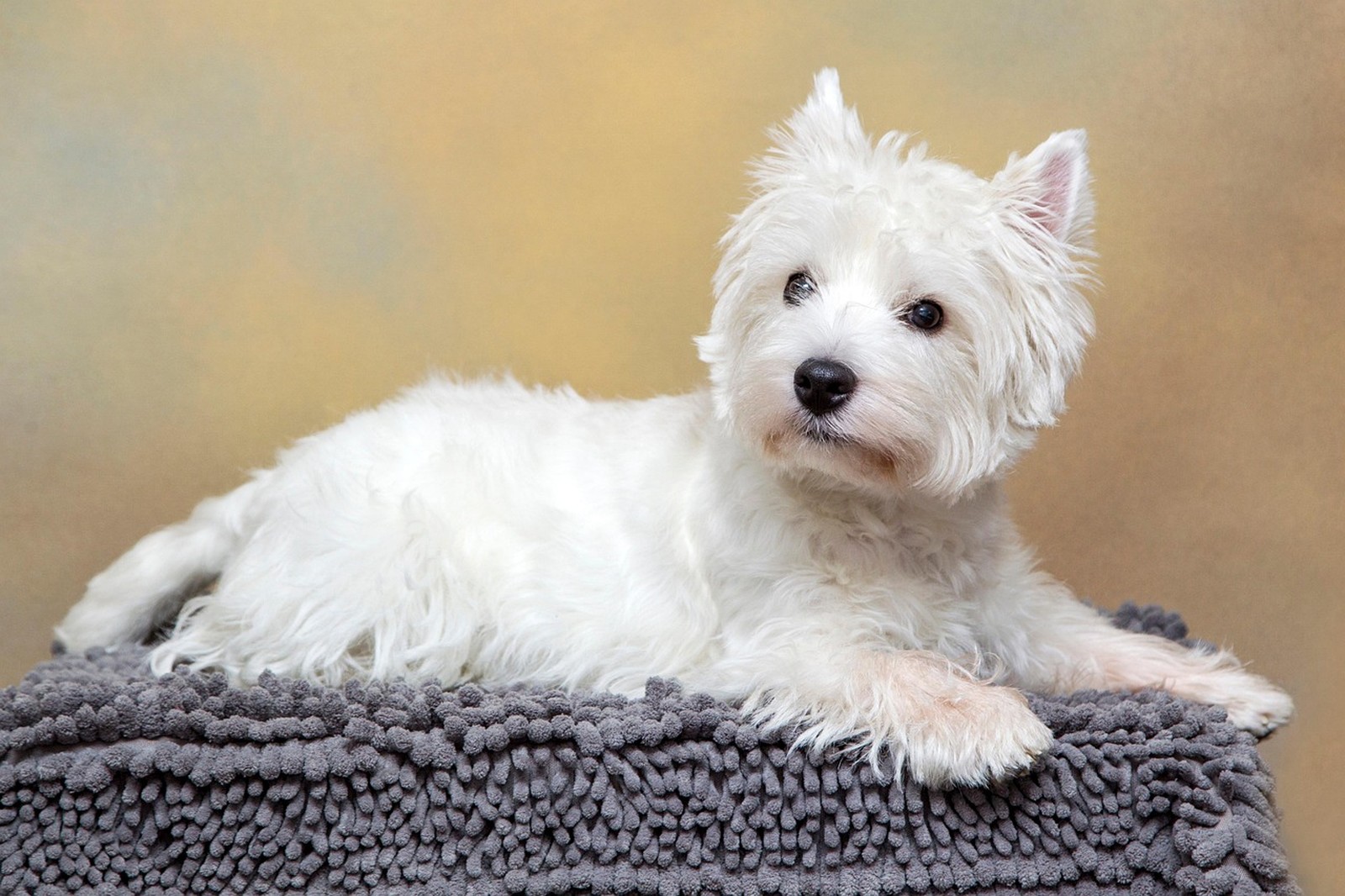
A West Highland White Terrier can live in a hot climate, but not on a cold-climate schedule. This is a double-coated breed built to keep weather out in Scotland, and in sustained heat that insulation works against the dog. Westies are also bright, busy terriers who would rather keep playing than admit they are hot, so the responsibility for pacing falls entirely on the owner. Homes that reorganise the day around temperature usually succeed; homes expecting midday summer walks struggle.
How Heat Builds Up in This Breed
Dogs cool themselves mainly by panting, and a thick undercoat slows the loss of body heat while the pale outer coat offers only limited help against strong sun. Add a terrier's enthusiasm for chasing, digging, and patrolling, and a Westie can overheat during play that looks moderate to a person standing still. Humidity makes everything worse because panting becomes less effective, and a dog who was fine on a dry hot morning may struggle badly on a muggy afternoon at the same temperature. Pavement is a second hazard: sun-baked surfaces can burn paw pads, and the heat radiating off them sits exactly at a small dog's body height.
Rebuilding the Day Around the Thermometer
Move the main walk to early morning, keep a second proper outing for after sunset, and reduce midday trips to a brief, shaded toilet break. Test pavement with the back of your hand before setting out, choose grass and shaded routes, and carry water even for short walks. Indoors, the dog needs a genuinely cool resting spot away from sunlit windows, with water always down, and garden time should be supervised and shaded rather than an all-afternoon bake. Swap midday exercise for indoor enrichment: scent games, puzzle feeding, and short training bursts burn terrier energy without heat load. On the hottest days, accept a quieter dog as a success, not a problem to fix with a longer walk.
Coat Care Myths to Avoid in the Heat
Do not shave a Westie down to help it cope. The double coat, brushed out so air can move through it, insulates against heat as well as cold and shields the skin from sunburn; a clipped-to-the-skin coat removes that protection and can grow back with a changed texture. What does help is thorough, regular brushing to remove loose undercoat, prompt drying after any paddling or bathing, and attention to skin folds of dampness, because this breed's sometimes sensitive skin can flare in hot, humid weather. Persistent scratching, red patches, or a sour smell from the coat deserve a vet conversation rather than another bath.
Knowing When Heat Becomes an Emergency
Stop activity at once for heavy, relentless panting, a dog who lags, weaves, or lies down and refuses to continue, thick drooling, or gums that look unusually dark or dry. Move to shade or air conditioning, offer small drinks of cool water, and contact a veterinarian promptly if the dog vomits, seems disoriented, or does not settle quickly, because heatstroke escalates fast in a small, thick-coated dog. Households weighing up a Westie for a genuinely hot region should be honest about whether this daily discipline fits their life. For the days when conditions change suddenly, KinsLe puts Kinny within reach for quick guidance on reshaping walks and play, so heat decisions get made before a routine outing turns risky.