
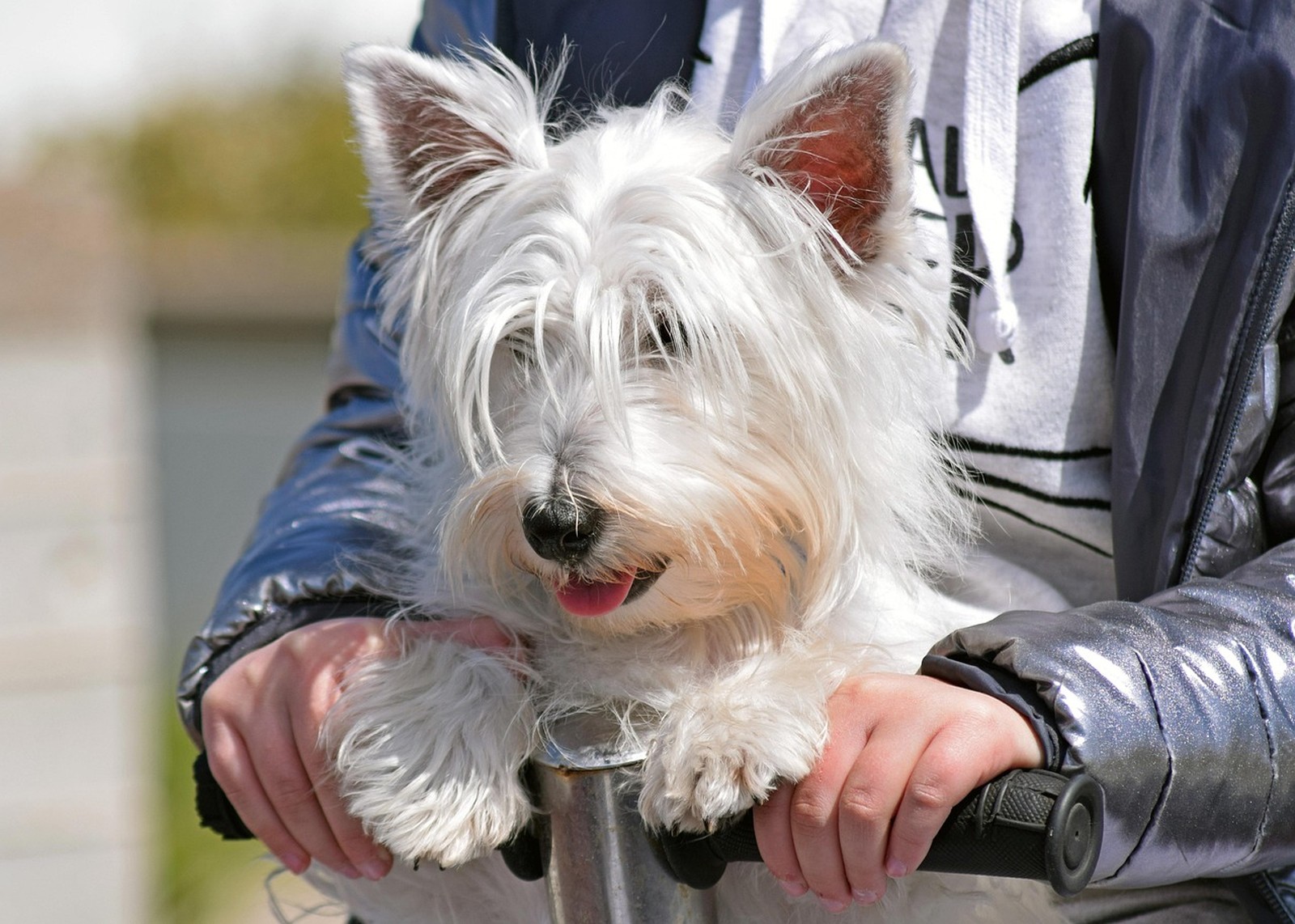
A West Highland White Terrier can suit someone who travels a lot for work, but the breed will not simply absorb a chaotic schedule. Westies are companionable, self-assured little terriers who attach strongly to their people and their routines. Repeated, unpredictable absences can surface as barking, chewing, house-training slips, or a dog who shadows you frantically between trips. The good news is that their size and adaptability make good solutions unusually practical, provided you build them before the travel starts.
What Frequent Absence Actually Does to a Westie
This breed was bred to work independently underground, yet live as a companion at home, and that mix produces a dog who is confident in the moment but genuinely attached underneath. A Westie left with a familiar person, in familiar surroundings, following a familiar routine usually settles well. The same dog rotated between strangers, kennels, and houses, with feeding and walks at random hours, is the one who becomes unsettled. Predictability, not your physical presence every hour, is the variable that decides whether a travelling owner's Westie thrives or frays.
The Three Care Models, Judged Honestly
Taking the dog along works for some road-based roles, since a Westie travels easily in a car and fits hotel life, but flying schedules and long site days usually rule it out. A regular sitter in your own home is often the strongest option for this breed, because territory, smells, and routine stay put while only the person changes. Boarding or a sitter's home can also work if it is the same place every time, introduced with short trial stays so the first long trip is not also the first night away. What fails is improvisation: a different favour from a different friend on every trip, each with half the instructions.
Building the Routine a Sitter Can Actually Follow
Write down the real day, not the ideal one: feeding amounts and times, walk routes and durations, toilet habits, grooming needs for that wiry coat, the games that settle evening energy, and the quirks that matter, such as a terrier's determination around open doors and small animals outdoors. Book a practice overnight before a major trip, debrief honestly afterward, and adjust the notes. Keep your departure cues boringly identical each time as well, the same bag packed in the same place and the same goodbye routine, because a Westie reads those signals closely and calm repetition teaches it that packing is weather, not disaster. Between trips, guard the reunion pattern too: calm greetings, a quick return to normal feeding and walk times, and no compensatory all-day indulgence that makes the next departure a bigger cliff edge.
The Honest Limits of This Match
If your work means leaving at a few hours of notice, most weeks, with no stable care network where you live, a Westie is the wrong dog right now, and so are most breeds. If travel is frequent but scheduled, and you can fund and organise consistent care, the breed's size and confidence make it one of the more workable choices. When you hand over to your regular sitter, KinsLe's Care Pass gives that trusted person temporary, clear access to the routine and details that keep your Westie's days normal until you are home.