
Independence, Earned Outdoors
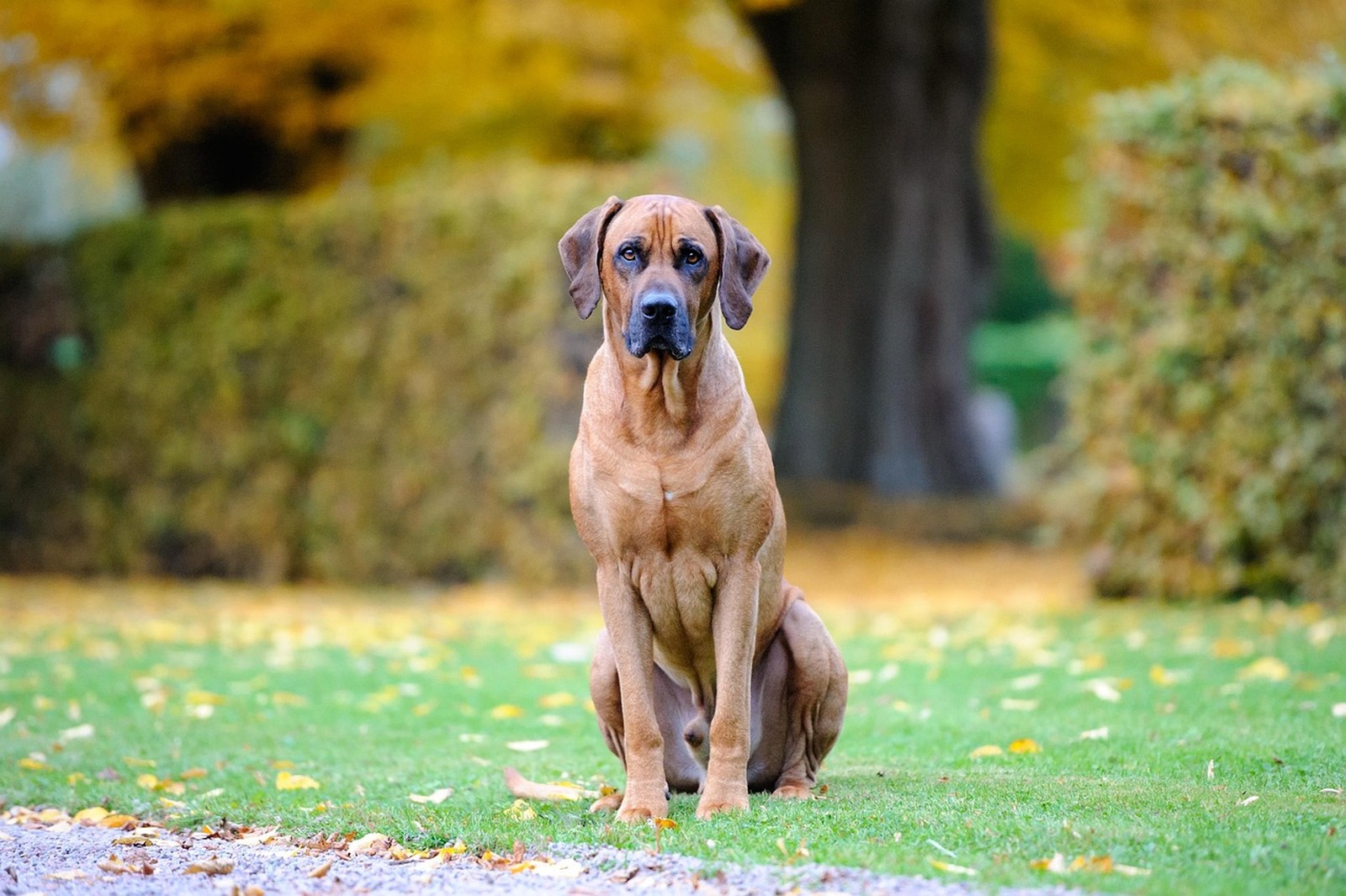
The Ridgeback was developed in southern Africa to track and hold large game and to guard the homestead — work for dogs who think for themselves, conserve themselves in the heat, and switch on completely when there is something real to do. That heritage makes the adult Ridgeback one of the more capable workday dogs: exercised properly, he is typically quiet, dignified, and content to hold the house from a favoured sofa for hours. The independence cuts both ways, though. This is not a dog who lives to please; if the routine bores him or the kitchen rewards exploration, he will follow his own judgement, and his judgement is backed by the size and strength to reach almost anything in your home.
The Morning Run Is Not Negotiable
A Ridgeback left after a token walk is a different animal from one left after a real outing, and only the second version should be trusted with your house. Give him a long walk with a chance to stretch into a run in a secure area, bearing in mind his prey drive: wildlife, cats, and cyclists can pull a switch in this breed, so off-lead freedom belongs only where fencing and training genuinely support it. He should come home emptied, watered, and showing that loose, settled body language of a dog whose work is done.
Proofing a House for a Tall, Thoughtful Dog
Walk your kitchen as a Ridgeback experiences it. Counters are not high ground to him; they are a buffet shelf at nose level, and he can open cupboards, bins, and some doors once he learns how they work. Move food into shut, latched storage, treat the bin as a safe to be secured, and clear anything toxic or precious from his patrol route. Give him a base with the comfortable, raised resting place this breed gravitates to, and expect him to claim the best seat in the house as his post — arranging washable covers there is wiser than fighting a daily eviction battle he will win whenever you are out. Durable chews and a stuffed food toy give his jaws a legal project for the first hour.
Midday and the Longer Day
A settled adult on a standard workday may genuinely not need a midday performance, but a visit still earns its place for toilet comfort, water, and a break in the watch, and it becomes essential for younger dogs, hot days, and any absence running long. Brief the visitor on Ridgeback specifics: he may greet them with polite reserve rather than enthusiasm, which is normal for the breed; the lead or harness needs to be secure before the door opens, because a sighting of something chase-worthy can produce sudden, serious pulling power; and no extra meals or rich leftovers should appear just because he looks hopeful — his routine is his routine.
The Quiet Dog's Failure Modes
When a Ridgeback objects to the arrangement, it tends to be quiet and expensive rather than noisy: a raided pantry, a dismantled bin, a door or window frame worked on methodically, or garden fencing tested by a dog who has decided to continue the morning elsewhere. Neighbours rarely report this breed; cameras and homecomings tell the story instead. Under-exercise, by contrast, announces itself as inventiveness, and the cure is in the morning, not in sterner words at the door.
Evenings Close the Bargain
He has held the house all day; the evening should repay it with company, a second proper outing, and inclusion in family life rather than another round of being managed. With KinsLe Family Sharing holding his run log, feeding plan, and visitor notes in one place, everyone who covers his day works from the same page — which suits a dog who notices immediately when the rules change between people.