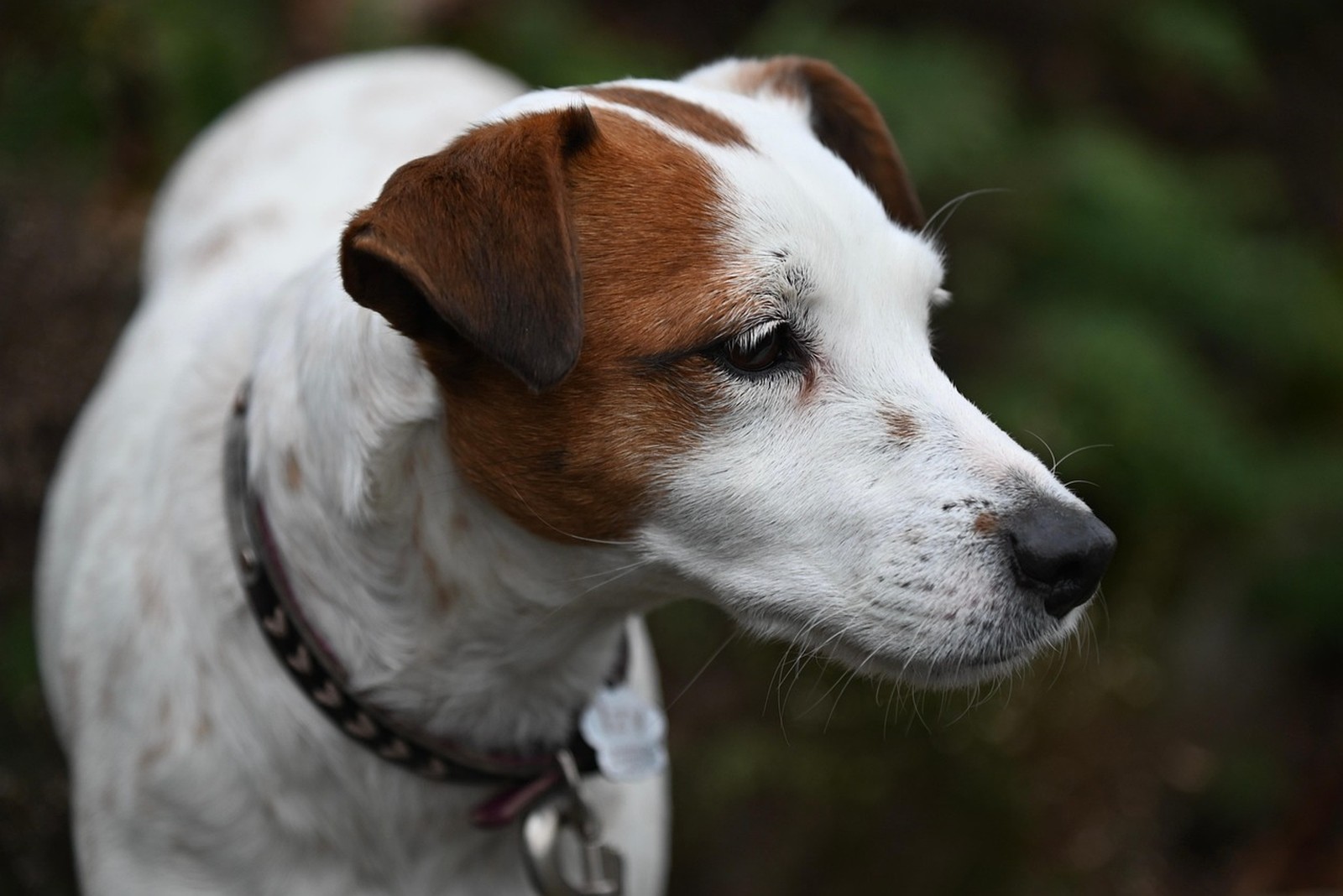
Respect the Engine in the Small Frame
The Russell Terrier was bred to follow foxes underground and work all day with the hunt — a dog selected for courage, stamina, and relentless problem-solving, who happens to weigh about as much as a house cat. Owners who plan his alone time around his size rather than his drive get a rude education. A Russell can be left for a workday, but only when the day around the absence looks like a working terrier's day: hard exercise, chances to dig and hunt legally, and company in the middle. Leave him like a lapdog and he will still behave like a hunt terrier, just on your furniture, your garden fence, and the underside of your floors.
The Morning Must Be Disproportionate
Give him an outing that would satisfy a dog three times his size: a long walk with free running in a secure area, ball or flirt-pole games in controlled bursts, and training that makes him use his head between sprints. You are looking for a dog who drinks, toilets, and flops rather than one still scanning for the next event.
Proofing for Digging, Jumping, and Genius
His alone space needs a determined audit. Russells dig under, squeeze through, climb onto, and chew apart; check fence lines and gate gaps if he has garden access, block the undersides of furniture and appliances, and secure cables, shoes, and anything shreddable at his enthusiastically explored level. Then give the instincts somewhere lawful to go: a digging box or a corner of the garden that is his to excavate, frozen food toys, a snuffle search for part of his breakfast, and chew items tough enough for a jaw built to grip. A bare room does not calm this dog; it concentrates him. A room full of sanctioned projects is what an occupied Russell actually looks like.
Midday Is a Working Break, Not a Welfare Check
His midday visitor should arrive expecting to do something: a proper walk or enclosed play session with games, a toilet break, fresh water, and a new puzzle left behind for the afternoon. A two-minute garden let-out wastes the visit on a breed whose afternoon behaviour is decided by whether the middle of the day contained any action. Brief the helper that he may be intense around other dogs and cannot be trusted off lead anywhere his prey drive could fire — a squirrel and an open gate are all the invitation a Russell needs — and that doors get managed like airlocks, because he will be watching for exactly the gap a distracted visitor leaves.
Noise, Escape Reports, and What They Mean
Contain it by basing him away from the front window and keeping the day's structure interesting, and take neighbour reports seriously, because continuous noise in this breed usually means the exercise or occupation budget has slipped, not that he has suddenly become difficult. An escape attempt is graver information — a Russell who is digging out or climbing is a dog whose alone arrangement has failed on both stimulation and safety, and it needs redesigning before the next workday, not after a successful escape onto a road. Distress looks different again: pacing, drooling, and refusing his puzzles mean fear, not boredom, and call for shorter days and gradual rebuilding.
Evenings and the Long Game
This breed repays investment: a Russell in training classes, earthdog-style games, or any job that uses his hunting brain becomes steadily more civilised about the quiet hours, because his life contains enough action to make rest welcome. Through KinsLe Care Teams, his morning run, midday session, and evening training sit on a rota everyone can see, each duty marked when it is done — the kind of organised backup a dog this relentless about missed appointments deserves.