
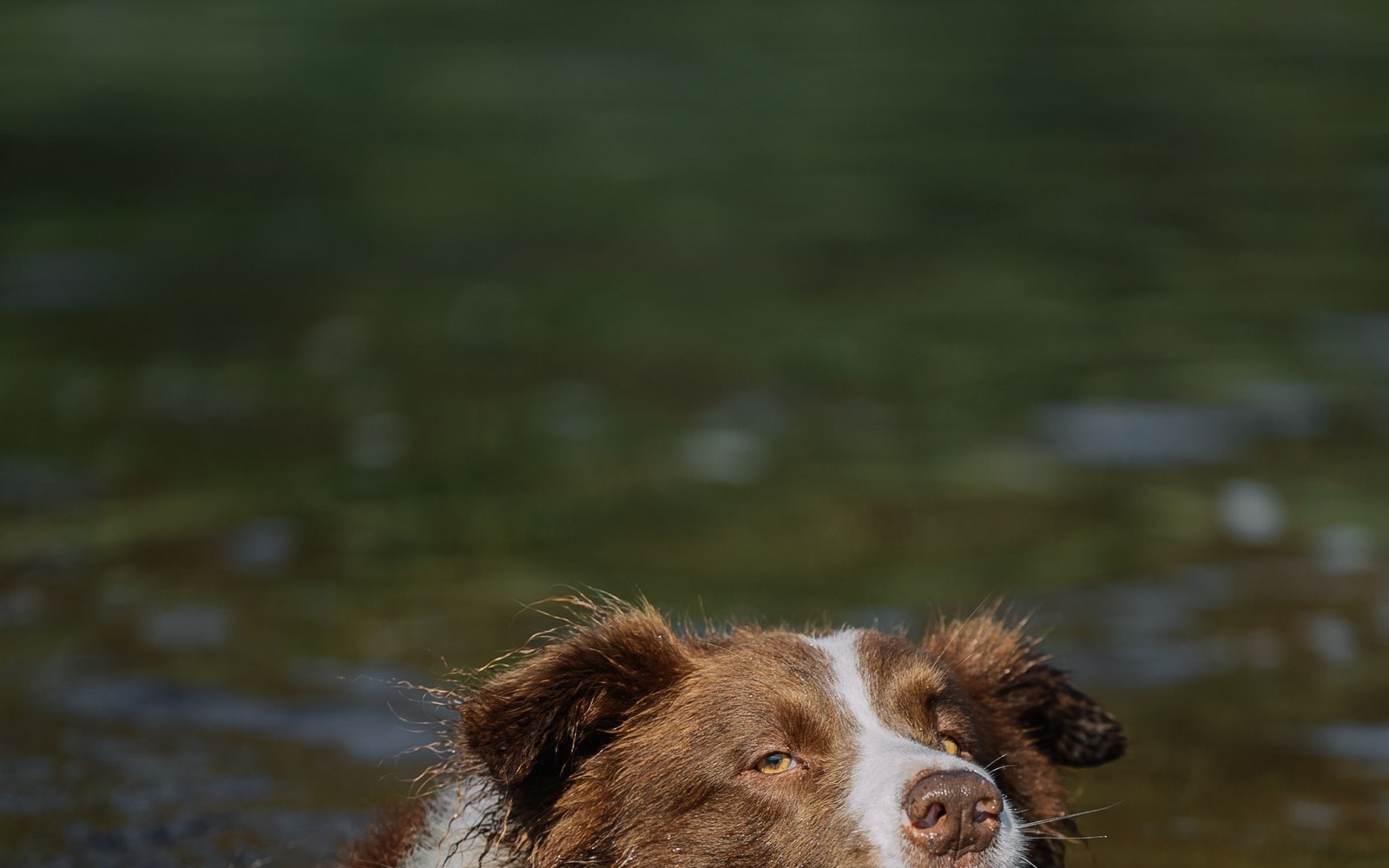
No. A dog paddling when placed in water is not the same as a dog who can swim safely. Many dogs move their legs instinctively, but flat-faced, short-legged, and top-heavy dogs often cannot keep their nose above the surface for long, and even athletic retrievers can panic, chill, or exhaust themselves in cold water, waves, or a current.
The dogs who struggle most
Bulldogs, Pugs, French Bulldogs, and other flat-faced breeds carry heavy heads on short necks and breathe through narrow airways, so holding the head up while paddling is exhausting work. Dachshunds and Corgis have long backs on very short legs that churn inefficiently, and they ride low. Deep-chested, dense breeds sit low at the front, tiny dogs lose heat and tire in minutes, and puppies and seniors have enthusiasm that easily outlasts their stamina. A young Labrador who swam strongly last summer is not proof the same dog can do it after an injury, weight gain, or a winter without exercise.
A safe first introduction
Start where your dog can stand with all four feet down and choose to walk in deeper. Use a gently sloping bank or pool steps, get in with them, and keep the first outing to a few relaxed minutes close to the exit. Let them leave whenever they want. Never throw a dog in, push a reluctant dog off a dock, or hold a thrashing dog in deep water to 'teach' them — a single frightening minute can create a lasting fear, and a panicking dog may claw at the nearest person.
A properly fitted life jacket changes the risk for learners, boat dogs, and any dog in deep or moving water. It should be snug without restricting breathing, keep the head supported, and have a top handle so you can lift or guide the dog quickly. Even in a jacket, stay close enough to intervene.
Rules for dogs who do love water
Supervise continuously, not from a phone or a barbecue. End the session at the first signs of tiring: the rear end sinking lower, frantic splashing instead of a steady paddle, repeated attempts to climb out, or a dog who keeps swallowing water. Offer fresh drinking water often so they are not gulping lake, sea, or pool water, rinse the coat afterwards, and dry ears gently. If a dog coughs repeatedly, vomits, wobbles, or seems unusually tired after swimming, contact your veterinarian promptly rather than waiting to see.
Know the exit before the dog goes in: pool steps they have practised, a ramp, or a shelving bank. Rivers, tides, submerged branches, and steep pool walls turn a confident swim into a trap, especially for a tired dog.
Identification by the water, stated honestly
A collar can loosen when wet, and if it slips off completely the QR printed for that collar goes with it — it cannot identify a dog who is no longer wearing it. That is why water safety needs layers: a snug, well-fitted collar for the outing, close supervision, and a permanent backup your vet can advise on. While the collar is on, KinsLe's Verified QR ID Pet Profiles connect that unique QR to your dog's profile, so someone who finds your wet, frightened dog at the water's edge can scan it and reach you without guessing who they belong to.