
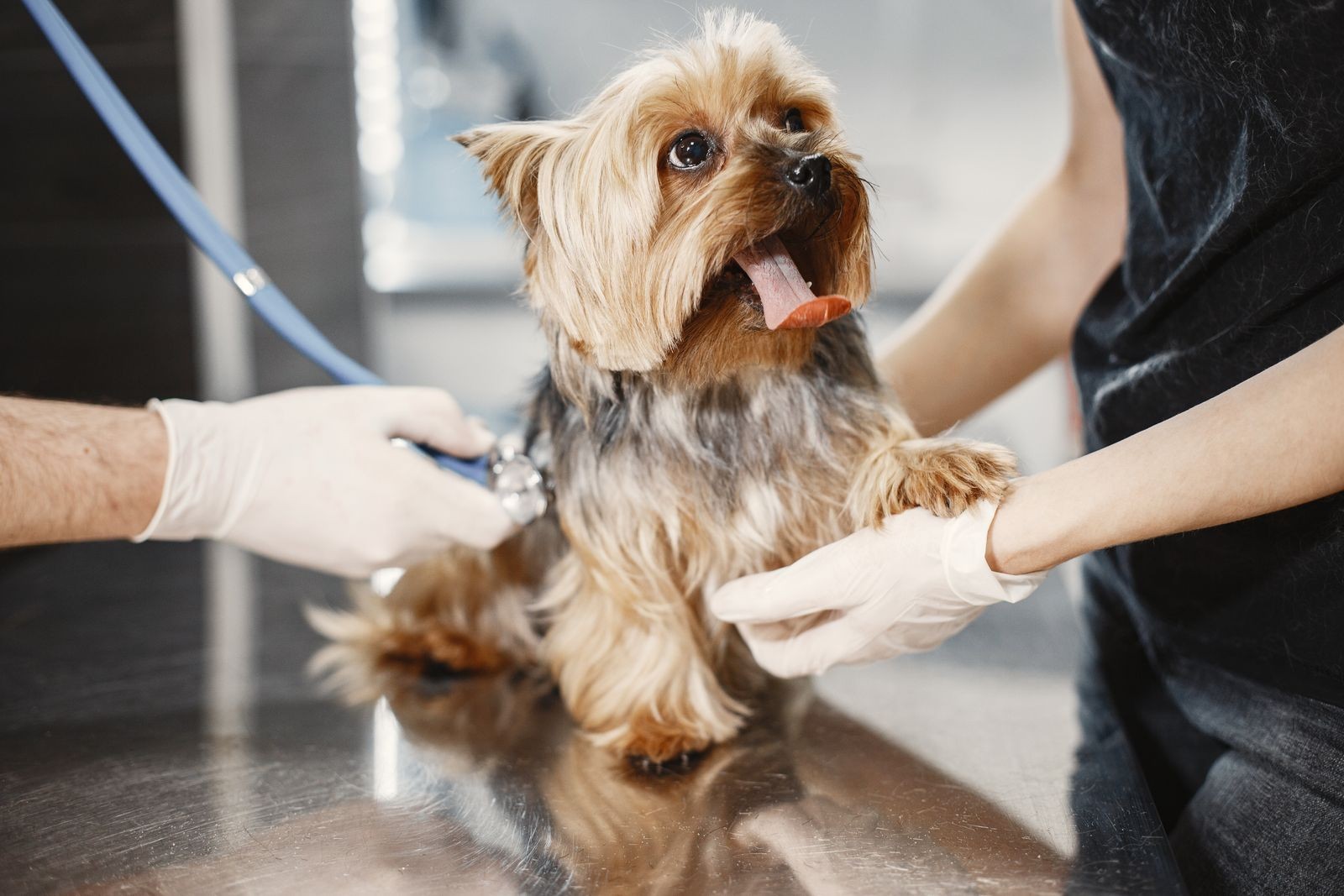
Yes, dogs can have reactions to vaccines, and the most common ones are mild and short-lived: a sleepy afternoon, a small firm bump where the needle went in, slightly sore muscles, or a reduced appetite for a day or so. These usually resolve on their own within 24 to 48 hours. Serious reactions are rare, but they do happen — and knowing exactly what they look like turns a frightening moment into a fast, correct response.
What a normal post-vaccine day looks like
Think of it as your dog's immune system doing push-ups. Many dogs are a little quieter the evening after vaccination, may nap more, and might flinch if you pat the injection site, often on the shoulder or hip. A marble-sized, non-painful lump at the site can linger for days and occasionally a couple of weeks before fading. Mild, brief soft stool or a single missed meal is also unremarkable. Puppies after their first rounds and small dogs receiving several vaccines in one visit sometimes show these effects a little more visibly, simply because the day itself is a lot.
Gentle handling, a normal walk rather than a hike, and letting him rest are all he needs. Note which vaccines were given and how he responded — that pattern is genuinely useful at future appointments.
The reactions that mean emergency care, now
Allergic reactions typically appear within minutes to a few hours of vaccination. Treat any of the following as an emergency and head to a veterinarian or emergency clinic immediately:
- Swelling of the muzzle, lips, or around the eyes
- Hives — raised, itchy bumps appearing across the body
- Repeated vomiting or diarrhea shortly after the shot
- Trouble breathing, noisy breathing, or pale gums
- Sudden collapse, extreme weakness, or unresponsiveness
Do not wait these out at home to see if they improve. Call the clinic as you go so they are ready. If a reaction happens at the clinic itself, tell the staff at once — it is one reason many practices like owners to stay nearby for a short while after vaccination, especially for first-time vaccines.
Talking with your vet about future vaccines
A past mild reaction does not mean your dog should skip vaccines — the diseases they prevent, like rabies, distemper, and parvovirus, are far more dangerous than the shots. Instead, tell your vet exactly what happened last time. They may space vaccines across visits, choose a different product, keep your dog for observation afterward, or note the reaction prominently in his chart. That conversation is also the moment to make sure his record is complete, since boarding facilities, groomers, and travel may require proof of particular vaccines.
Never try to manage a worrying reaction with leftover medication or human antihistamines unless your own veterinarian directs you for your specific dog — dosing and suitability are individual, and delay costs time.
Coordinating fast when minutes matter
If your dog swells up at home, the scramble is real: who is driving, who is calling ahead, who is staying with the kids or the other pets? KinsLe Messenger is the per-pet communications hub, so one thread tied to your dog's profile reaches your family at once — you can send a photo of the swelling, share that you are en route to the emergency clinic, and update everyone from the waiting room without juggling separate chats. Afterward, the same thread holds the timeline while it is fresh.
Relatives who were not in the waiting room can follow his recovery through the KinsLe Messenger updates on KinsLe, where appetite notes and swelling reports land in order.