
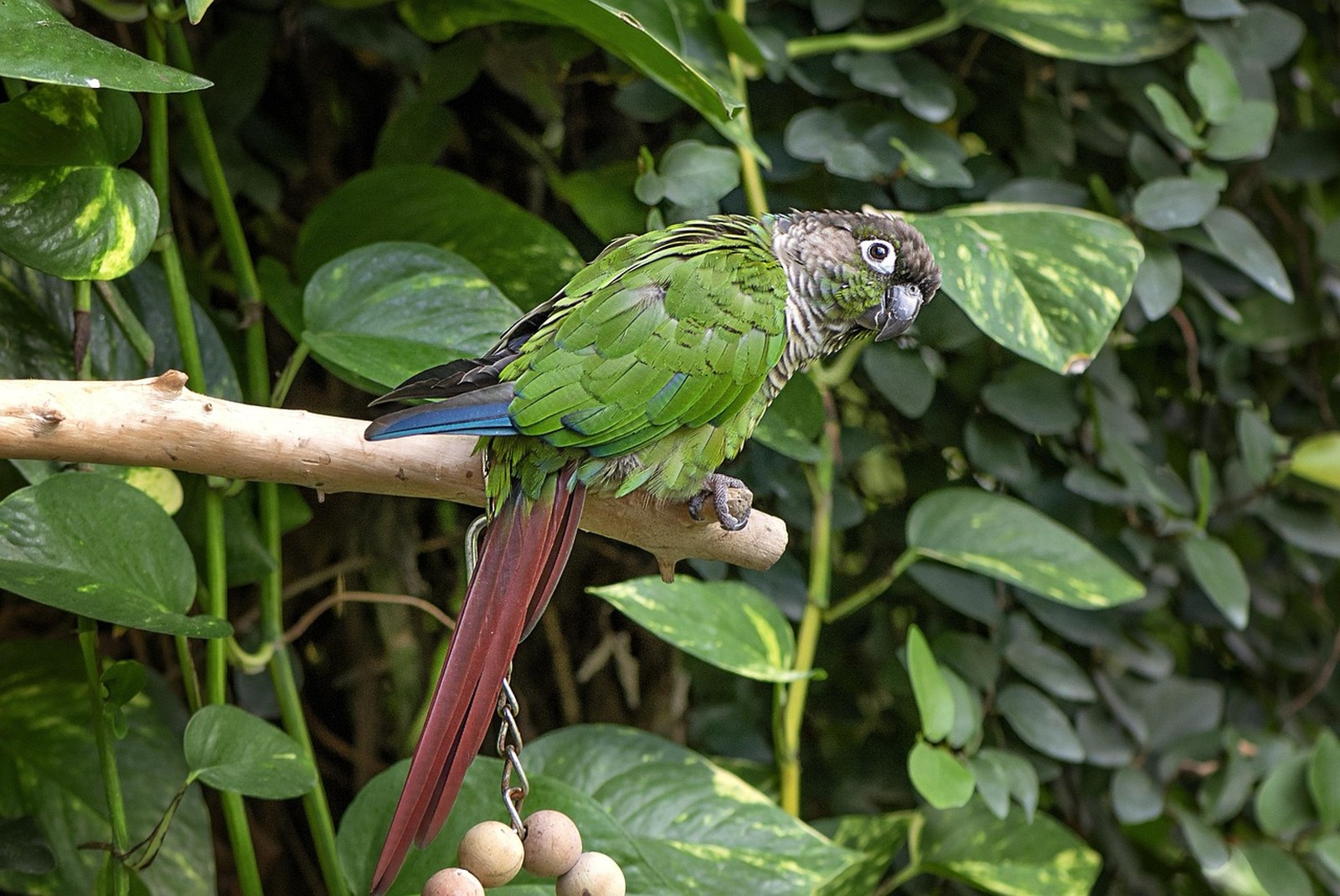
No — not as a permanent cage spot, and not for out-of-cage time while cooking is happening. The kitchen feels social and bright, which tempts owners, but for a bird it concentrates more fast-acting dangers in one room than anywhere else in the house. Birds breathe far more efficiently than mammals, which is exactly why airborne toxins hit them so hard and so fast.
The fume risk owners underestimate
When non-stick coatings of the PTFE type are overheated — an empty pan left on a burner is the classic case — they can release fumes that are odourless to us but can kill a bird within minutes, often before any rescue is possible. Smoke from burnt toast, oil, or a roast, fumes from a self-cleaning oven cycle, scented candles, and aerosol sprays such as cleaners, hairspray, and cooking sprays all load the air with particles a bird's respiratory system cannot clear. A bird can look fine at breakfast and be in fatal distress from a lunchtime pan, with little warning in between.
Kitchens also swing in temperature and humidity with ovens, kettles, and opened doors, and those drafts and spikes stress a cage bird whose wild relatives choose stable roosting conditions.
Burns, scalds, and forbidden foods
A free-flying bird in a working kitchen can land on a hot hob, dip into a pan of boiling pasta water, or be scalded by steam from a kettle or dishwasher. Ceiling fans, open windows over sinks, and doors opening constantly add escape and injury risk during the busiest, least watchful hour of the day.
Food within beak reach is its own list: avocado, chocolate, onion, garlic, caffeine, and salty, fatty scraps can all harm birds, and a kitchen cage puts a curious parrot at counter height with exactly those items. Even safe chopping invites begging and stealing, and dishwater, cleaning chemicals under the sink, and sharp utensils left in bowls complete a room that was designed for cooking, not for a prey animal with wings.
Where the cage belongs instead
Choose a living area where the household actually spends time — birds need company — against a wall for security, in natural light but out of direct midday sun, away from drafts, heaters, and the front door. Keep the room smoke-free, use ventilation when cooking, and never run a self-cleaning oven cycle with a bird in the house unless the bird is moved well away and the home is aired thoroughly before they return. Many owners move the bird's sleep cage to a quieter room at night while keeping the day cage in the social space.
Brief, supervised visits to a cool, non-cooking kitchen for a shower at the sink are a different matter from living there — the distinction is heat, fumes, and open pans, not the room's name.
A rule only protects a bird if the teenager, partner, and houseguest follow it too, so KinsLe's Family Sharing keeps your bird's profile and household rules — no aerosol sprays nearby, no overheated non-stick, doors closed during cooking — visible to everyone who shares the home, not just the person who read about the risk.