
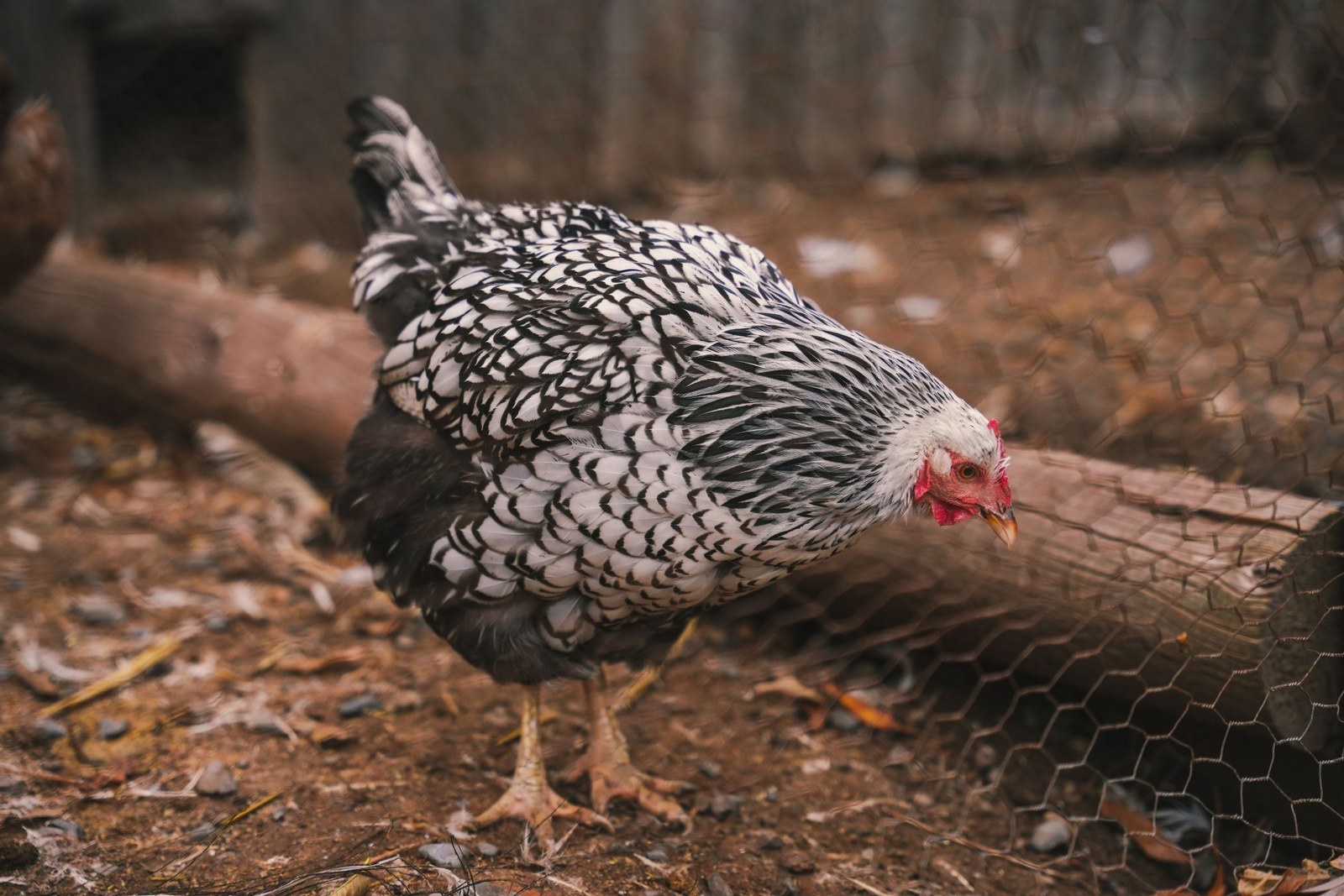
Whether you can keep goats or chickens in your backyard depends entirely on your city, county, and neighborhood rules — there is no universal answer. Zoning ordinances and HOA covenants may limit which animals you can keep, how many, and how far their housing must sit from property lines, and finding out after you have built the coop is the expensive way to learn.
Start with your zoning, not with a catalog
Your property's zoning category — residential, agricultural, or something in between — is the first gate, and most suburban residential zones treat chickens and goats very differently. Many cities now allow a small number of hens under specific conditions while still prohibiting goats outright, or classify goats as livestock barred from residential lots regardless of lot size. Call your local planning or zoning office, or your animal control department, and ask directly. Get specifics: species allowed, maximum numbers, whether roosters are banned, setback distances for coops and shelters, and whether a permit is required.
The HOA layer many people forget
Even where city law says yes, a homeowners association can say no — and its covenants, which you agreed to when you bought, can prohibit poultry or livestock entirely, restrict structures like coops, or impose their own conditions. Renters face a simpler version of the same issue: landlord permission, in writing, before any animal plans proceed. Check these documents yourself rather than relying on a neighbor's assurance that "everyone around here keeps chickens" — enforcement often begins exactly when a complaint lands.
What the rules commonly regulate
- Species and numbers: hens only in many towns; goats often capped or banned in residential zones.
- Roosters: prohibited in a large share of ordinances due to noise.
- Setbacks: coops and shelters commonly must sit a set distance from property lines and dwellings.
- Structures and permits: some areas require a permit or inspection for a coop over a certain size.
- Slaughter and sales: home slaughter and selling eggs or milk are regulated separately in many places.
Talk to your neighbors before they talk to the city
Many disputes are not really about legality — they are about surprise. A quick, friendly conversation before animals arrive, explaining what you are planning, how you will manage smell and noise, and that eggs may come their way, prevents most complaints. Keep coops clean, manage manure properly, and keep fences sound so no goat ever tours a neighbor's garden. A keeper who is considerate on purpose rarely becomes the reason a town tightens its ordinance.
If the answer is no — or not yet
A no on goats is not always a no on everything: hens, rabbits, or quail may be permitted where goats are not. If your area prohibits what you want, options include keeping animals on a leased rural parcel, joining a community farm, or simply waiting until a move makes it possible. Ordinances also change — chicken-keeping rules have liberalized in many towns in recent years, sometimes because residents asked politely and showed up to meetings.
Learn how it works in practice near you
Rules on paper and rules as lived are both worth knowing. Pet Lovers can join KinsLe free — no animals required — and the Circle of Love community connects you with local keepers who can tell you how permits, inspections, and neighbor relations actually work in your town before you commit. Circle of Love on KinsLe gives prospective backyard keepers a way to ask experienced neighbors about inspections, coop placement, and the complaints that actually trigger enforcement.