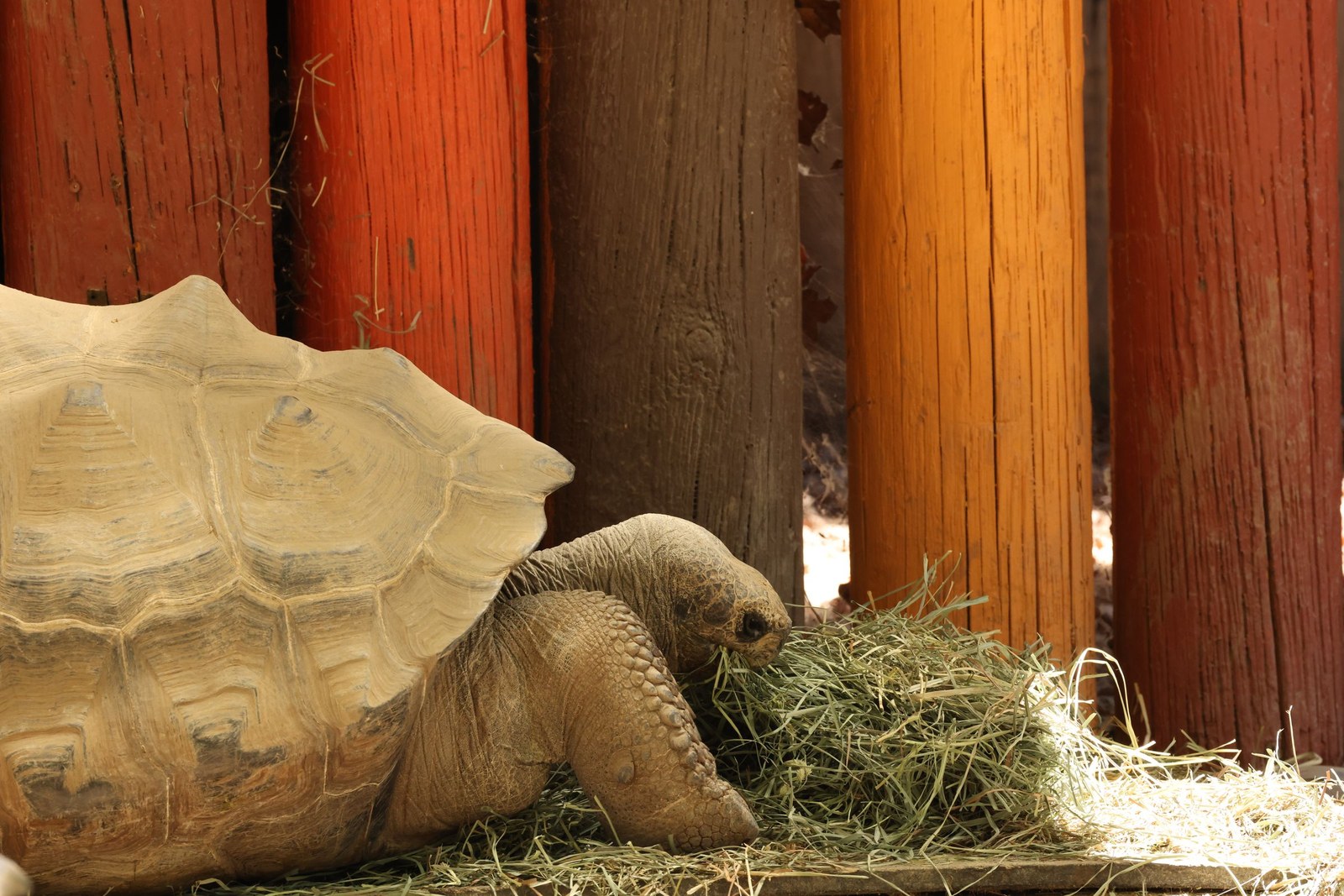
Outdoors suits many tortoises well in the right climate, provided the pen is secure, offering sunshine and shade, a dry shelter, and a cover predators cannot breach. Outdoor time gives natural sunlight, grazing, and space that indoor enclosures struggle to match. But the pen must be built for a surprisingly strong, persistent animal: walls need to be solid, and buried or flared at the base, because tortoises dig and climb at corners better than most new owners expect.
Is Your Climate and Season Suitable?
Outdoor living suits tortoises when daytime temperatures, nighttime lows, and season length match the species' needs. A Mediterranean species like a Hermann's tortoise handles different conditions from a tropical red-footed tortoise that needs more warmth and humidity. In cooler regions, outdoor living may mean a summer pen plus a safe indoor setup for cold months, rather than year-round outdoor housing.
Watch the forecast, not just the calendar. Cold snaps, prolonged rain that floods the pen, and heat waves without deep shade are all hazards. Provide a dry, insulated shelter your tortoise can retreat into, positioned on higher ground so it does not fill with water. If you cannot guarantee safe conditions through a holiday or a cold week, the pen is not ready for unsupervised living yet.
Building a Pen That Holds a Tortoise
Tortoises test boundaries methodically. Walls should be solid rather than see-through — a tortoise that can see beyond the fence will push toward it relentlessly — and tall enough that a standing, stretching tortoise plus piled substrate cannot reach the top. Bury the base or flare it outward underground to defeat digging, and pay special attention to corners, the most common escape point, where tortoises wedge and climb.
Cover the pen with a secure, predator-proof mesh or lid. Dogs, raccoons, and birds of prey are real risks, and neighborhood cats can harass smaller tortoises. The cover also needs to be removable or hinged for your access without leaving gaps. Inside, include grazing turf free of pesticides and fertilizers, edible plants appropriate to the species, a shallow soaking dish sunk level with the ground, hides, and both sunny basking ground and genuine shade throughout the day.
Check the full perimeter weekly and after heavy rain, which softens soil and makes digging easier. A single gap under a gate is an open door to a determined tortoise.
Daily Life and Safety Outdoors
Check your tortoise daily even in a perfect pen — appetite, activity, water, and shelter condition. Remove uneaten perishable foods, keep the soak dish clean, and confirm the shelter stayed dry. Never leave toxic plants within reach; know what is growing in the pen, including weeds that blow in. If you use any lawn treatment nearby, keep your tortoise off treated ground according to product guidance, or better, keep the pen area untreated entirely.
Bring your tortoise in or secure the shelter when severe weather threatens. Microchipping or clear photos of shell patterns can help identification if the worst happens, since individual shell markings are distinctive.
If Your Tortoise Ever Gets Out: Lost Pet Alerts
Escapes happen even to careful owners, and speed matters because a tortoise can blend into garden cover and travel steadily. KinsLe's Lost Pet Alert is free in every profile and shows on the map, so anyone who finds your tortoise can reach you directly through its profile. That combination helps a neighbor who spots your tortoise reach you fast instead of posting vaguely online. Should a tortoise slip out despite those checks, KinsLe's Lost Pet Alert System stays free in its profile, ready for whoever spots the animal to get in touch through that profile.