
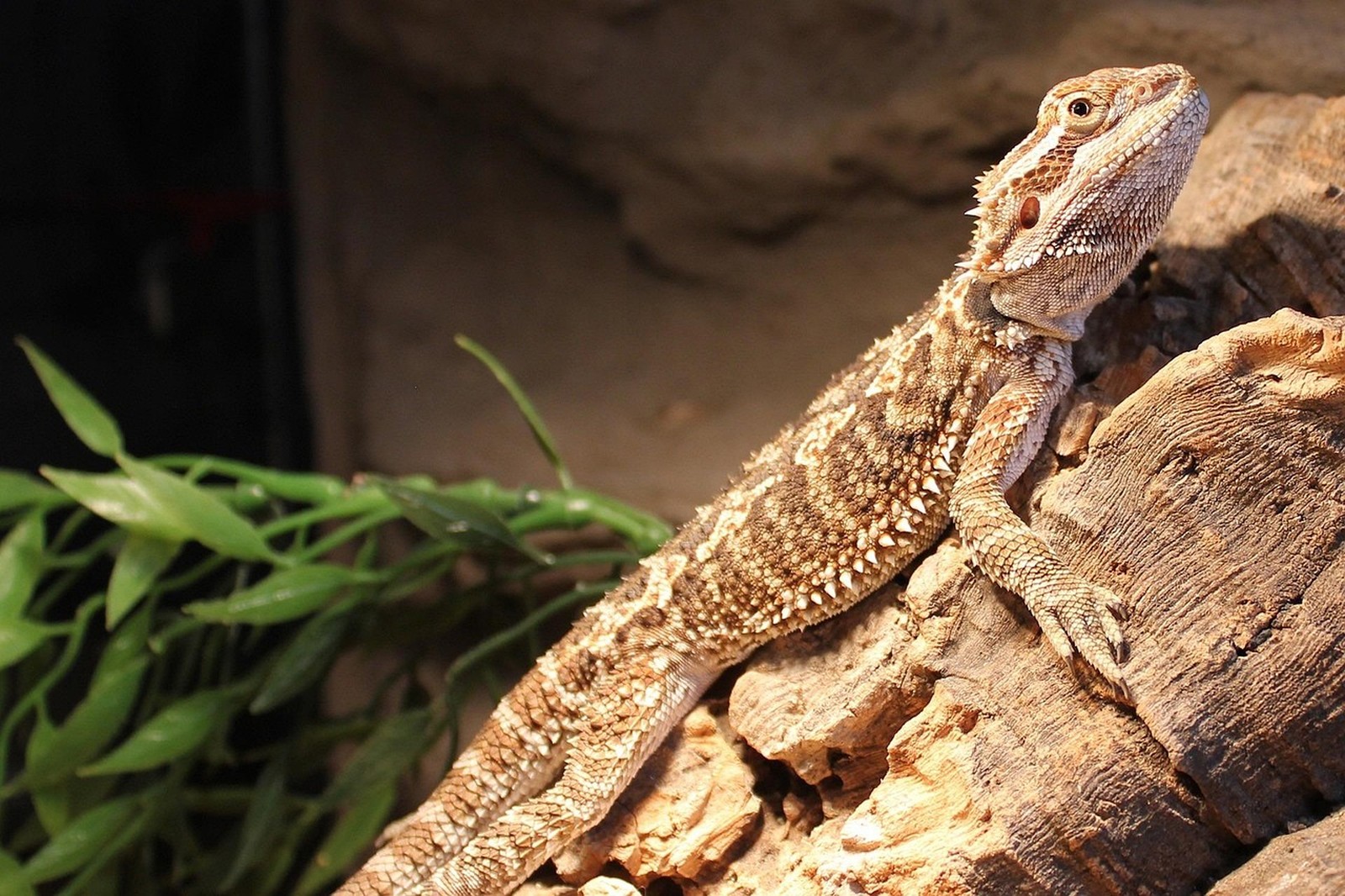
Yes. Daily UVB light is not an upgrade for a bearded dragon or a breeder's preference; it is one of the basic requirements of keeping this species healthy indoors. In the wild, a bearded dragon spends its days under intense Australian sun. Indoors, the UVB tube or bulb over its enclosure is the substitute for that sun, and it has to be there every day, for the full span of the dragon's lit hours, following the same on-and-off rhythm as the rest of the enclosure lighting the dragon wakes and sleeps by, commonly ten to twelve hours of light in each twenty-four.
What UVB Actually Does for the Dragon
The reason is calcium. A bearded dragon cannot use the calcium in its food properly without the vitamin D3 its body makes when its skin is exposed to UVB. Feed a dragon a calcium-rich, carefully dusted diet and then keep it without UVB, and much of that calcium passes through unused. Over time the body draws calcium from the bones instead, and the dragon weakens in ways keepers dread: soft or rubbery jaw, trembling limbs, poor growth in youngsters, and bones that break under ordinary handling. None of that is fixed by adding more calcium to the food, because the missing piece was never the calcium. It was the light that lets the body use it.
This is also why a window does not solve the problem. Glass blocks the UVB wavelengths, so a dragon basking in a sunny patch indoors behind glass is getting warmth and visible light but not the UVB it needs. The enclosure light is the source that counts, and it has to be a proper UVB fitting made for reptiles, set up for this species.
Setup and the Invisible Expiry Date
Follow the maker's guidance when you install the light: the fitting type, the distance between bulb and basking spot, and whether anything sits between the bulb and the dragon all change how much UVB actually reaches the animal. A mesh lid, a bulb mounted too far away, or a tube sized wrong for the enclosure can leave a dragon technically lit and practically deprived, so the basking spot's setup deserves the same care as its temperature.
A plug-in timer is worth using for the whole light setup, because it holds the same on and off times through weekends, trips, and busy mornings when a manual switch gets forgotten. Then mark the date. UVB output fades with use, steadily, while the visible light looks just as bright as the day the bulb was installed. A tube can glow cheerfully for months after it has stopped delivering useful UVB, which means your eyes cannot judge it. Replace the bulb on the maker's stated schedule whether it still lights or not, and write the install date on the fitting or in your care notes the day it goes in. Guessing from memory six months later is how dragons end up under dead bulbs.
A Household Plan for the Light Cycle
Consistency is easier when the job is shared on paper. In KinsLe's Care Teams, the dragon's daily plan can assign Priya the replacement-date watch, checking the written install date against the maker's schedule, and Dan the daily light log, recording the hours the lights run and noting any flicker or failure the same day. Completed checks are time-stamped, so a missed morning shows up immediately instead of at the next health problem. Priya's replacement-date watch and Dan's daily light log both live in the Care Teams plan within KinsLe, keeping the dragon's light cycle steady all year.