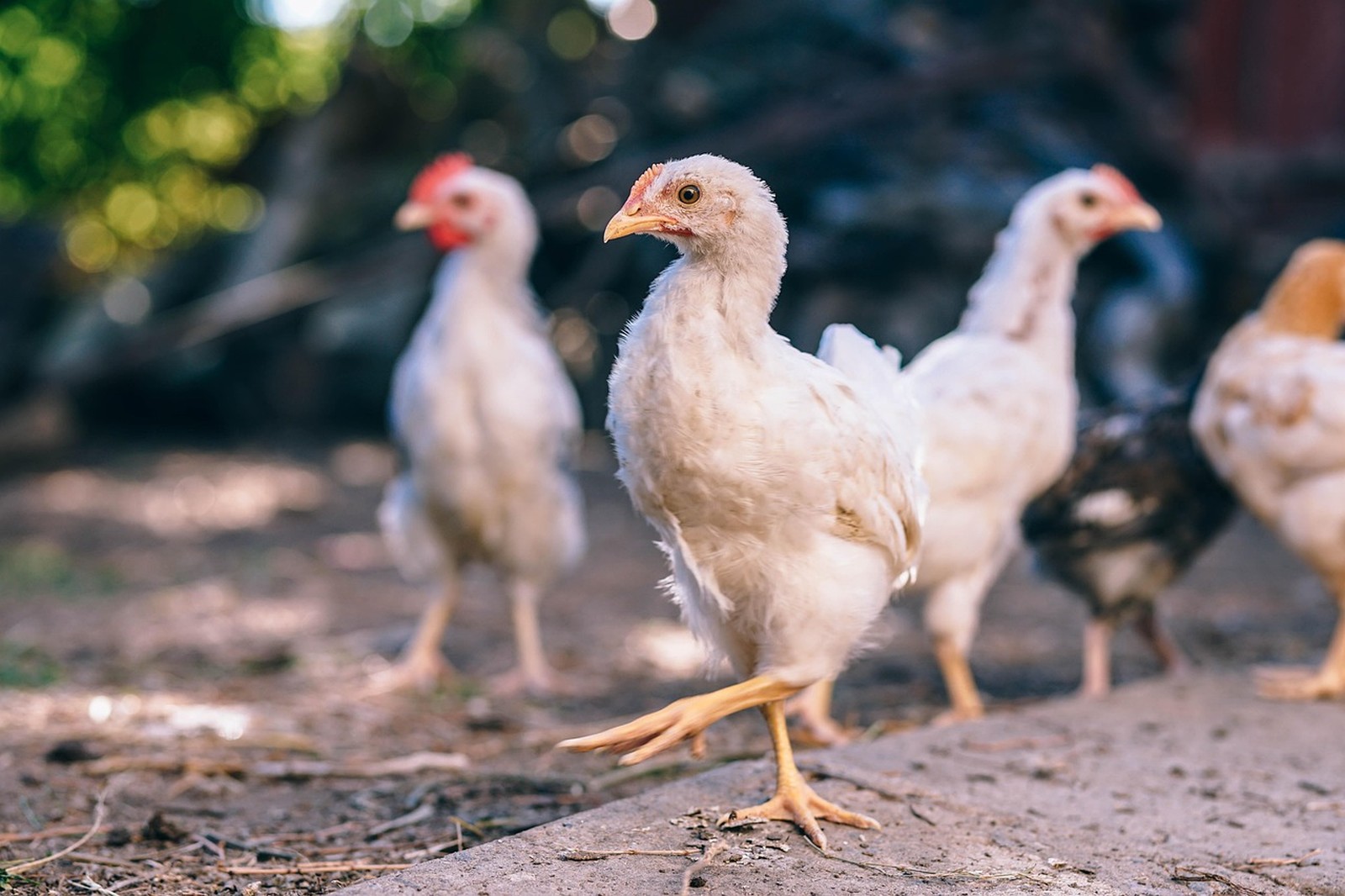
Chickens themselves are not the draw. Rats are drawn to what a poorly managed coop offers for free: spilled pellets and grain, feeders left full after dark, cracked eggs, kitchen scraps scattered on the ground, water, and dry hiding places under a raised floor. A tidy coop in the same garden can stay rat-free for years, while a messy one nearby feeds a colony every night. The difference is housekeeping and proofing, not whether hens are present.
What Rats Are Really After
A rat needs food, water, and cover within a short nightly run. Chicken feed is energy-dense and easy to carry away, and a feeder topped up on the ground lets rats eat without entering the hens' sleeping space at all. Spilled grain worked into damp litter is harder to see and harder still to remove, so small daily spills build into a permanent food store. Fallen fruit, an open compost pile, and pet food left outside add to the same invitation, which is why proofing one coop while ignoring the rest of the plot rarely solves the problem.
Storage and Feeding Rules That Remove the Reward
Keep all feed in a sealed metal bin with a tight lid; rats gnaw through thin plastic and feed sacks quickly. Feed measured amounts in a raised feeder the hens can reach but that limits scratching-out, and take feeders in or close them at night, when rats feed and hens roost. Scatter treats sparingly on clean ground and only in quantities the flock clears within a few minutes, rather than throwing scraps into the run to rot. Collect eggs every day, including any laid in corners of the run, and clear broken eggs and wet litter promptly.
Proofing the Coop and Run
Inspect the coop at ground level, where a rat actually tests it. Fill gaps around doors, pipes, and corners, and cover ventilation openings with strong welded mesh whose holes are too small for a young rat to squeeze through. Raise the coop or fit a solid or meshed base so rats cannot nest unseen underneath, and keep grass, stored timber, and clutter away from the walls so they lose covered routes. A buried mesh skirt around the run helps where digging is a problem, and a concrete or paved base under the busiest feeding area makes spills visible and sweepable. Check the same spots again after rain, when fresh tracks and disturbed soil show whether rats are still travelling through the run at night.
Spotting Activity Early and Responding
Look for smooth dark runs along walls, droppings near the bin, gnawed wood at ground level, burrow entrances with fresh soil, and feed disappearing after dark. A hen flock that becomes restless at night or eggs that vanish without shell remains also deserve a closer look. Start with removing food and cover, proofing entry points, and tidying the wider plot; those steps often end a small problem. If activity continues, contact a licensed pest professional and tell them hens, children, and other animals use the area, so any method chosen is applied safely and legally around livestock.
Good rat control around chickens is a daily habit rather than a one-off purge. Sweep the feeding area, check the bin lid, shut the feeder away, gather the eggs, and glance under the coop as part of the evening round. On KinsLe, Care Teams turns that evening round into named, timestamped tasks for whoever closes up the flock, so feed storage and proofing checks happen every night rather than only when someone remembers.