
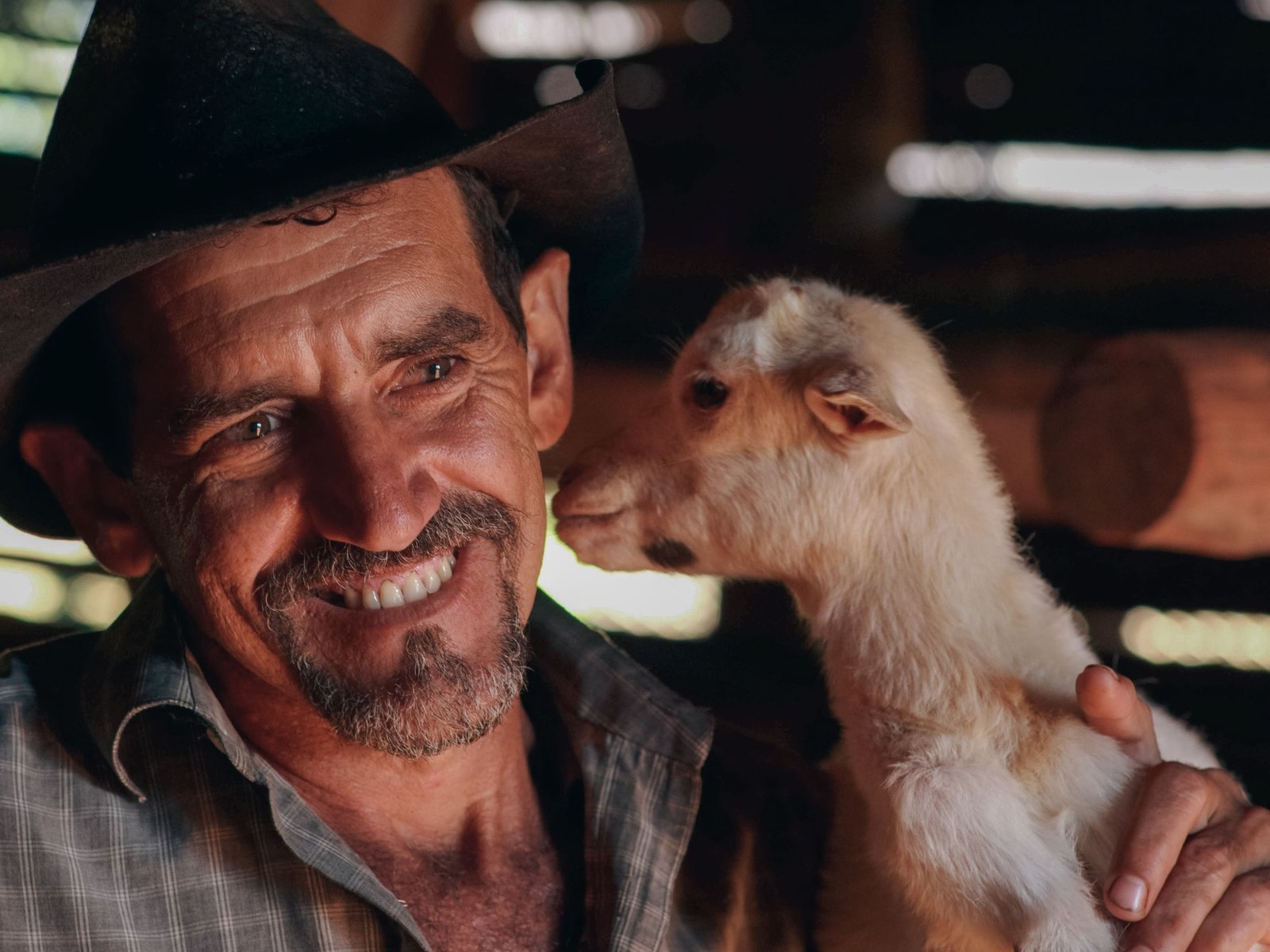
Yes — chickens, goats, pigs, and every other farm animal benefit from a relationship with a veterinarian, and the time to build that relationship is before an emergency, not during one. Not every clinic treats livestock or poultry, so a backyard keeper who waits until a goat is down to start phoning around may find no one willing or able to come.
Why farm animals need their own vet
A large-animal or farm veterinarian does far more than emergency calls. They advise on vaccination programs suited to your region, parasite control based on your pasture and stocking density, and nutrition — the mineral mix a dairy goat needs is not the one a backyard pig needs. They can show you hands-on skills: how to check eyelid color in sheep, how to assess body condition by feel, what normal breathing sounds like. That preventive relationship is what turns a crisis into a managed problem, and in many areas a valid vet-client relationship is also what makes certain medications legally available when an animal needs them.
Finding the right kind of vet
Start by asking local feed stores, extension offices, and neighboring keepers who they use — farm vets are often found by word of mouth rather than advertising. Questions worth asking a practice:
- Which species do you treat — poultry, small ruminants, swine, cattle?
- Do you make farm calls, and how far will you travel?
- What happens after hours if an animal is in trouble at 9 p.m.?
- What do you recommend as a basic vaccination and parasite plan for my setup?
Mobile large-animal practices suit goats, pigs, and cows well. Chickens are trickier: avian vets are scarce, and some owners rely on poultry-savvy small-animal vets or state diagnostic labs. Whatever you arrange, write the number down where anyone feeding up can find it.
What routine vet care actually covers
For goats and sheep, expect discussions about clostridial and tetanus vaccination, parasite monitoring, hoof health, and breeding soundness. Pigs may need vaccination depending on your region and whether they interact with other herds, plus skin and hoof checks. Cattle bring their own schedule of vaccinations and reproductive care. Chickens rarely get individual routine visits, but a vet's input on flock-level disease, respiratory outbreaks, or a sudden drop in laying — and knowing where to send a bird for necropsy if one dies unexpectedly — protects the whole flock, not just one hen.
Know when to call, not just who
Keep a short list on the barn wall: not eating, labored breathing, inability to stand, unproductive straining in labor, severe diarrhea, bloat, or an injury with uncontrolled bleeding all mean call now, not tomorrow. Describe what you see plainly and note when it started — farm vets triage by phone and clear facts help them help you.
A note on cost and planning
Farm calls cost more than office visits, and that is a real budget line to plan for, not a reason to skip care. Many keepers schedule one herd-health visit a year to cover vaccinations, get eyes on every animal, and update their emergency plan — far cheaper than losing animals to a preventable problem. If money is tight, say so; vets would rather build a prioritized plan with you than meet you first at a disaster.
Finding local professionals through KinsLe
KinsLe's Pet Services Directory helps you find vets and other farm-animal professionals — groomers, sitters, and trainers among them — in your local area, so you can build your support team before you need it urgently. The Pet Services Directory listings on KinsLe give backyard keepers a starting point for locating a mobile large-animal practice willing to see goats, pigs, and poultry before an emergency forces the search.