
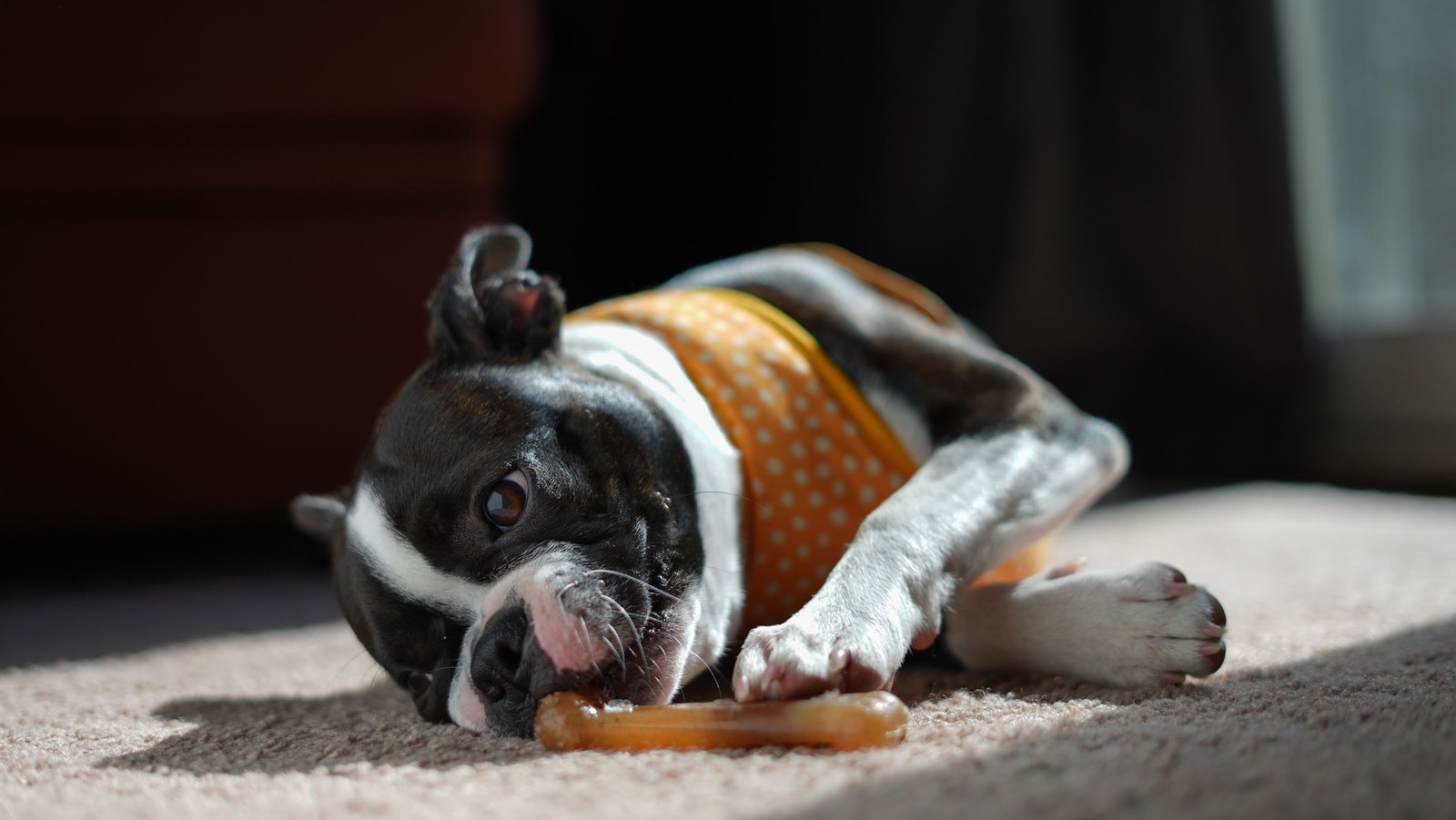
No — dental chews help reduce plaque and can support oral health, especially products carrying a veterinary dental seal, but they do not fully replace brushing, which cleans along the gumline where chews cannot reliably reach.
What Dental Chews Can and Cannot Do
Chewing creates friction against the sides of teeth and can scrape away some soft plaque before it hardens into tartar. Some chews are also formulated to reduce tartar buildup or freshen breath. That makes them a useful backup on days you miss brushing, during travel, or for dogs still learning to accept a brush.
What chews cannot do is clean consistently below and along the gumline, reach every tooth surface evenly, or remove tartar that has already hardened. A dog who gulps a chew in three bites gets very little cleaning action at all. Think of chews the way you would think of chewing gum for yourself: helpful, pleasant, but not a substitute for your own toothbrush and dentist.
Choosing Chews More Wisely
Look for products accepted by the Veterinary Oral Health Council, which awards a seal to products shown to help control plaque or tartar. Match the chew size to your dog — a chew meant for a Chihuahua is a choking risk management problem for a Great Dane who tries to swallow it whole, and an oversized, very hard chew can crack teeth.
Supervise every chewing session. Avoid cooked bones, antlers, and extremely hard nylon or natural products if your dog is an aggressive chewer, because fractured teeth are painful and expensive. Count chew calories in your dog's daily intake too, especially for smaller or weight-prone breeds like Dachshunds and Beagles, and provide fresh water alongside.
Where Brushing Still Wins
Brushing a few times a week with dog toothpaste remains the most effective home care because you direct the bristles exactly where plaque collects: the outer surfaces of the upper back teeth and along the gumline. If full brushing is not yet possible, even a quick wipe with a dental wipe or gauze over those outer surfaces is worthwhile while you build the habit gradually.
Rotation helps too: offering an approved chew a few times a week, rather than relying on the same product every single day, keeps your dog interested and gives different tooth surfaces a chance to be worked as chewing angles change. If your dog loses interest halfway through, trade up to praise and a short play break rather than leaving hard chews unsupervised on the floor. Neither chews nor brushing replace professional care. Once tartar is established, only a veterinary dental cleaning under anesthesia can safely clean below the gumline and allow a full examination of each tooth.
Finding Professional Dental Help
When your veterinarian recommends a professional cleaning, or you need a vet in the first place, KinsLe's Pet Services Directory helps you find local groomers, vets, sitters, and trainers near you. Compare options, call to ask about dental services, and keep the appointment details with your dog's other care notes so follow-ups do not get lost. Pet Services Directory in KinsLe helps owners compare nearby clinics once tartar has hardened and ask whether cleanings under anesthesia and full-mouth exams are offered before booking.