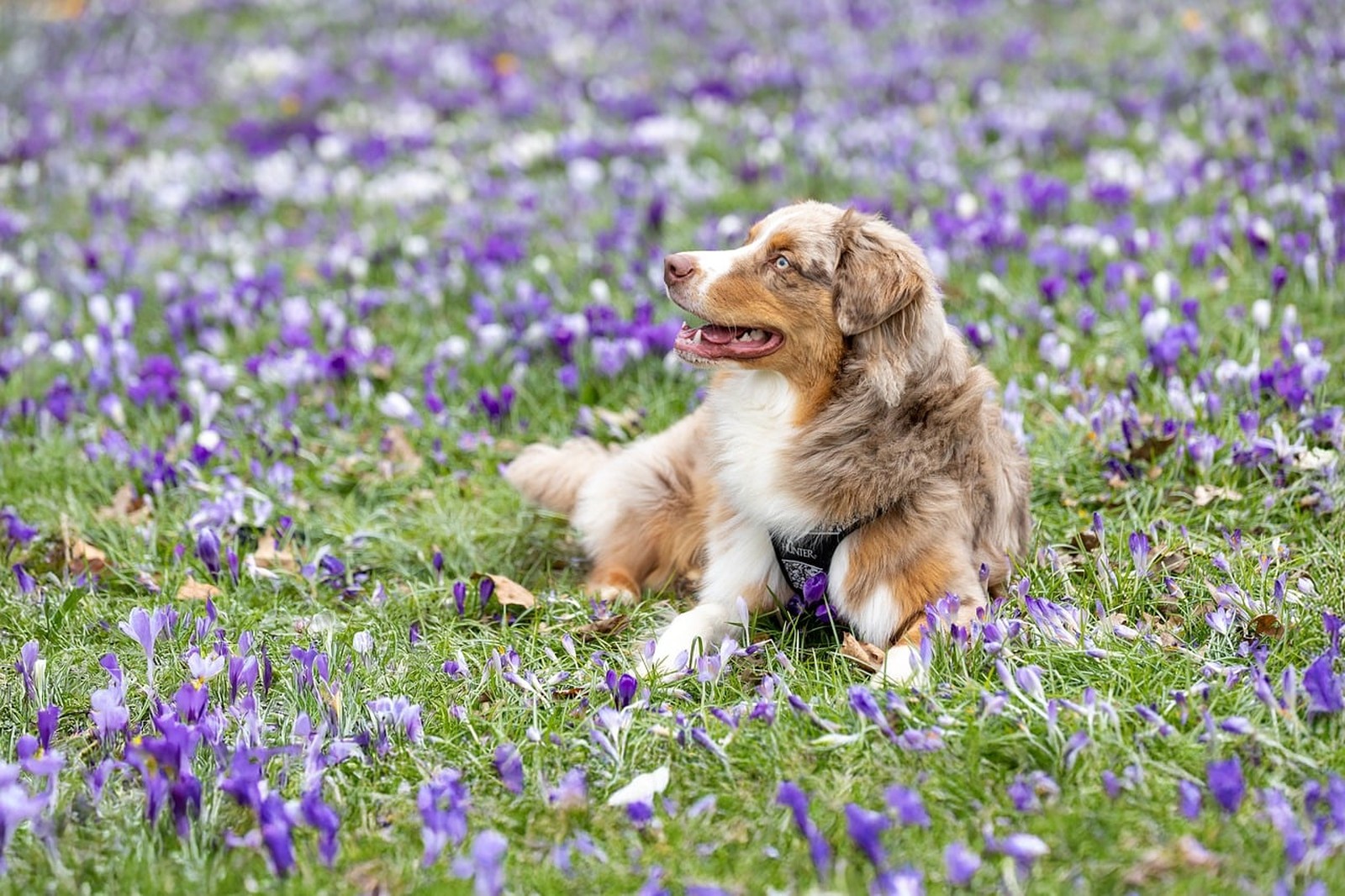
For some dogs, sun protection is a real health need rather than a cosmetic extra. The nose leather, ear tips, eyelids, and any thinly furred or pink skin can sunburn, and the nose is the classic spot on dogs who sunbathe or have pale, unpigmented noses. Use only a pet-specific sunscreen: many human sunscreens contain zinc oxide, which is toxic to dogs if licked off, and dogs will always lick what you put on a nose. Apply it before going out, distract your dog while it soaks in, and reapply after swimming.
Protecting Pale Skin Outdoors
Shade, timing, and clothing do most of the work: keep sun-sensitive dogs out of direct midday sun, give outdoor dogs real shade they can choose, and consider a light sun-shirt for white or thin-coated dogs who are outside a lot. Never shave a double coat down to the skin in summer — that coat is insulation and sun protection at once. If the nose is already pink, crusty, cracked, or has sores that are not healing, that is no longer a sunscreen question: non-healing changes on a nose need a veterinary look, because several skin conditions, including some cancers, first appear exactly there.
Working With Your Vet
For a nose that keeps burning or changing, work in a careful order: watch the skin closely, write down when redness or crusting appeared, and let your veterinarian decide what the change means. Guidance like this can help you judge whether a pink nose is settling or needs an appointment, but only an examination can rule out the skin conditions that start on sun-exposed noses; dated photos between visits show a vet exactly how the surface has changed.
A mild pink nose after one sunny day that settles in 48 hours can be watched; blistering, oozing, persistent crusting, or any sore that does not heal within two weeks should be seen by a vet.
For a sun-sensitive dog, log sunny-day exposure alongside appetite, drinking, toileting, energy and the state of the nose itself, each entry dated. A run of entries can reveal that crusting follows beach days or midday walks, and that pattern gives your vet far more to work with than a worried recollection at the appointment. Look back over those notes after any change in routine — longer walks, a holiday in stronger sun, a new medication — since each can shift what counts as normal for your dog's skin.
At that appointment, your KinsLe Pet Passport presents the exposure log, earlier photos and past vet findings for this dog, all in a single packet.