
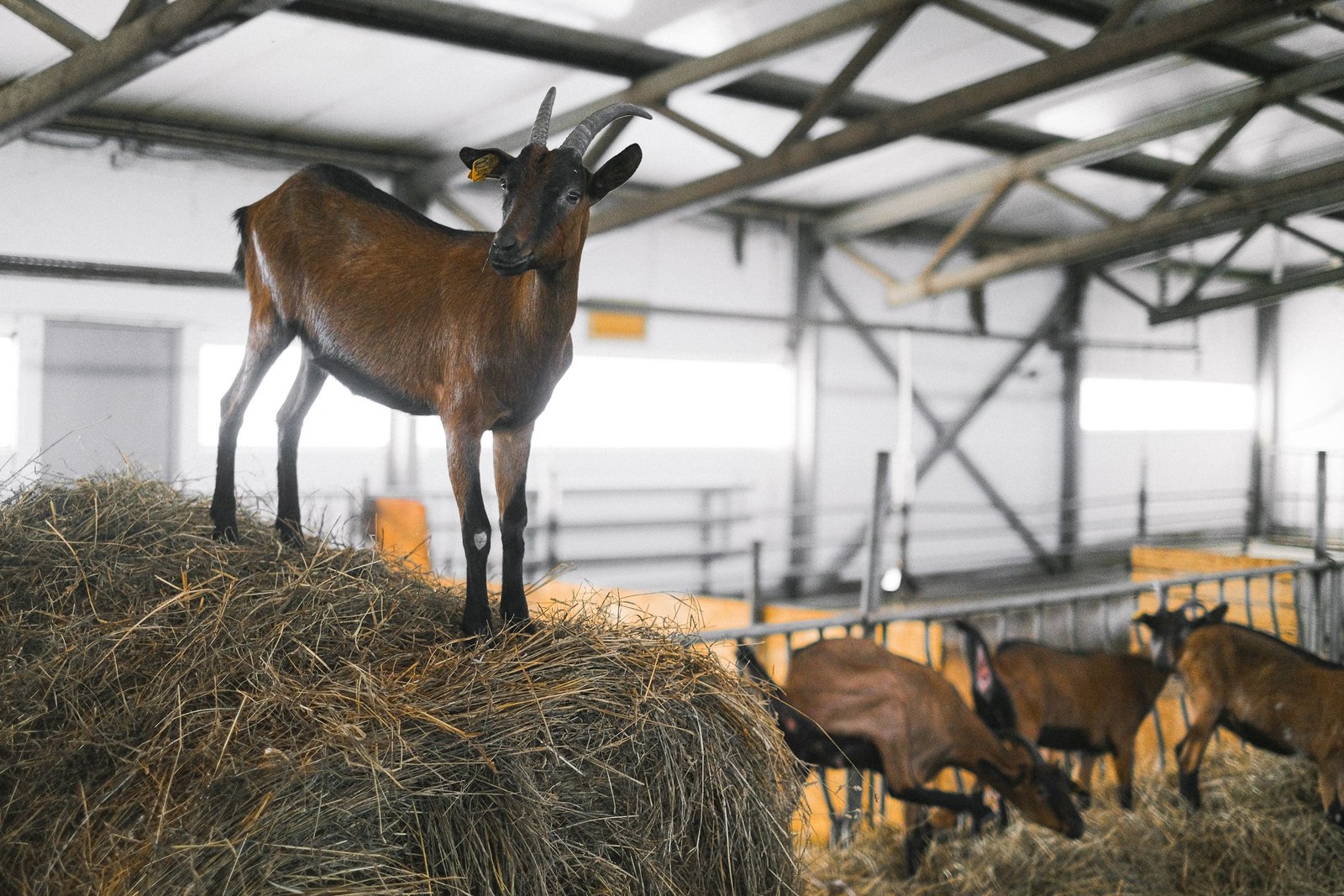
Yes — most farm animals need free-choice minerals and salt formulated for their own species, because pasture and hay alone often fall short on salt, calcium, phosphorus, and trace elements like zinc, selenium, and copper. The key word is species-specific: a mineral that is right for goats or cattle can contain copper levels that are dangerous for sheep, so one shared block for the whole farm is not always safe.
Why Forage Alone Falls Short
Soil varies enormously. Two farms in the same county can grow forage with very different mineral profiles, and the same field changes with season, rainfall, and fertilization. Animals also have higher needs at certain stages — growth, late pregnancy, and lactation all draw harder on mineral stores.
Deficiencies rarely announce themselves with a clear label. Poor coat, weak immunity, low fertility, slow growth, and fragile bones or poor milk can all have nutritional contributors among many other causes. That is why routine provision matters more than waiting for symptoms, and why persistent problems deserve veterinary and nutritional investigation rather than guesswork and extra supplements.
Salt deserves its own mention. Most livestock crave salt and need it daily, and providing it encourages animals to take in the other minerals blended with it. Plain salt alone, though, does not cover trace minerals, so a complete mineral product is the usual answer.
Matching the Mineral to the Species
Buy minerals labeled for the animal who will eat them, and keep them separate by pen:
- Sheep: Choose sheep-specific minerals with low or no added copper. Sheep accumulate copper easily, and excess can be toxic — this is the most important mineral safety rule on a mixed farm.
- Goats: Goats generally need copper at levels closer to cattle, plus balanced zinc and selenium within labelled limits. Goat-specific loose minerals are widely available.
- Cattle: All-purpose cattle minerals are formulated by season and forage type, including options for grass tetany risk periods where magnesium matters — ask your veterinarian or extension what fits your herd.
- Horses and pigs: Each has dedicated products; do not assume a cattle mineral suits them.
More is not better. Follow label directions, do not stack multiple fortified products and supplements without advice, and keep minerals dry — a rain-soaked, caked feeder is one animals will simply stop using. Loose minerals in a covered feeder are often consumed more consistently than hard blocks alone, though blocks can be a useful backup.
Setting Up Free-Choice Access Safely
Place mineral feeders where animals pass daily, near water but not so close they foul it, and shelter them from rain. Check them weekly: refill before they run empty, break up caked product, and note which pen is using more than usual — a sudden spike can mean another feed source changed, or animals are simply catching up after an empty feeder.
Keeping Mineral Instructions Straight With KinsLe
The mix-up risk is real when several pens and several helpers are involved: the sheep feeder filled from the goat bag is an easy, dangerous mistake. KinsLe Messenger is the per-pet communications hub, and you can note which mineral goes to which pen so the whole care circle sees the same instruction in one thread tied to the animals, not buried in scattered texts.
A quick message — sheep mineral in the blue bin, goat mineral in the red — next to the animals' profiles keeps new helpers from improvising. The KinsLe Messenger thread for each pen, kept inside KinsLe, gives relief feeders one unmistakable place to confirm which bag belongs in that pen before pouring.