
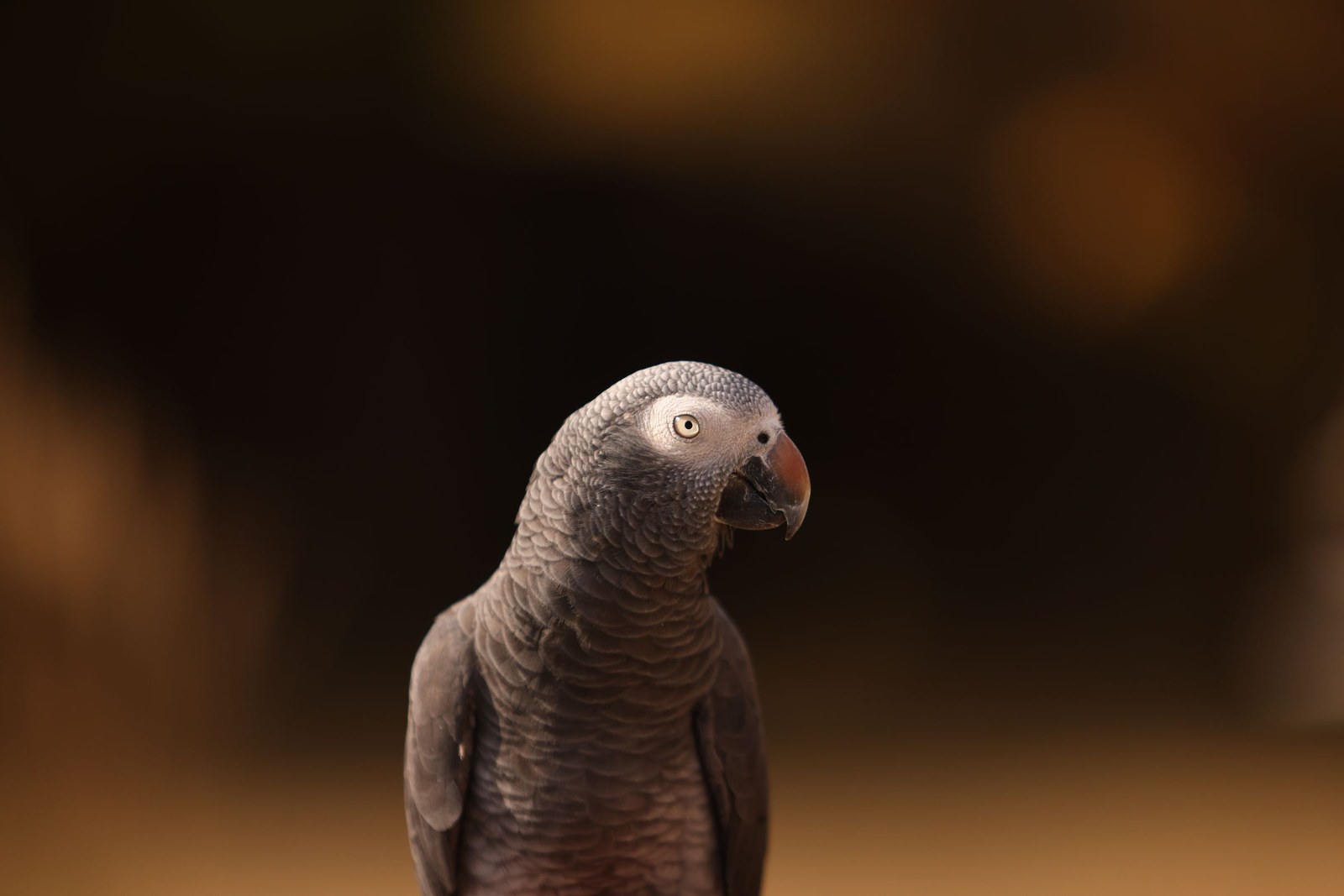
Many pet birds do benefit from an extra calcium source, and egg-laying females need it most of all, because forming each eggshell draws heavily on the calcium stored in the body. Cuttlebone, mineral blocks, and calcium-rich leafy greens are the common everyday options, but the right approach for your individual bird is a question for an avian vet.
Why Calcium Matters So Much for Birds
Calcium does far more than build eggshells: it underpins strong bones, muscle function, and nerve signaling. The problem is the typical pet-bird diet — plain seed mixes are naturally low in calcium and carry an excess of phosphorus, which further interferes with calcium use. Vitamin D is part of the same picture, since birds need it to absorb calcium properly; unfiltered natural light is one way birds produce it, which is why keepers pay attention to light as well as food. Pellets are formulated with this balance in mind, another reason they make a better base diet than seed alone.
Everyday Calcium Sources Owners Use
- Cuttlebone — the classic: self-serve calcium plus beak exercise, hung where the bird can reach it
- Mineral blocks — a similar slow-release option some birds prefer
- Dark leafy greens — kale, bok choy, and broccoli contribute calcium in a natural food form
- Crushed, baked eggshell — a traditional supplement for laying hens, offered in tiny amounts in a separate dish
- A quality pellet base — quietly covers much of the daily requirement on its own
Variety matters more than any single product: a bird who ignores a cuttlebone may happily work through greens.
Birds Who Need It Most
Laying females top the list — pet cockatiels are famous for chronic egg-laying that steadily drains their reserves. Growing youngsters building skeletons need reliable calcium too. Some species carry a particular reputation: African grey parrots, for example, are known to be prone to low blood calcium, so grey owners are wise to discuss monitoring with their vet. Birds converting from an all-seed diet often need the most support during the changeover itself.
Signs Worth a Vet Visit
Soft-shelled, thin-shelled, or shell-less eggs are a clear signal to call your avian vet. So are weakness, trembling, loss of balance, or a hen straining and sitting fluffed on the cage floor — a bird who appears to be struggling to lay should be treated as an emergency and seen the same day. Skip home remedies and dosing experiments; calcium problems sit close to several serious conditions, and the vet can test rather than guess. This is general guidance only — your bird's vet knows its history.
Tracking Supplements and Vet Advice in One Place
Calcium advice is useless if it lives in a forgotten appointment card. KinsLe's Pet Passport is your bird's records packet — vaccines, medications, allergies, and documents in one place — so you can log which supplements you offer, note the vet's guidance from each visit, and share the whole picture with a sitter or a new vet in seconds. Good records turn one-off advice into a real care plan. Pet Passport on KinsLe stores the cuttlebone choice, any supplement changes, and each avian vet's calcium recommendation beside the rest of that bird's health history.