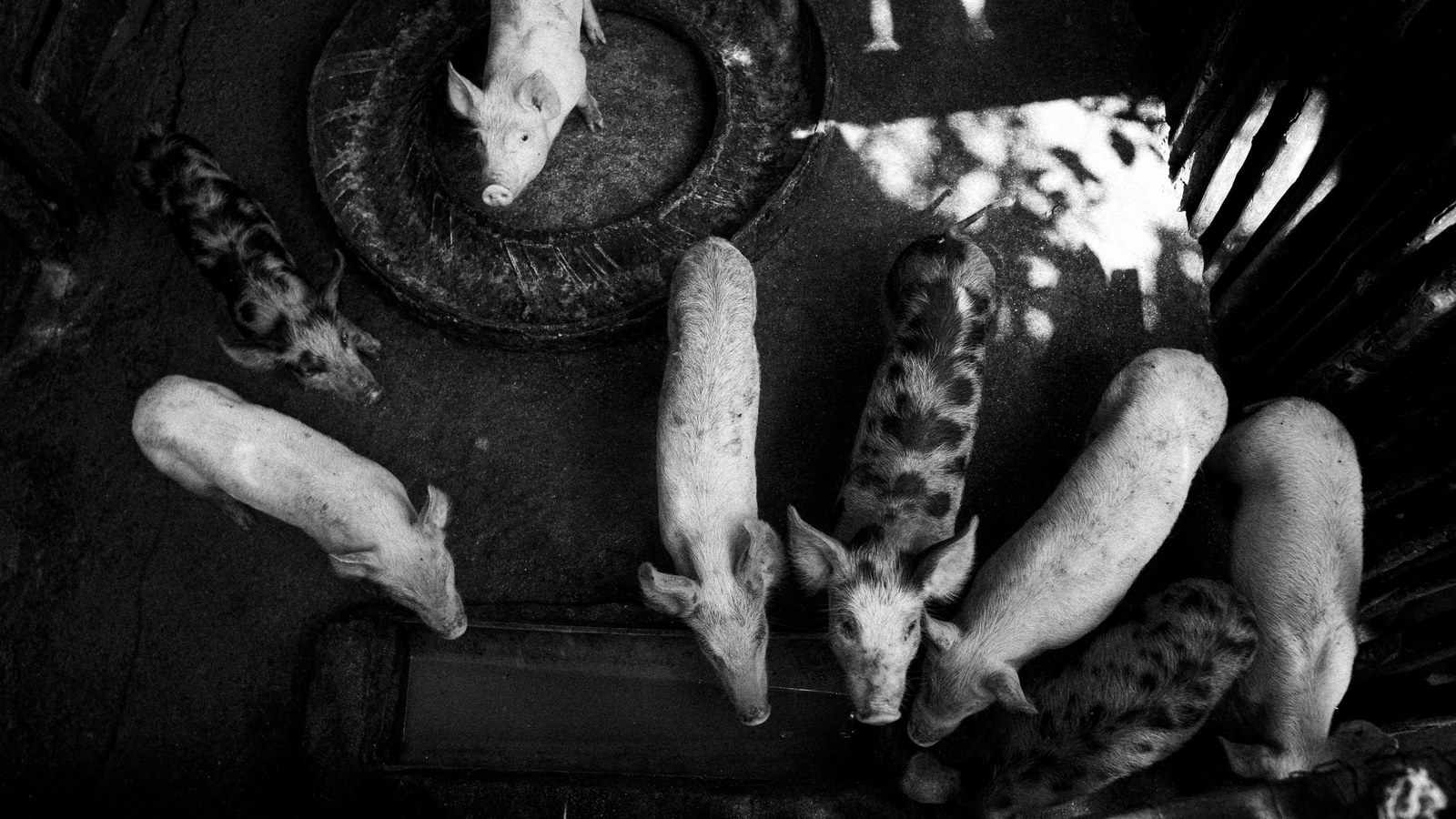
Pigs do need proper pig food — a balanced commercial feed formulated for their age and purpose should be the core of the diet. Kitchen and garden scraps can be an occasional supplement, but they cannot replace formulated feed, and some scraps are unsafe or even illegal to feed depending on where you live. Relying on scraps alone is the fastest route to a pig that is both overweight and undernourished.
Why Formulated Feed Comes First
Pigs grow fast and efficiently, and that growth needs the right balance of protein, energy, amino acids, vitamins, and minerals. Commercial feeds are made for distinct stages: starter for young piglets, grower for young pigs putting on frame and muscle, finisher for pigs nearing market weight, and sow or maintenance formulas for breeding and adult pet pigs. Each stage has a different protein and energy level on purpose.
A potbellied or pet pig needs a very different plan from a market hog. Pet pigs are prone to obesity, so they usually do best on a measured maintenance or potbelly-specific ration, plenty of low-starch vegetables, and strict limits on fruit, bread, and table food. If you are unsure which formula fits your pig, your veterinarian or feed dealer can match a product to age, breed, and goal.
As a rough routine, feed measured meals once or twice a day rather than leaving rich feed out continuously for pigs who overeat, provide constant clean water, and adjust portions by body condition — you should be able to feel ribs with firm pressure, not see them sharply and not lose them under fat.
What Scraps Are Safe — and What Are Not
Small amounts of fresh produce can enrich a pig's diet and day: leafy greens, squash, cucumbers, root vegetable trimmings, and plain cooked vegetables are popular choices. Wash produce, chop large pieces for smaller pigs, and introduce anything new in small amounts.
Never feed:
- Meat or scraps that have touched meat, where swill feeding is restricted — and avoid it entirely to be safe
- Moldy, spoiled, or fermented food
- Very salty foods, raw potato peelings in quantity, avocado, chocolate, or dog and cat food
- Anything treated with pesticides or pulled from a compost pile of unknown contents
Laws on feeding food waste to pigs exist because diseases can spread through meat scraps, and they vary by state and country. Check your local rules before making scraps a habit, and when in doubt, compost the scraps and feed the pig properly.
Water, Rooting, and Enrichment
Pigs need abundant fresh water every day, in a heavy trough they cannot tip. Scattering part of a measured meal in clean bedding adds enrichment without extra calories.
Watch for rapid weight gain, limping, skin problems, or loss of appetite, and involve your veterinarian early — pigs hide discomfort well, and nutrition questions are much easier to adjust before they become health problems.
Keeping Pig Feeding Steady With KinsLe
Young pigs grow so quickly that the right portion this month is wrong next month. When a monthly portion change is due, you can ask the built-in AI assistant, Kinny, in KinsLe whether it is time to weigh your pigs, check body condition, or switch from grower to the next feed stage. Kinny's replies draw on the KinsLe Answers library, so each answer stays tied to stage-based feeding rather than guesswork in a busy week.
Keep a written note of which feed is current, and anyone helping you feeds the right bag in the right amount. Kinny on KinsLe can answer follow-up questions about safe scraps and stage-based pig rations, drawing on the KinsLe Answers library.