
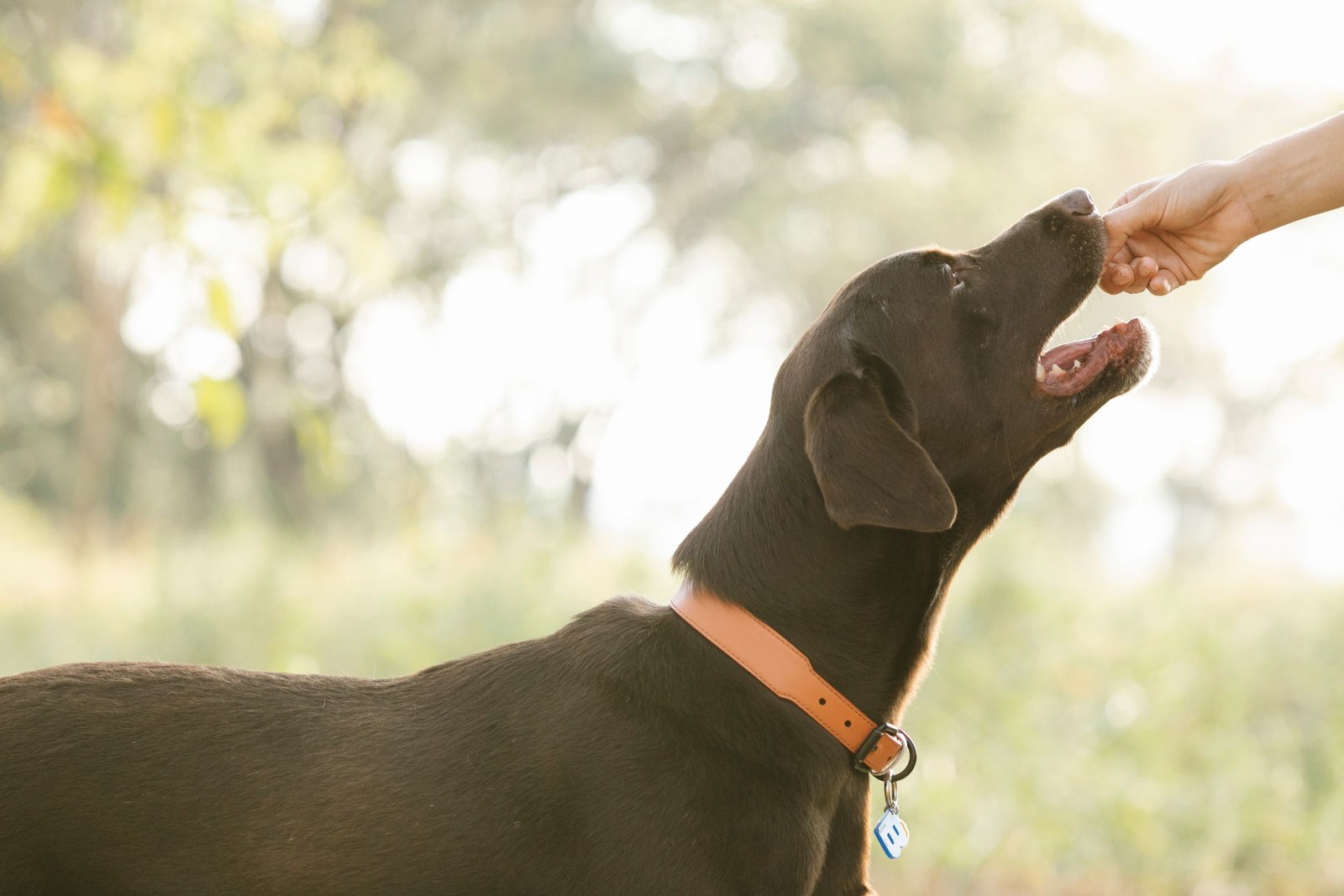
Yes — treats absolutely can make a difference to your dog's weight, often more than the main meals do. A few biscuits from you, a chew from your partner, training treats from the kids, and a spoonful of dinner from the table can quietly add up to a second meal, especially for a small dog where one chew is a large share of the day's needs.
Why treats add up so fast
Dog treats are designed to be delicious, which usually means calorie-dense. Dental chews, pig ears, cheese cubes, peanut butter in a toy, and food toppers all count, even when they feel too small or too virtuous to matter. The tricky part is social: treating is bonding, training, and guilt relief all at once, so no one person sees the total.
Do a one-day audit. Put a jar on the counter and drop in a duplicate of every treat given that day — or write each one on a note. Most families are genuinely surprised by the pile by evening. For a toy breed like a Chihuahua or Yorkie, that pile can matter enormously; for a Labrador, who is famously always ready to eat, it explains the slow creep.
Smarter treating without ending the fun
You do not need to ban treats. You need to budget them:
- Reserve part of your dog's normal measured food for training rewards, so practice does not add calories.
- Break soft treats into pea-sized pieces — dogs care more about frequency than size.
- Swap some rewards for dog-safe vegetables your veterinarian approves, such as small pieces of carrot or green bean, if your dog enjoys them.
- Keep one treat spot and one simple routine, so extras stay visible instead of appearing from every pocket and drawer.
- Use play, sniffing, and praise as rewards for easy, known behaviors, and save food for harder training.
Check labels for calories per treat where listed, and ask your veterinarian what share of the day treats should be for your dog specifically.
Training, kids, and the multi-person problem
Short training sessions are wonderful, but a session built on fifty full biscuits is a meal in disguise. Use tiny rewards, end on a win, and count the session in the day's total. With children, agree on a daily treat allowance in a small pot — when it is empty, rewards become games and strokes. That rule protects the dog and removes the daily negotiation.
If weight is already a concern, tell anyone who feeds your dog — walkers, grandparents, neighbors who offer biscuits over the fence. People are usually happy to help once they know.
When treats are a symptom, not the cause
If you have cut treats, measured meals, and your dog is still gaining, or is ravenous, losing hair, or low on energy, do not just restrict harder. Book a veterinarian visit. Treat maths explains many cases, but it should never be used to dismiss a change that needs a medical look.
Sharing your dog's profile with KinsLe Family Sharing
The reason treats multiply is that each person only sees their own kindness. That is why the morning biscuit, the training treats, and the evening chew stack up so quietly in a busy house. When you share that profile through Family Sharing in KinsLe, relatives you have picked can open it for themselves.