
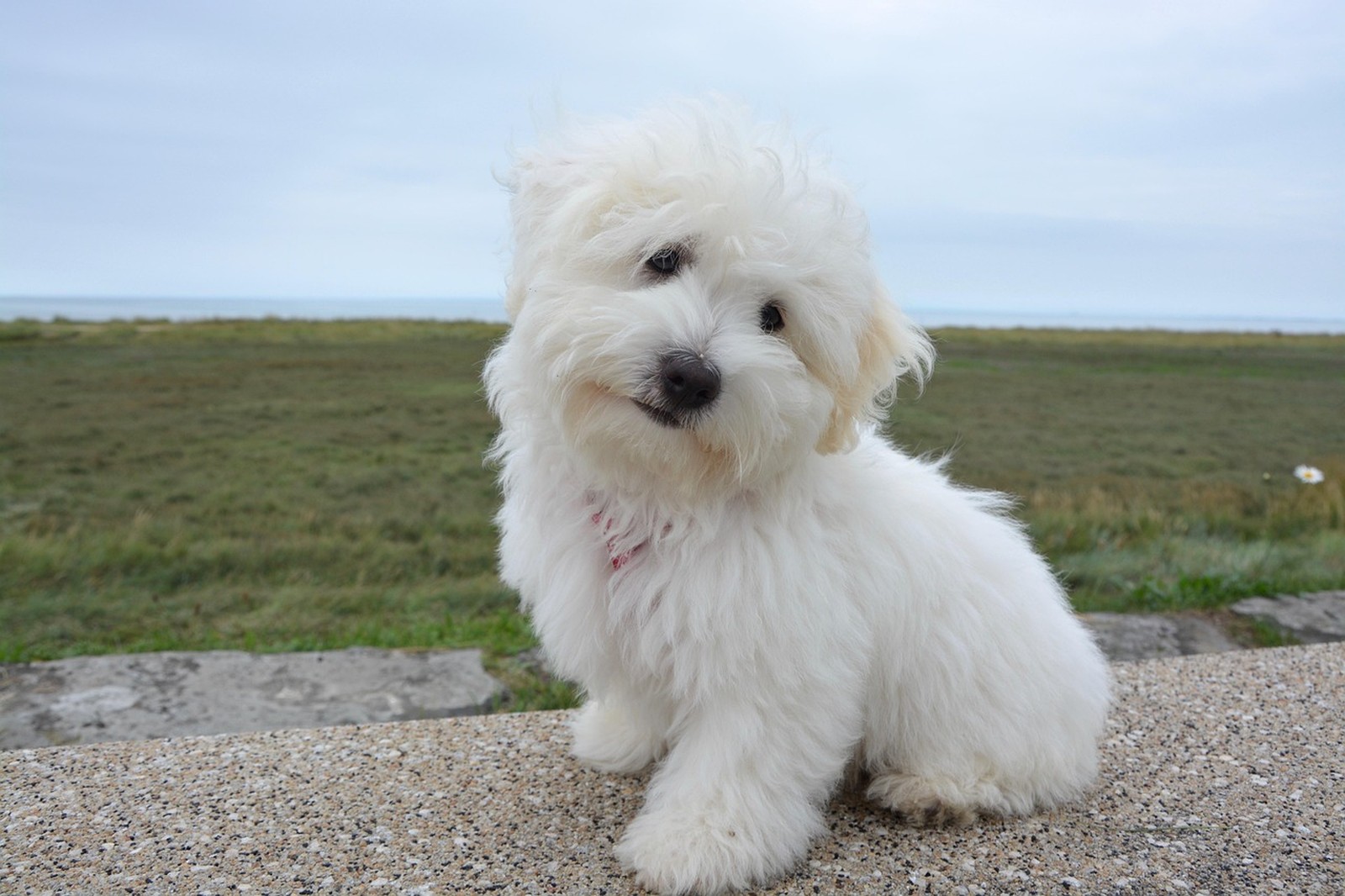
Short answer: yes — the risk is his size and his innocence
A Coton de Tulear does need a securely fenced yard, though he is one of the least likely escape artists you will ever own. The Coton is Madagascar's companion breed, a small dog in a cloud of soft, cotton-like coat, developed to be a devoted household friend rather than a worker with a job outdoors. He has little roaming instinct and usually wants to be wherever his people are. The danger is different: he is small enough to fit through gaps that are invisible problems for larger dogs, and he approaches the world — including strange dogs and open streets — with a trust that the world has not earned.
So the fence here is less about defeating determination and more about closing accidents before a curious, friendly little dog wanders through one.
Where a Coton's risk really comes from
Playfulness and chase are the usual triggers. Cotons are famously clownish and lively, and a butterfly, a leaf skittering in wind, or a bird on the lawn can pull one into a gleeful pursuit that ends wherever the pursuit ends — potentially through the space under the gate. Greeting is the other trigger: a Coton who hears a friendly voice or sees another dog at the fence may squeeze toward them simply to say hello.
His build defines the engineering. At well under a foot and a half at the shoulder, light-bodied beneath that dramatic coat, a Coton can use openings a medium dog cannot — picket spacing, the gap beside a gate post, the hollow under a fence on a slope. He is not a notable digger or climber, which keeps the specification simple, but he is small enough that predators, loose aggressive dogs, and traffic all become serious threats within moments of an escape, and friendly enough that a stranger could simply pick him up and walk away.
A fence measured in inches, not feet
Inspect the boundary at Coton height. The under-gate gap is the classic failure, followed by spacing between pickets and the openings where fencing meets a wall, a deck, or garden steps. Add mesh or a solid kick board along any stretch where the gap approaches his shoulder width, and confirm the bottom of the fence follows slopes and dips in the ground rather than bridging over them.
Height can stay modest; a Coton is not scaling a sound fence. Spend the effort instead on the latch habit — a gate that is always pulled fully closed — and on checking the line after gardening, storms, or deliveries, when temporary openings appear. Inside the yard, keep play engaging, because a Coton amusing himself near the fence is a Coton drifting toward its gaps, while a Coton playing with you is exactly where he wants to be anyway.
Supervision suits this breed best
Cotons were bred for companionship above all, and most are happiest when yard time is shared time. Leaving one alone outside for long stretches invites loneliness-driven mischief as well as exposure to the risks his size creates. Short, frequent, accompanied outings fit the breed far better than long solo sessions behind even a perfect fence.
Keep his identification current as the final safeguard, since the realistic escape is a thirty-second accident through a gap nobody had noticed yet, and in that event KinsLe's Lost Pet Alert System can notify nearby Circle of Love members for free, letting whoever scoops him up message you directly.