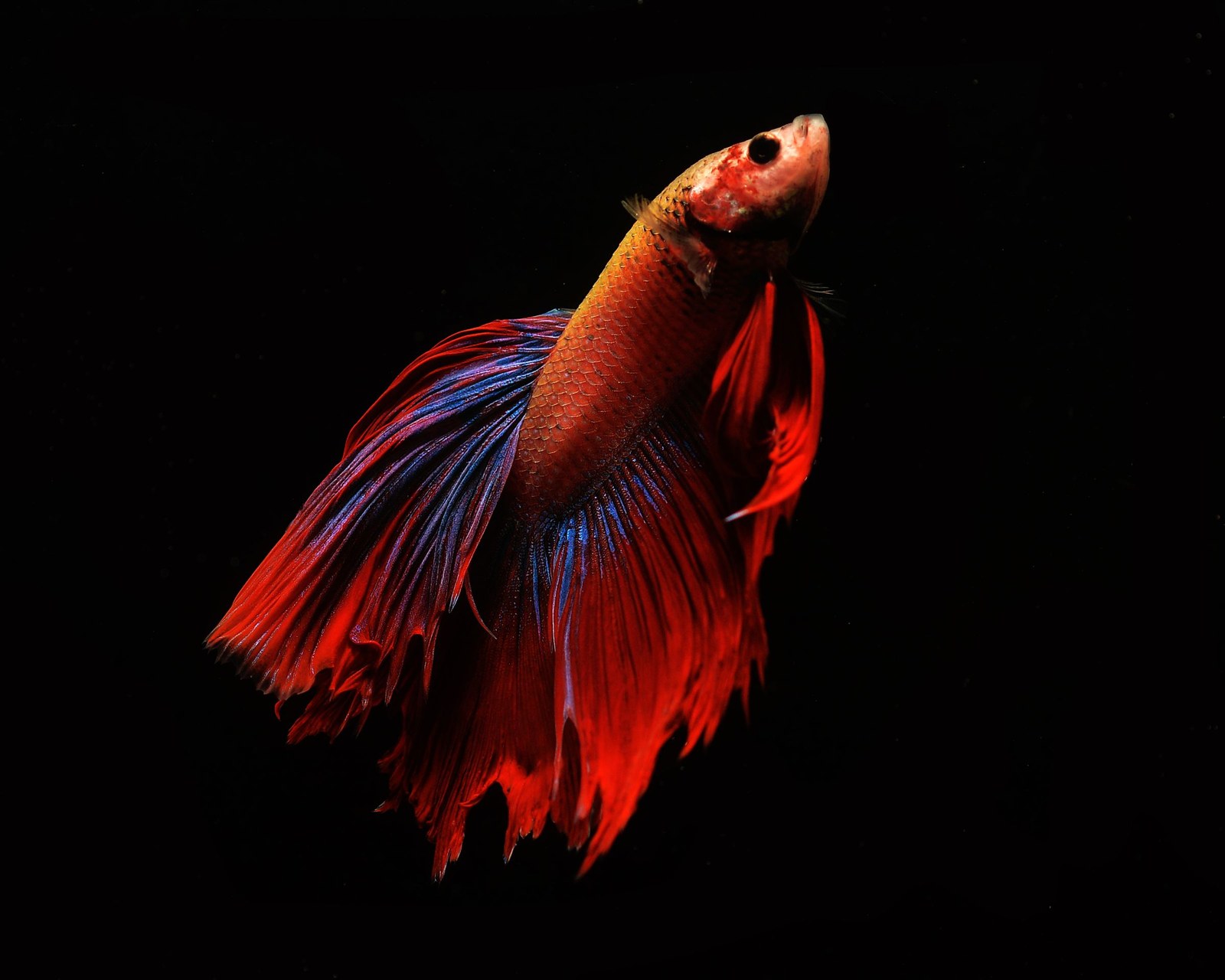
The Direct Answer: Yes, Get a Heater
Yes — in most homes, a betta fish really does need a small heater. Bettas are tropical fish, native to the warm, shallow waters of Southeast Asia, and they are healthiest when their water holds steady in the mid-to-upper 70s Fahrenheit. A room that feels comfortable to you can still dip into the high 60s overnight or during cold snaps, and those dips — plus the daily swing between day and night — are exactly what a heater prevents. Stable warmth is the single biggest factor behind an active, brightly colored betta with a healthy appetite.
Why Warm, Stable Water Matters
Fish are cold-blooded, which means their metabolism runs at the temperature of the water around them. When a betta’s water runs cool, everything slows down: digestion, activity, and immune function. A cold betta often hides, clamps its fins, eats less, and becomes far more vulnerable to common ailments like fin rot and ich. Even more stressful than cool water is changing water — a tank that swings five degrees between afternoon and morning forces your betta to constantly re-acclimate, and chronic stress like that wears down immunity over time. A heater’s real job isn’t just warmth; it’s consistency.
Choosing the Right Heater for a Betta Tank
Bettas usually live in tanks of five to ten gallons, and that smaller water volume is actually more prone to temperature swings — so the heater matters even more in a compact setup. A good rule of thumb is about five watts per gallon, so a 25-watt heater suits a five-gallon tank and a 50-watt heater covers a ten-gallon. Look for an adjustable heater with a built-in thermostat rather than a preset one, because adjustability lets you dial in the sweet spot and react if your room runs unusually warm or cold. Submersible models placed near gentle water flow distribute heat most evenly, and a small stick-on thermometer on the opposite side of the tank lets you verify the temperature where your betta actually swims.
Heater Safety Basics Worth Knowing
A heater is simple equipment, but it deserves a little respect. Always unplug it before reaching into the tank or doing water changes, since exposed heating elements can crack or burn out if they heat in air. Let a new heater sit submerged and unplugged for 15–20 minutes so the glass and thermostat acclimate to water temperature before you power it on — this prevents thermal shock to the unit. Keep the cord routed with a drip loop so water can’t travel down the cable into the outlet, and glance at your thermometer daily; a heater that sticks “on” is rare but serious, and catching a climbing temperature early is what saves fish. During summer heatwaves, remember that a heater can’t cool a tank — moving the tank away from windows and direct sun does more than any gadget.
Kinny Keeps Your Routine on Track
Daily habits are what keep a tropical tank stable, and KinsLe’s Kinny is the built-in AI assistant that helps you keep them. Kinny can send you gentle nudges to glance at your betta’s thermometer each morning, remind you when seasonal weather shifts mean re-checking the heater setting, and keep your feeding and water-change routine steady alongside temperature checks. Little reminders beat big rescues — a betta in warm, stable water is simply a happier fish.
Kinny on KinsLe will take follow-up questions about heater wattage, thermometer placement, or heatwave worries, drawing its replies from KinsLe Answers material written for tropical fish.