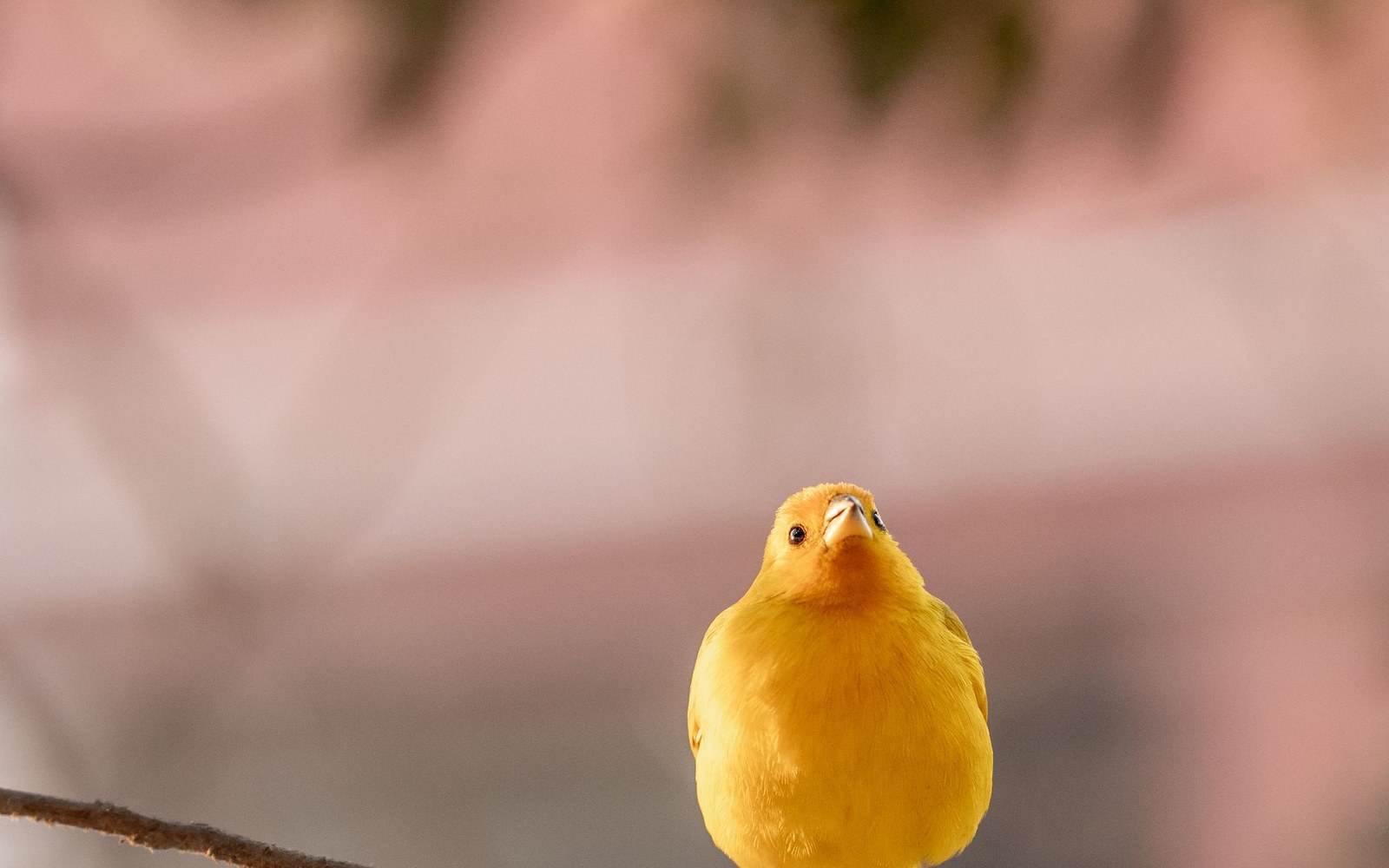
A cuttlebone is not strictly required, but it is a genuinely helpful extra for a canary, and most experienced keepers recommend offering one. It provides calcium — a mineral seed-based diets are short on — and gives your bird a natural surface to nibble and rub against, which helps keep the beak trimmed and in good condition.
What a Cuttlebone Actually Does
The cuttlebone is the internal shell of the cuttlefish, a lightweight, chalky structure made largely of calcium carbonate. When your canary scrapes its beak along the textured surface, two things happen at once: tiny amounts of calcium are taken in, and the beak's tip is worn down smoothly, the way wild birds wear theirs on bark and stone. It doubles as enrichment, too — a canary who spends ten minutes working a cuttlebone is a canary engaged with its environment, not staring at the bars.
How to Offer It Properly
Mount the cuttlebone with a holder or clip so it sits vertically against the cage bars beside a favorite perch, where your bird can reach it comfortably. Most canaries nibble the softer, ridged side. Keep it dry — a cuttlebone hung low under a water dish gets splashed and soiled quickly. If your bird ignores it at first, do not give up: scrape a little cuttlebone powder over soft food or egg food so the taste registers, and leave the bone in place; curiosity usually wins over a few weeks.
Canaries Who Need the Calcium Most
Egg-laying females draw heavily on calcium to form shells, and a hen coming into breeding condition is the canary most likely to work a cuttlebone hard. Growing youngsters and birds on an all-seed diet also benefit. Other sources can sit alongside the cuttlebone — a mineral block, dark leafy greens like kale and bok choy, and the natural light your bird gets all play supporting roles. If your hen ever produces soft or shell-less eggs, or seems weak or fluffed, skip home fixes and talk to an avian vet promptly, because calcium problems can become urgent.
When to Replace It
A cuttlebone is a consumable, not a decoration. Replace it when it is nibbled down to a thin sliver, when the surface is heavily soiled, or when it has hung untouched and dusty for a couple of months — a fresh, clean surface invites use. Check it during your weekly cage clean; the job takes ten seconds once it is part of the routine. Discard a bone that smells off or has gotten wet and stayed damp.
Small Jobs Are Easy to Forget
Nothing about a cuttlebone is difficult — the only failure mode is forgetting it exists for three months at the back of the cage. KinsLe's Kimmy, the built-in AI assistant, can nudge you about exactly these little upkeep jobs, from checking the cuttlebone to refreshing mineral blocks, so small tasks get done on time instead of eventually. A canary's needs are modest; meeting them consistently is the whole craft. Kimmy within KinsLe is there for the follow-up questions a cuttlebone raises — which side faces out, when a sliver counts as spent — and its replies come from the Answers collection maintained for bird keepers.