
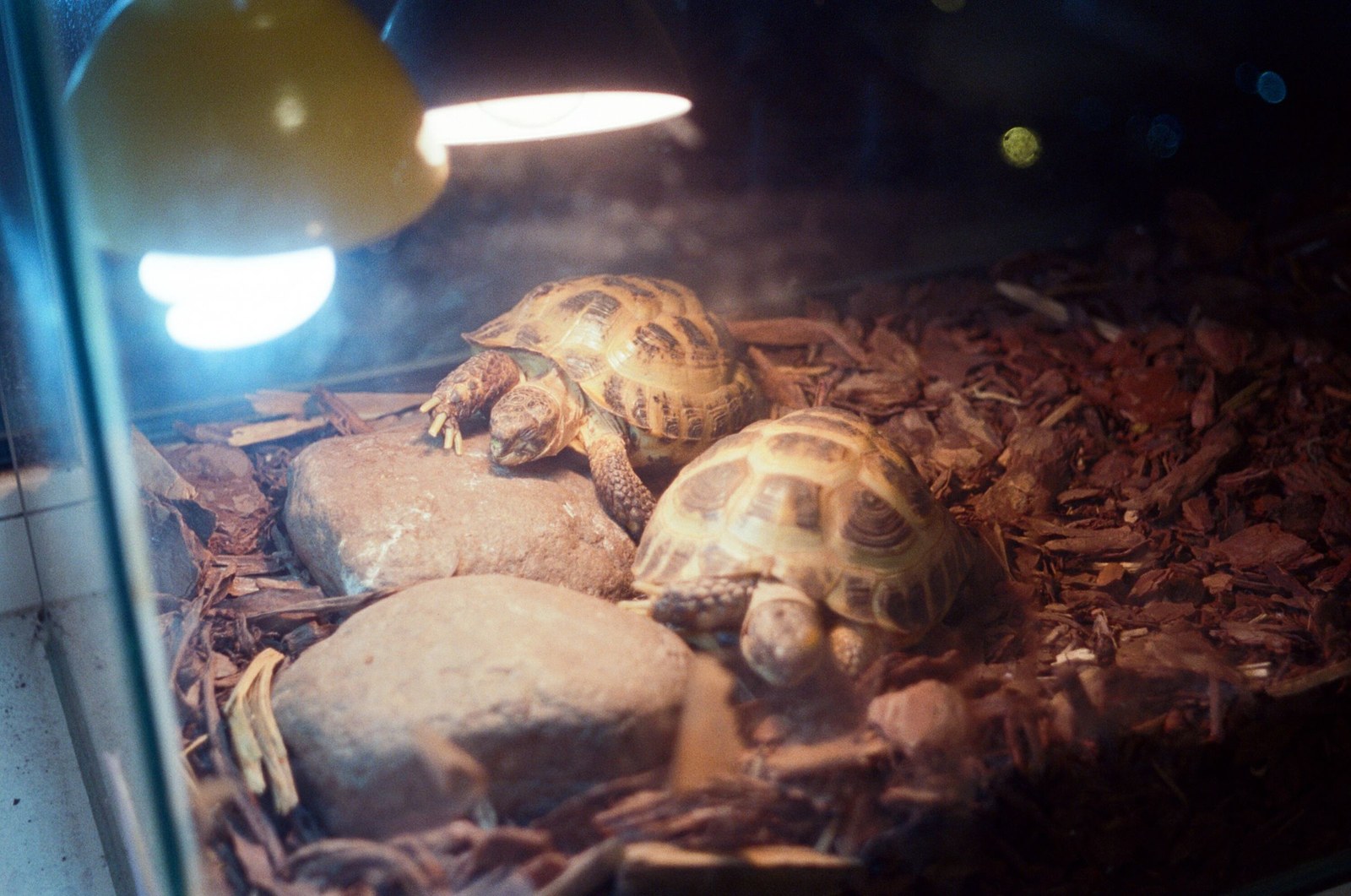
Yes — most pet tortoises benefit from calcium supplementation, and it is one of the easiest parts of care to provide. Offer a cuttlebone in the enclosure for your tortoise to nibble freely, and dust greens lightly with calcium powder several times a week. Calcium does not work alone, though: proper UVB lighting is what allows your tortoise's body to actually use it for shell and bone growth. Supplements and lighting are a partnership, not alternatives.
Why Calcium Matters So Much
A tortoise's shell is living bone, not a detachable box. Growing juveniles are building that bone rapidly, and adults — especially egg-laying females — keep drawing on calcium reserves throughout life. Wild tortoises get calcium from mineral-rich soils, bones they nibble, and a varied forage diet. Captive diets of grocery-store greens, however carefully chosen, rarely match that mineral intake, which is why supplementation is standard practice rather than an optional extra.
The Two Delivery Methods
- Cuttlebone — leave a piece in the enclosure at all times. Most tortoises self-serve, and gnawing also helps keep the beak trimmed. Replace it when it is soiled or nearly gone.
- Powder on food — a light dusting of calcium powder over greens several times a week covers tortoises that ignore the cuttlebone. "Light" is the operative word: a faint coating, not greens buried in powder, which many tortoises will refuse.
Some keepers also keep a small dish of powder available. Whatever the method, consistency across the week matters more than large occasional doses.
UVB: The Other Half of the Equation
Without adequate UVB light, a tortoise cannot properly produce vitamin D3, and dietary calcium largely passes through unused. That means the bulb above the enclosure is as much a supplement as the powder. Check three things: the bulb is a genuine UVB source made for reptiles, it sits at the manufacturer's recommended distance with no glass or plastic blocking it, and it is replaced on schedule — most UVB bulbs fade long before they burn out, often around six months of use.
Signs the Balance Is Off
A soft or flexible shell, uneven or raised shell growth, a soft jaw, or reluctance to walk can all point toward calcium and vitamin D problems, though they are not the only possible causes. These signs warrant a veterinarian's assessment rather than simply adding more powder — oversupplementing fat-soluble vitamins carries its own risks, and the underlying issue might be lighting distance, diet balance, or illness.
Getting Species-Specific Advice
The right schedule differs between a hatchling sulcata growing fast, an adult Russian tortoise, and a breeding female red-foot. When you want the plan fine-tuned rather than generic, a reptile veterinarian is the person to ask. KinsLe's Pet Services Directory helps you find local vets — along with groomers, sitters, and trainers — so you can locate one who actually treats tortoises instead of phoning around. To get species-specific supplement advice without phoning around, use the Pet Services Directory on KinsLe to locate a clinician who actually treats tortoises.