
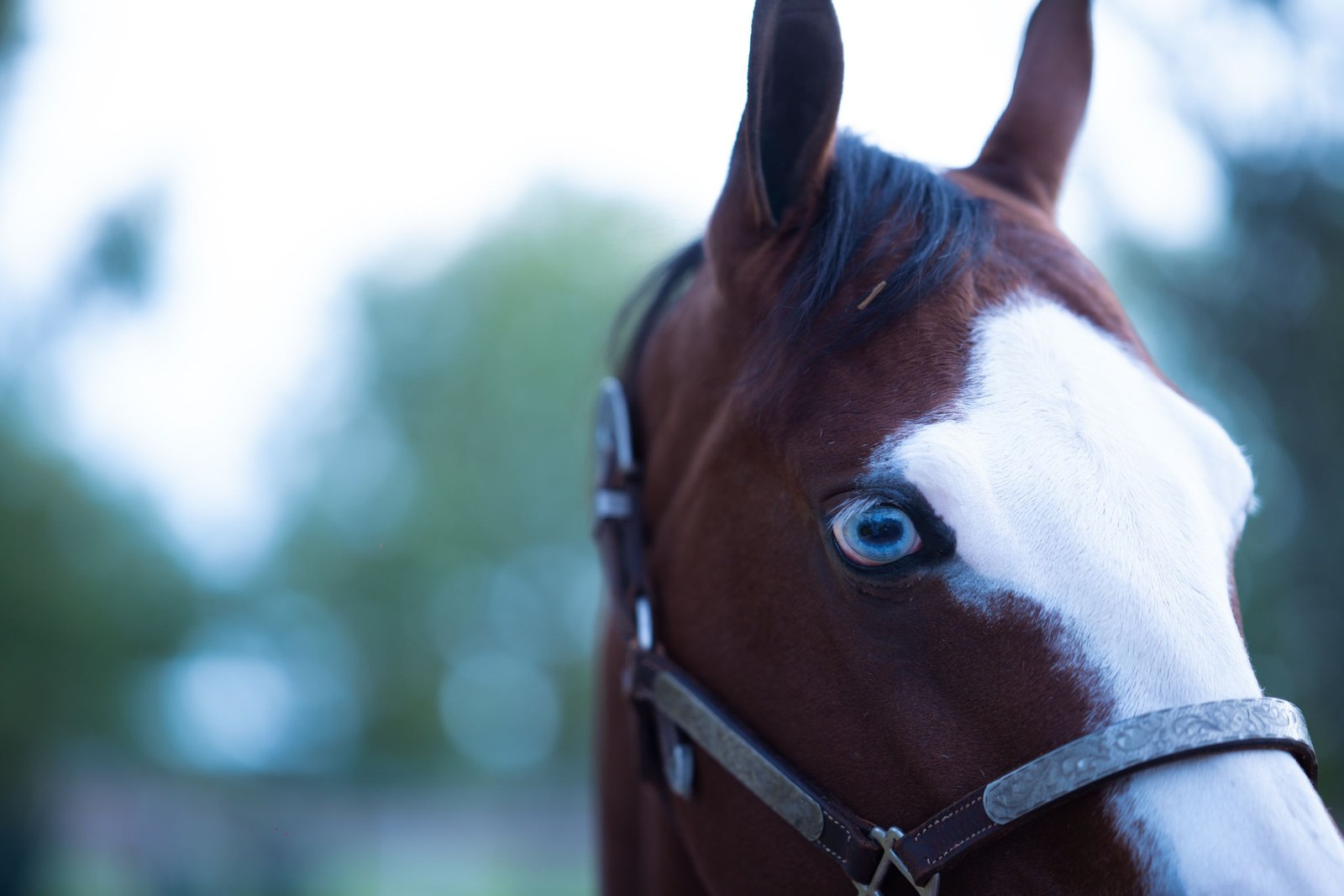
Identify your horse in layers: keep clear, current photos showing his markings from both sides, consider a microchip registered with your up-to-date contact details, and use a visible ID such as a halter tag during turnout. No single method is foolproof — the goal is that whoever finds your horse, wherever he turns up, has a fast way to connect him back to you.
Start With Photos That Actually Help
Take identification photos now, while nothing is wrong, and refresh them seasonally — a shaggy winter coat can hide the markings a summer photo shows clearly. Capture:
- Full-body shots from both sides, front, and rear, with your horse standing on clean, level ground
- Close-ups of every marking: stars, stripes, snips, socks, and any brands or scars
- His face straight-on, since facial markings are often the clearest identifier
- Any unusual features — a distinctive whorl, an old injury mark, a split ear
Store copies somewhere you can reach from your phone, not just on a home computer. If your horse is ever loose, these photos are what you'll send to everyone helping — and they're what lets a stranger confirm the horse in their field is really yours.
The Microchip: Permanent, But Only as Good as Its Registration
A microchip implanted by your veterinarian carries a unique number that a vet, shelter, or animal control officer can read with a scanner. It's invisible, can't fall off, and lasts your horse's life — which makes it an excellent backstop.
Its weakness is stale paperwork. A chip registered to a previous owner, an old phone number, or a registry you never completed won't reunite anyone. When you chip your horse, confirm the registration yourself, keep the chip number in your records, and update it every time your contact details change. Have your vet scan for the chip at a routine visit to confirm it still reads where expected.
Visible ID for Everyday Turnout
For the horse who ducks a fence on an ordinary Tuesday, visible ID works fastest because anyone can read it — no scanner required. Options include an engraved halter tag, a tag braided or attached for turnout, or identification written on a breakaway halter. Breakaway designs matter here: turnout ID should never turn into a snag hazard, so choose gear designed to release under pressure.
Visible ID and a chip do different jobs — one speaks to the neighbor who catches him, the other to the professional who scans him — which is precisely why layering works.
One More Fast Link: His QR ID
Every horse on KinsLe has a unique QR ID on its profile. That gives a finder one more fast way to reach the right owner: a code tied to your horse's own profile rather than a generic tag. Combined with current photos, a registered chip, and visible turnout ID, it rounds out a system where each layer covers the weakness of the others.
Whatever combination you choose, test it like a finder would: could a stranger holding your horse's halter reach you within five minutes? If not, add the missing layer today, while it's just an errand.
Verified QR ID Pet Profiles on KinsLe extend that layered system because a scanned code brings a finder straight to your horse's own profile for confirmation and contact.