
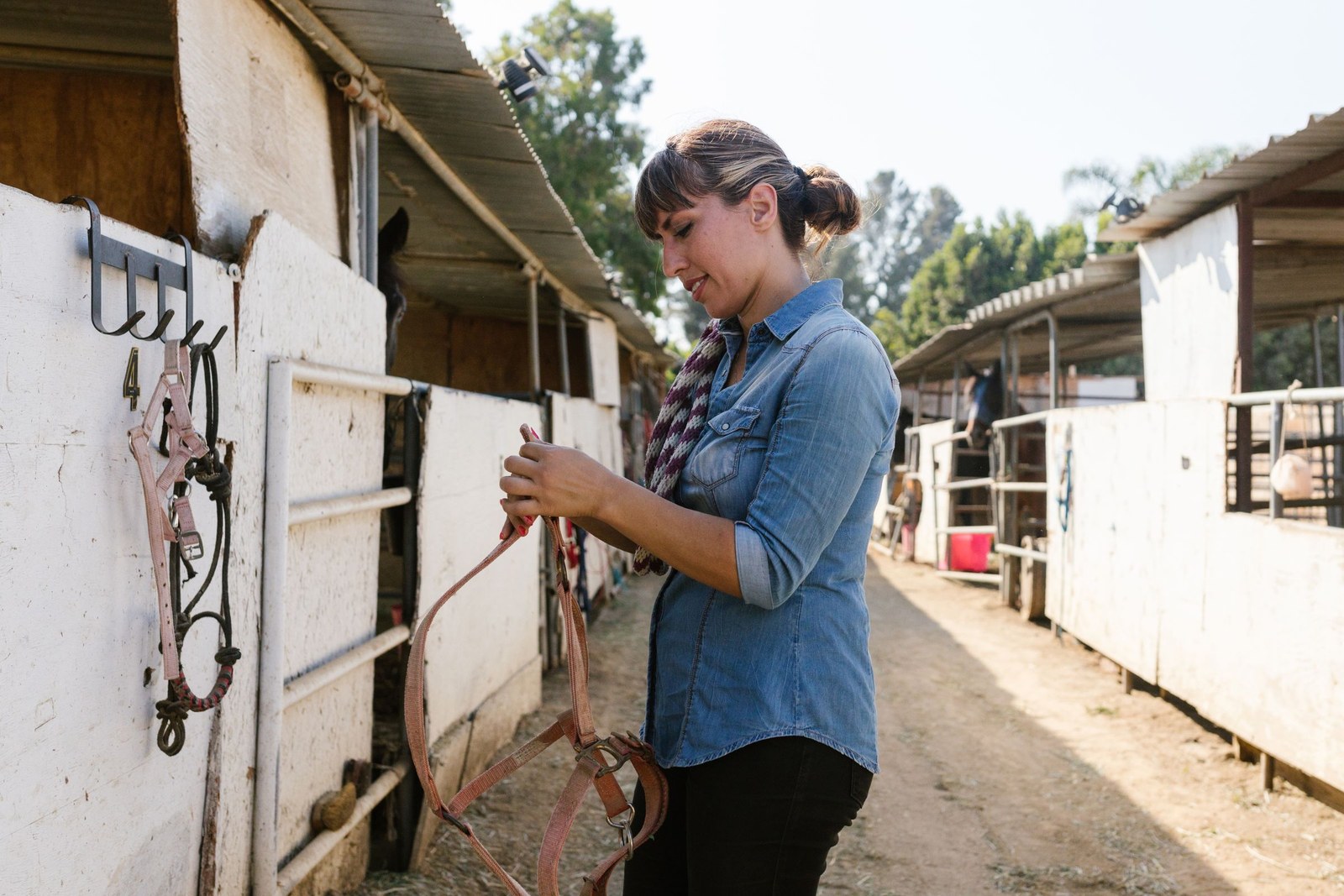
The simplest reliable system is a single running record for your horse — vaccine dates, deworming, dental work, injuries, and medications — updated the same day each thing happens. One record, kept current, beats a shoebox of invoices and a memory that gets fuzzier every season. The format matters less than the habit: if it's easy to update in the moment, it stays accurate.
What Belongs in the Record
For each entry, capture enough detail that it still makes sense a year later:
- Vaccinations: the date, which vaccines were given, and when the next booster is due
- Deworming: the date and product used, plus any fecal egg count results your vet discusses with you
- Dental work: the date of each float or exam and what was found
- Vet visits: the reason for the visit, what was done, and any follow-up instructions
- Medications: what was given, for how long, and who administered it
- Injuries and lameness: onset, which leg or area, treatment, and how recovery progressed
- Routine care: farrier dates, Coggins test results, and health certificate dates if your horse travels
That last category matters more than people expect. Shows, clinics, and many boarding barns ask for current vaccination and Coggins documentation, and hunting for it the night before a haul is a special kind of stress.
Why the Paper Binder Falls Short
Plenty of barns run on a three-ring binder, and it works — until it doesn't. Binders get splashed, misplaced, left at the previous barn, or filled with pages only one person can decipher. The bigger problem is travel: your horse's records stay in the tack room while your horse is at a show, a clinic, or an emergency vet visit across town.
There's also the multi-horse, multi-human problem. When a spouse, a trainer, and a barn manager all keep partial notes in different places, nobody actually has the whole picture, and things like a deworming rotation or a medication course can quietly fall through the cracks.
A Same-Day Routine That Sticks
Build the update into the appointment itself. Before the vet drives away, confirm what was done and what's due next, and log it on the spot — two minutes with your phone beats reconstructing it later. Photograph invoices and lab results as backup. Then, once a season, skim the record for upcoming due dates so boosters, dental checks, and tests get booked ahead instead of in a scramble.
If several people care for your horse, agree on one shared record and one simple rule: whoever was present for the care logs it. Consistency beats detail — a brief entry made every time is worth more than a perfect entry made twice a year.
One Packet That Travels With Your Horse
KinsLe's Pet Passport was designed for exactly this problem. It turns the binder into a shareable records packet — vaccines, medications, allergies, and documents in one place — that travels with your horse instead of living in one tack room. Heading to a new vet, a boarding barn, or a show office? The records they need can be shared from the packet rather than photocopied from a soggy notebook.
Keeping the record also protects your horse in an emergency: a vet treating him for the first time can see his vaccine history, known allergies, and current medications at a glance, instead of starting from zero.
Pet Passport on KinsLe holds that same running record in a shareable packet, so vaccine dates and Coggins results are ready when a show office or new vet asks.