
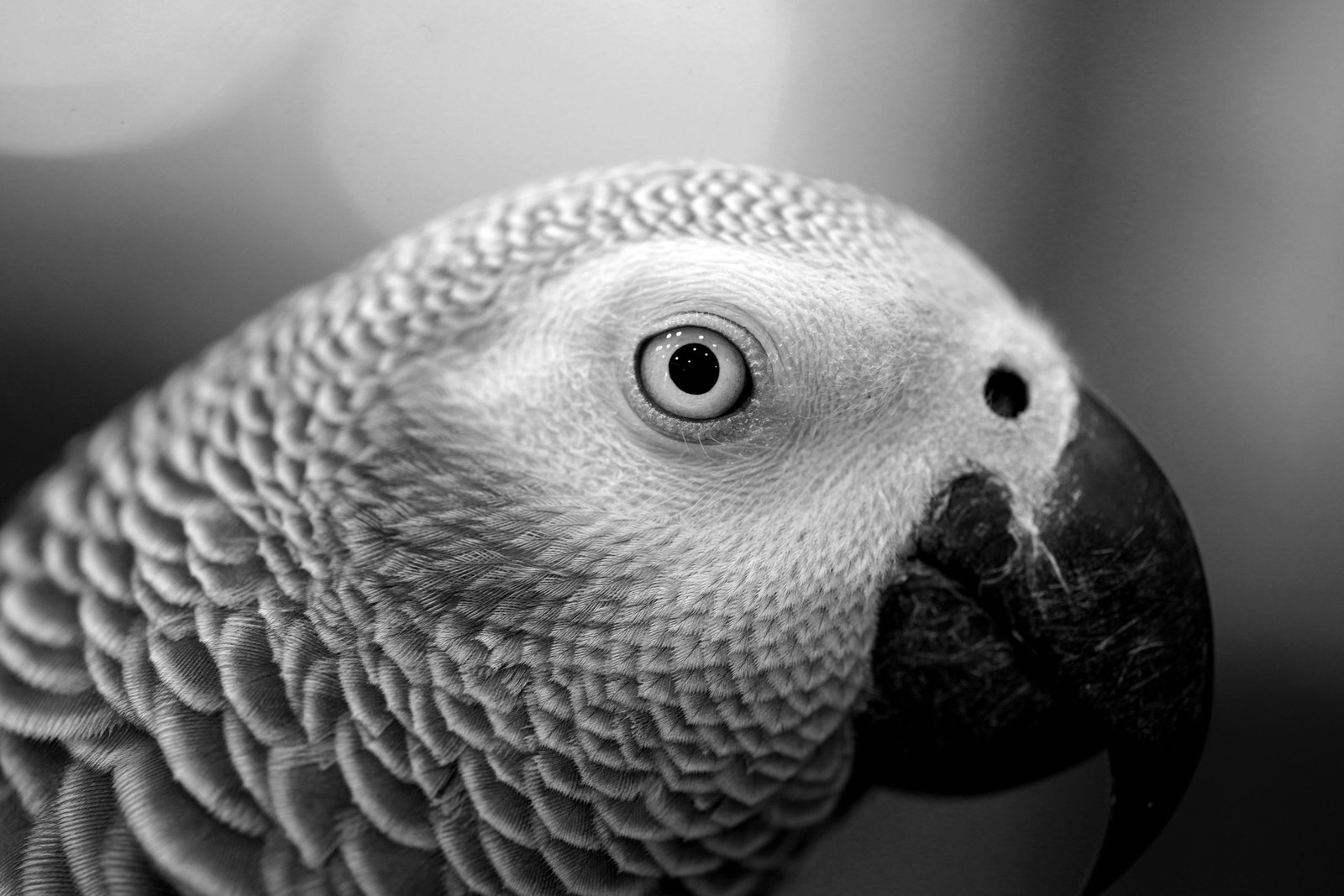
Yes — and the system that works best for parrots is simple: file every visit summary, lab result, and recommendation in date order, note any follow-up date immediately, and keep one running history you can hand to any vet. Parrots live a long time, change vets, and often see specialists, so a tidy record prevents important details from being lost between appointments.
Why Parrot Records Matter More Than You Think
Parrots can hide early signs of illness, and many health decisions depend on trends rather than a single snapshot. A blood result from two years ago, a previous crop issue, a change in weight, or how your bird reacted to a diet change can all shape what an avian vet recommends next. If those notes are scattered across emails, photos of printouts, and memory, even a great vet is working with gaps.
An organized history is especially valuable when you meet a new vet, board your bird, or face an urgent visit. Instead of trying to recall dates under stress, you can show exactly what was done, when it happened, and what was planned next.
What to Save After Every Visit
Build a habit of saving the same core items each time:
- The visit summary with the date, reason for the visit, and findings
- Lab and test results, including bloodwork and any imaging reports
- Your vet's recommendations in their own wording where possible
- Any changes to diet, supplements, housing, or daily care discussed at the visit
- Follow-up timing — recheck, repeat test, or next routine exam
- Questions you still have, so they do not get forgotten
Add your own short notes, too. Note appetite, droppings, activity, vocalization, and any new behaviors in the days around the visit. Those everyday observations often help a vet connect the dots.
A Simple Filing Routine That Sticks
Choose one home for everything — a folder, binder, or digital packet — and update it within a day of the appointment while details are fresh. File newest on top if you use paper, or name digital files with the date first so they sort naturally. Set calendar reminders for follow-ups the moment you leave the clinic, rather than trusting that you will remember in three or six months.
Once or twice a year, skim the whole history. Look for missing results you were promised, overdue rechecks, and patterns like repeated digestive upsets or seasonal feather changes. That quick review turns a pile of papers into a useful timeline.
Safety and Accuracy Notes
Do not edit or summarize away results you do not understand. Keep the original report alongside your own notes, and ask your avian vet to explain anything unclear at the next visit or by message. Never adjust a care plan based on an old result alone — health guidance should come from your current veterinarian, who can see your bird and the full context.
If a result looks urgent or your vet's office flags it for prompt follow-up, do not wait for your filing routine. Call the clinic and follow their timing.
Keep It All Together With Pet Passport
KinsLe's Pet Passport is the records packet built for exactly this kind of long, detailed history. It holds vaccines, medications, allergies, and documents in one shareable packet you can pass to vets or sitters, so your parrot's story travels with them instead of living in three different drawers. Keeping that packet current means a new avian vet can get up to speed in minutes, not visits. A new avian vet can review bloodwork trends, visit summaries, and follow-up plans in minutes when you share the Pet Passport on KinsLe before the appointment.