
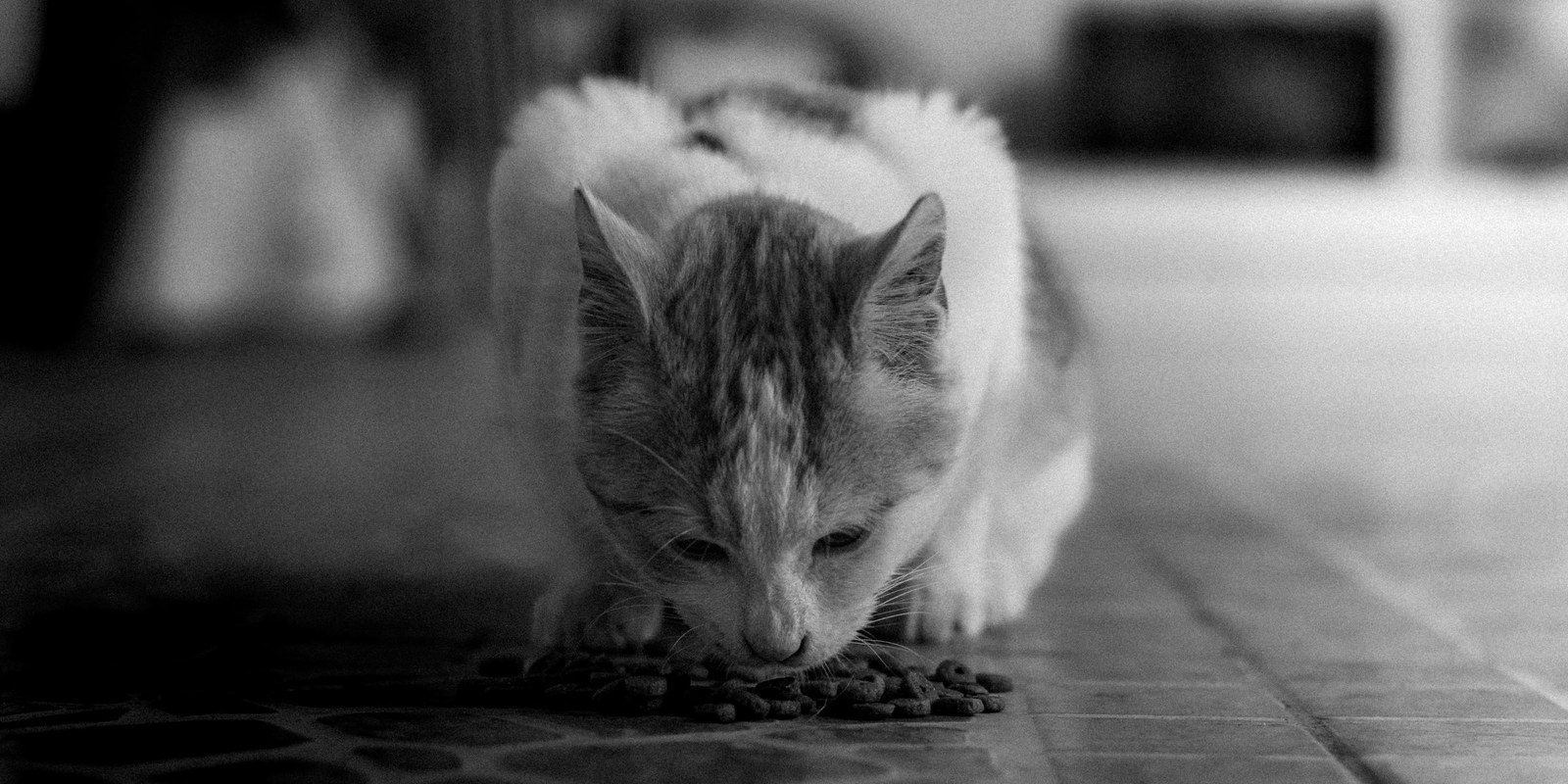
You support a senior cat's kidneys through everyday lifestyle with four unglamorous habits: excellent hydration, the diet your vet recommends for your cat's stage, low stress, and regular monitoring visits that catch change early. There is no home remedy that replaces veterinary oversight — but daily life genuinely influences how well ageing kidneys cope.
Hydration is the headline habit
Kidneys work better in a well-hydrated cat, and senior cats often drink less than they should because of sore teeth, stiff joints, or a bowl in an inconvenient place. Make drinking effortless: several water stations on the level where your cat actually lives, wide bowls that don't brush whiskers, water refreshed daily, and stations away from litter boxes. Many cats drink more from a gently flowing pet fountain. If your vet agrees it suits your cat, wet food is another powerful lever — it carries most of its weight as water, quietly raising total intake at every meal.
Food: follow your vet, not the internet
Diet advice for kidney support depends entirely on your individual cat's stage, bloodwork, appetite, and other conditions. Some cats are guided toward specific veterinary diets; others need encouragement to eat enough of anything appropriate. The rule is simple: never start a special, restricted, or 'renal' diet — or any supplement, herbal product, or vitamin — without your vet's input, because the wrong restriction can do harm and an under-eating senior cat faces risks of its own. If appetite fades, raise it at the next visit rather than improvising; food transitions should be gradual and vet-guided.
Low stress and easy living
Stress raises the cost of everything for an older cat. Keep routines predictable, litter boxes on the same floor as food and rest so nothing requires stairs or jumps, and give your cat warm, quiet, draught-free sleeping spots. In multi-cat homes, make sure a slower senior isn't being ambushed at bowls or boxes by a younger cat — separate resources solve most of that. Gentle daily play and grooming sessions keep muscles, circulation, and mood in better shape than a fully sedentary life.
Monitoring is part of lifestyle, too
Book the checkups your vet recommends — often twice yearly for seniors — and keep your own simple log between them: weekly weight if you can, rough water intake, appetite, and litter habits. Small trends reported early are exactly what allows a vet to adjust diet and support at the right moment rather than after a crisis. Report increased thirst, weight loss, vomiting, or appetite change promptly instead of waiting for the scheduled visit.
Keeping the plan where everyone can see it
KinsLe's Pet Passport keeps your vet's current feeding guidance alongside your cat's records — vaccines, medications, allergies, and documents in one packet, shareable with vets and sitters — so the plan your vet sets is the plan every carer actually follows, not a half-remembered version of it. Consistency is the real lifestyle medicine. Pet Passport on KinsLe keeps that vet-set feeding guidance beside the cat's vaccination, medication, and allergy records in one packet, so a sitter or a new clinic follows the same kidney-support plan you were given.