
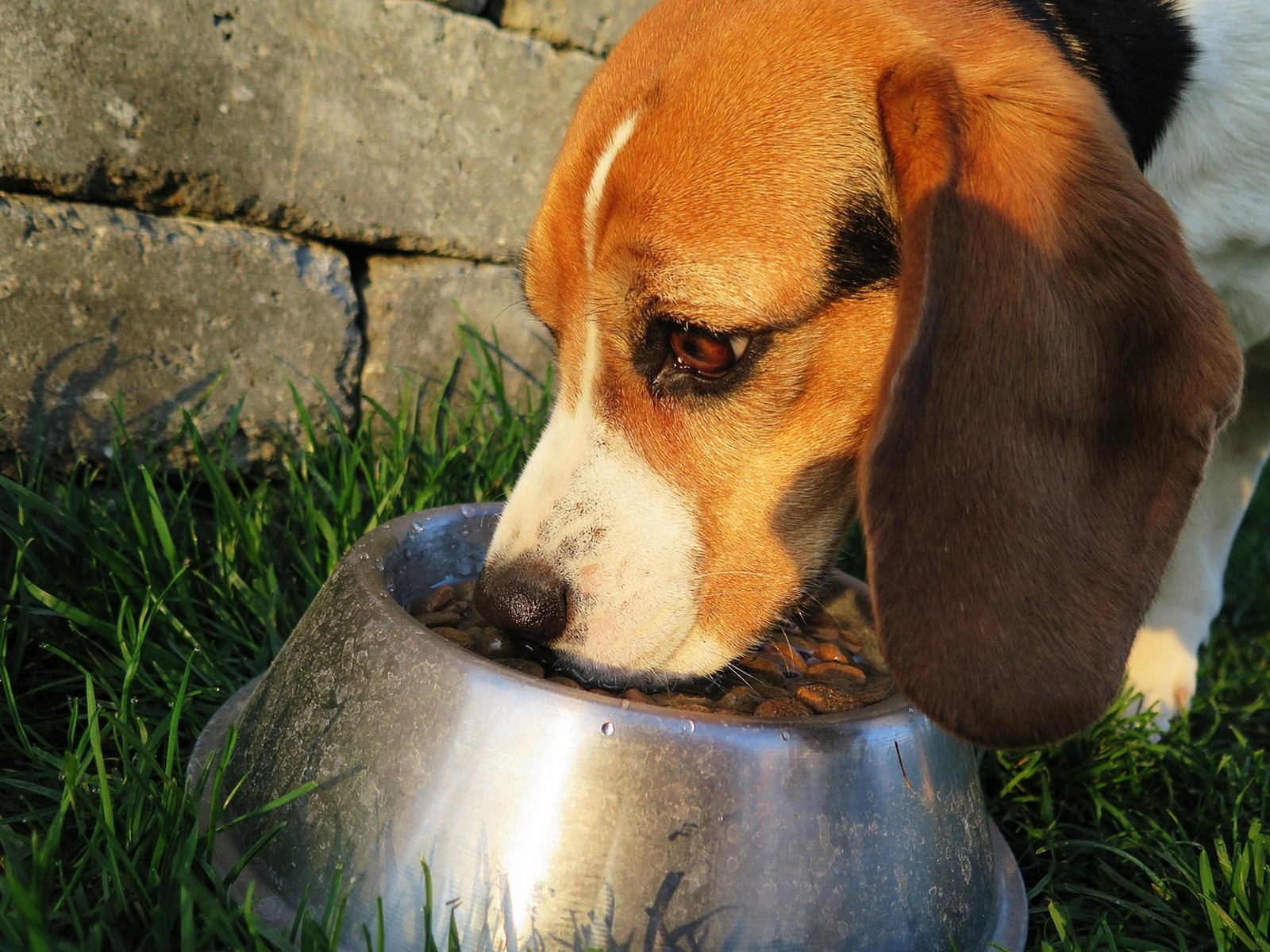
Feeding and medication instructions for a sitter should be specific enough that a careful stranger could follow them with no guesswork: exact amounts using the actual scoop, feeding times, where everything is kept, and for medication, the name, dose, timing, and the method that works for your dog. Vague instructions are the single most common cause of sitter mistakes, and almost all of them are preventable on paper.
Feeding: amounts, timing, and the details around the bowl
Write the amount three ways if needed — "one level blue scoop, about one cup" — and say which food, from which container, in which room. Dogs on measured diets, weight-management plans, or prescription foods cannot afford a sitter's generous interpretation, and neither can a dog with a food allergy whose treats must come only from the approved jar.
Add timing and context: meals at 7 a.m. and 6 p.m., a small treat after the midday walk, fresh water with each meal. Note the behaviors that matter — your dog eats in a crate because the other dog steals food, the bowl goes up after 20 minutes, a refused meal once is normal but two in a row means call you. Multi-dog homes need feeding instructions per dog, with names matched to bowls and locations, because "the brown one gets less" fails in real kitchens.
Also state plainly what never to feed: table scraps, bones, or the common toxic foods like grapes, onions, and xylitol-sweetened products. A well-meaning sitter sharing their snack is a real and avoidable risk.
Medication: make the routine foolproof
For each medication, list the name as it appears on the label, the exact dose, the times, and the delivery trick that works — hidden in a pill pocket, wrapped in a small piece of cheese if your vet has approved that food, placed in wet food, or given directly followed by a treat chaser. Note storage: counter, fridge, out of reach because your dog will chew a dropped pill bottle.
Cover the exceptions in advance. If a dose is spat out, vomited, or simply refused, the sitter should know whether your vet's standing guidance is to note it and continue, or to call — because the right answer differs by medication, and your sitter should never have to decide it alone or improvise a double dose. Ask your vet that question before you travel and write the answer down verbatim.
A simple pill organizer or a written daily checklist with boxes to tick turns "I think I gave it" into certainty, which matters enormously on a twice-daily medication over a ten-day trip.
When something looks off
Give your sitter your mobile number, your vet's number, and permission to use both. Describe your dog's normal — appetite, stools, energy, sleep — in a sentence or two, so a change is recognizable rather than debatable. Agree the communication rhythm too: a daily photo and health note suits most owners, and it is far better agreed in advance than requested anxiously mid-trip.
Tracking it with Care Teams
Instructions tell a sitter what to do; KinsLe's Care Teams show you it was done. Care Teams let you assign feeding, walks, medication, and grooming duties for your dog, and each completion is marked with a timestamp. Instead of wondering whether the evening dose happened, you can see the medication task checked off at the time it was due — and if it is not, you can follow up while it still matters. That visibility turns a good sitter into a coordinated care circle. Care Teams on KinsLe give that written sitter plan a live checklist, where each meal, walk, and dose is marked complete at the moment it happens.