
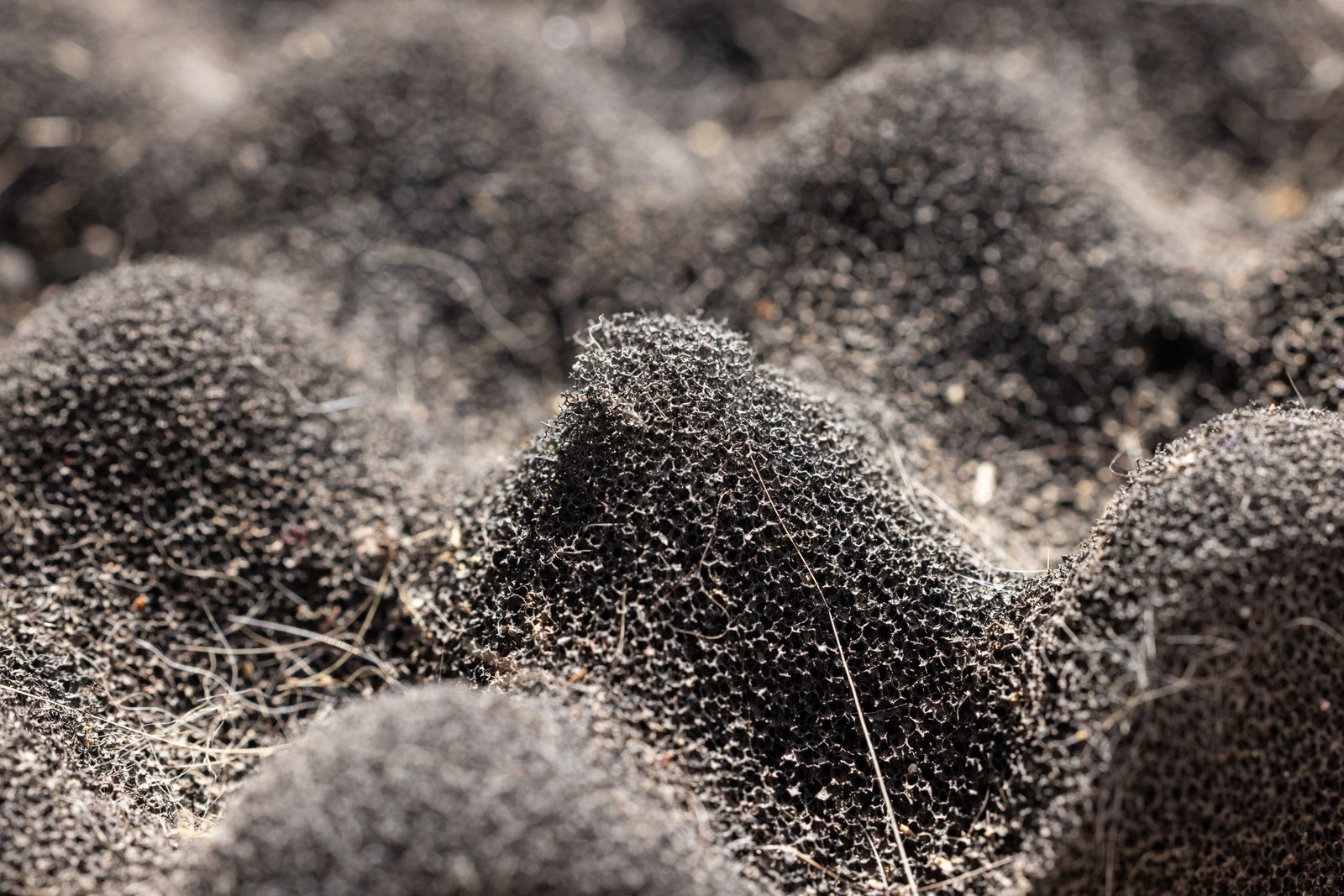
Clean your filter gently, in tank water, and never all at once. Rinse sponges and filter media in a bucket of water you've just removed from the aquarium — never under hot tap water, never with soap or detergent. The filter is where most of your beneficial bacteria live, the bacteria that convert toxic ammonia and nitrite into safer nitrate. A thorough "clean" done the wrong way can wipe out that colony and send your tank back into cycling territory within days.
Why Your Filter Is a Bacteria Hotel
Mechanical filtration — the sponge that traps debris — is only half the job. The real work is biological: ammonia-eating and nitrite-eating bacteria colonize every porous surface in the filter, from foam to ceramic rings. Chlorinated tap water is designed to kill bacteria, which is exactly what you don't want; hot water and soap finish the job even faster. That's why the golden rule exists: wash filter media in old tank water, which is warm, dechlorinated, and full of nothing that harms the colony. You're just knocking loose the physical gunk so water flows freely again.
The Safe Rinse, Step by Step
Turn the filter off. Fill a bucket with tank water — grab it during your regular water change so it costs you nothing extra. Squeeze sponges and foam gently in the bucket until the water runs less murky; a few squeezes is plenty, you're not wringing laundry. Swish ceramic or bio-ball media in the same bucket to knock off loose debris — don't scrub it shiny. If media truly needs replacing, swap out only part of it at a time and wait a few weeks before touching the rest, because the bacteria on what remains will reseed the new media. Activated carbon is the exception: it's a chemical filter that exhausts in about a month and can be replaced fully — in fact, many keepers run carbon-free tanks and only add it to remove medications.
How Often Should You Do It?
Glance at your filter monthly, and rinse when flow visibly slows or the intake looks clogged — for many community tanks that's every four to eight weeks. Never rinse the filter the same day you deep-clean the gravel and decorations; spreading chores across weeks means the bacteria colony always has undisturbed refuges. If the filter has been off for many hours (a power cut, for instance), assume some bacteria died — test ammonia and nitrite for a few days afterward and keep water changes ready.
Keep Everyone on the Same Instructions With KinsLe Messenger
The filter mistake usually happens when someone else tries to help: a partner "deep cleans" under the tap, or a sitter replaces every cartridge at once. KinsLe Messenger, the per-pet communications hub, solves that by keeping your exact care instructions where everyone involved can see them — "rinse sponges only in tank water, never tap, never soap" written once, permanently, in the tank's own thread. Everyone caring for your fish reads the same guidance instead of improvising. KinsLe Messenger keeps the bucket-only rinse method, the partial-media rule, and the no-soap warning inside the tank's own thread on KinsLe, visible before a helper touches the filter.