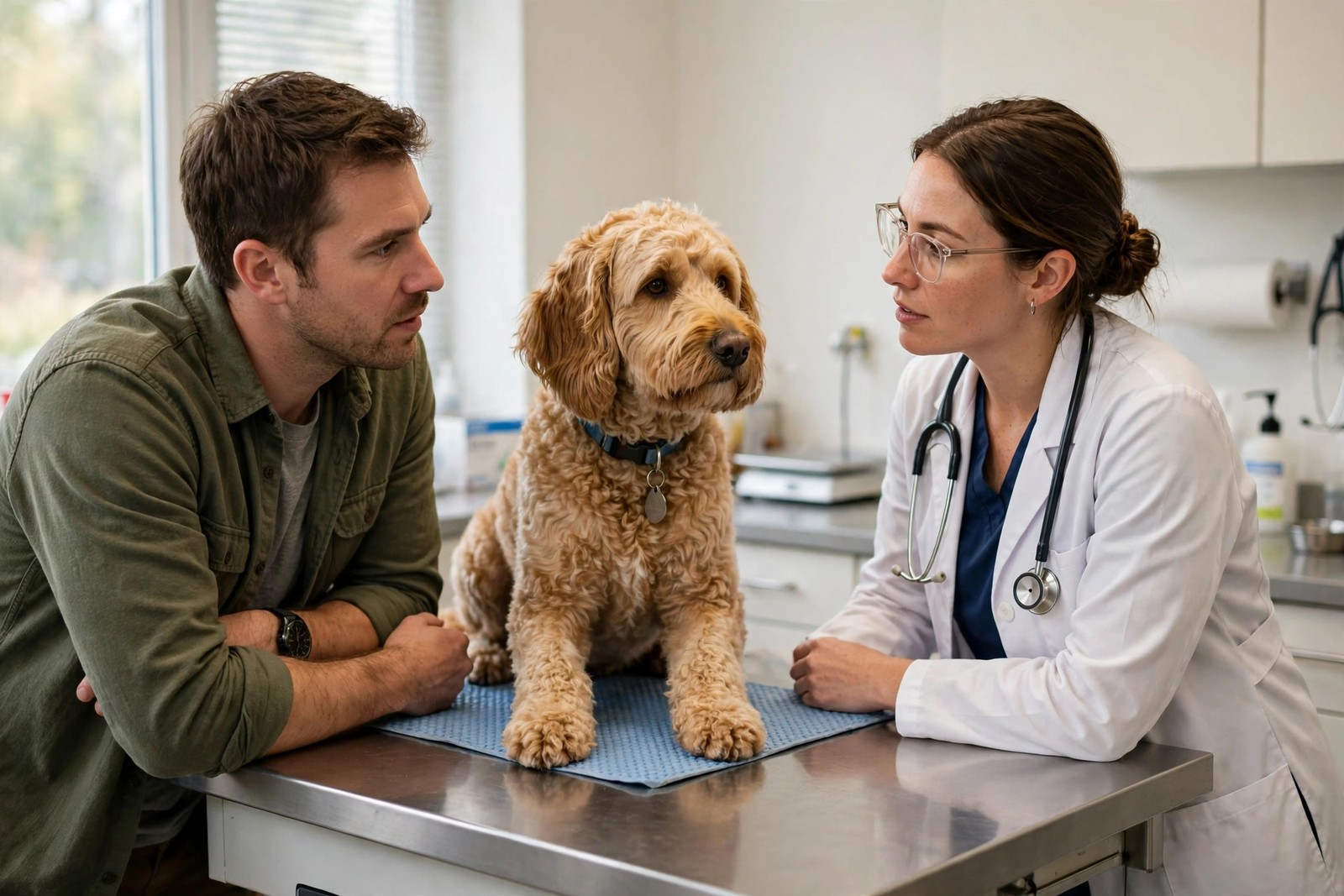
Spaying is an elective operation with lifelong effects, which makes it a decision worth building carefully rather than inheriting from a neighbour's dog or a rule of thumb. There is no honest universal answer about whether or when, because the considerations move with breed, adult size, health history, and household circumstances. Your vet's role is to set those considerations against your individual dog, and your role is to arrive with the right questions and an accurate picture of her life so far.
Understanding the Operation Itself
Begin with what spaying actually involves for her. Ask what the procedure removes, how the anaesthetic is managed for a dog of her size and age, how long she is likely to stay at the practice, and what recovery at home looks like across the following days and weeks. Ask about wound care, exercise restriction, and follow-up appointments, and about how the practice handles pain relief during recovery, in general terms. An owner who understands the shape of the operation and the fortnight after it can plan work, childcare, and quiet space around her properly, and practical readiness is a legitimate part of timing the decision well.
Timing Questions About Growth and Seasons
Timing deserves its own stretch of the conversation. Ask how spaying before or after a first season changes the picture for a dog of her breed and expected adult size, and how timing interacts with skeletal growth, which finishes later in large breeds than in small ones. Ask where she currently sits in her cycle, when her next season is expected, and whether the practice prefers to operate at a particular stage between seasons. Ask whether her weight and current condition suit surgery now or whether the vet would rather see any change first. Record her season dates as they happen, because a vet advising on timing works from that history, and owners who track seasons accurately give the conversation a factual spine instead of estimates.
Health Considerations on Both Sides
Ask your vet to walk through the health considerations in both directions for a dog of her breed and build. On one side sit the matters spaying addresses, including the removal of pregnancy risk and the effect on conditions associated with entire females. On the other side sit the considerations owners weigh about surgery itself, anaesthetic, and any breed-specific research your vet follows regarding timing and later joint or other health questions. Ask what evidence the practice leans on and how strongly it applies to a dog of her size, since findings drawn from large breeds may transfer poorly to small ones and the reverse holds too. A balanced tour of both directions, given by a clinician who knows her, outweighs any confident opinion gathered elsewhere.
Life After the Decision
Whichever way you decide, ask what changes afterwards. A spayed dog's energy needs commonly drop, so discuss adjusting food before weight creeps on rather than after, and ask how her coat may change, since some breeds grow a thicker, softer coat after spaying. If you delay or decide against, discuss managing seasons practically: lead walks, avoiding entire males, hygiene at home, and the vigilance a season demands for its full length. Ask also about the realistic risk of an unplanned litter in your household's setup, judged honestly, since that risk sits inside the decision rather than outside it.
Making and Recording the Decision
Take the decision at the pace the questions deserve, and feel free to ask for the practice's guidance in writing or a second conversation before booking. Record what you decided, the reasons, and any agreed review point, such as revisiting timing after her next season. If she is insured, check whether the policy touches the decision in any way worth knowing about before rather than after the operation date is set.
Her season dates, growth notes, and the questions you have gathered wait usefully in KinsLe's Pet Passport, so the timing conversation with your vet starts from her real history rather than recollection.