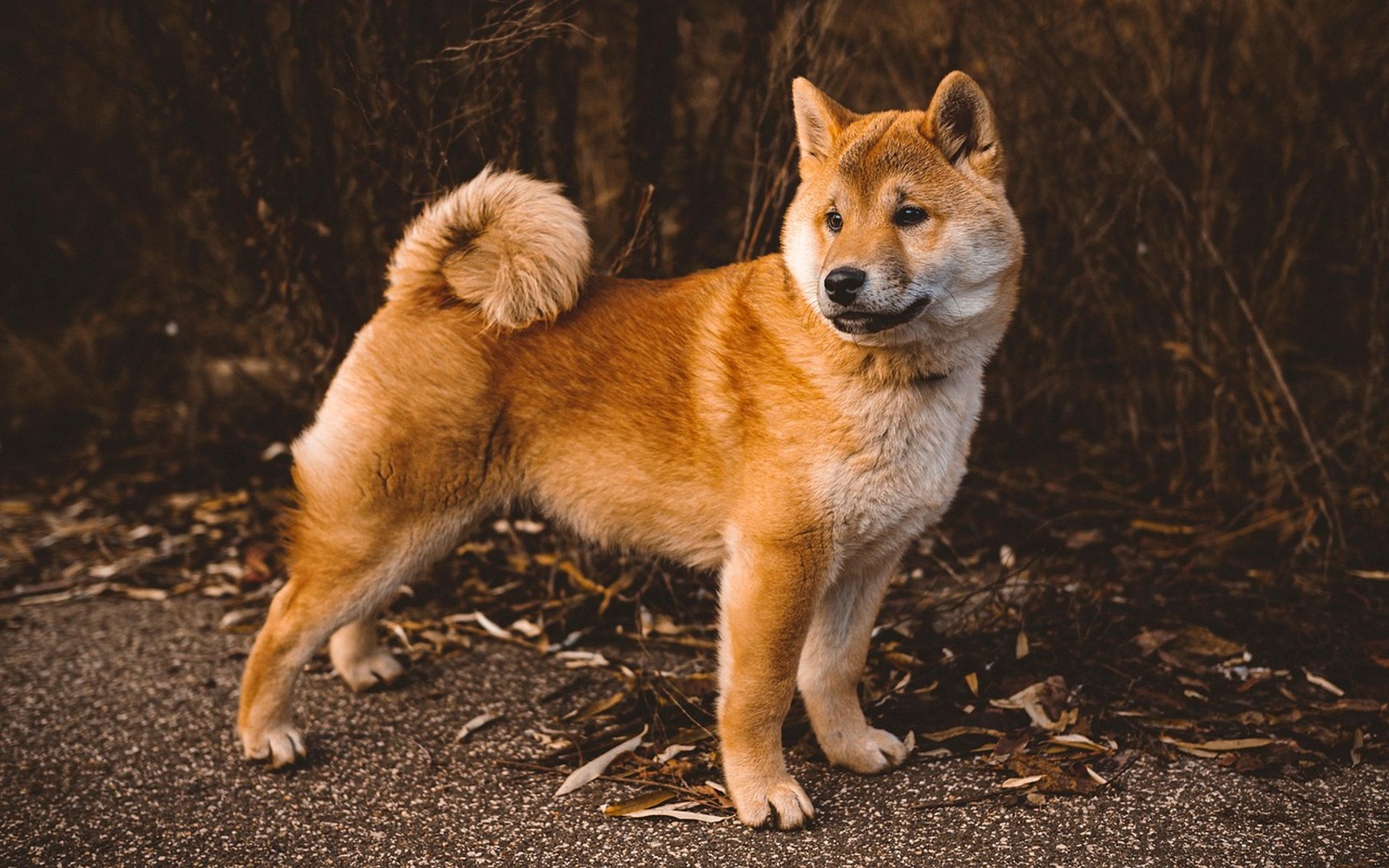
The Breed Most Often Sold Badly
Few breeds attract online opportunists like the Shiba Inu. Its foxlike looks and internet fame mean puppies are sold by people who do none of the early work this primitive, independent breed desperately needs. Protect yourself by starting with the breed club's breeder referral and rescues that specialise in shibas or similar spitz breeds, and treat any seller offering instant availability, no questions, and delivery before a proper conversation as a warning sign.
Ask breeders to describe their socialisation programme in detail. Shiba puppies need early, daily, positive exposure to handling, visitors, children, other dogs, grooming, and the wider world during their first weeks, because the breed's natural suspicion hardens quickly. A breeder who keeps puppies in a quiet pen and calls the breed naturally aloof is manufacturing the very problems you will pay to fix.
Screening and Temperament, Without Romance
Ask to see hip, eye, and kneecap screening for the parents, and ask what the breeder knows about allergies and skin trouble in their lines, which are common shiba complaints. Then listen to how the breeder talks about temperament. Honest shiba breeders describe a dog that is loyal but not eager to please, clean and quiet in the house, selective with strangers, and often intolerant of rude dogs. If a seller promises you an easy, obedient, everybody-friendly companion, they are selling a fantasy rather than a shiba.
Meet the mother and watch how the adult dogs are handled. Shibas from good lines accept grooming, nail care, and vet handling because they were taught early that these things are normal. Ask directly whether the breeder's dogs can be handled all over, and watch a demonstration rather than accepting an assurance.
Shiba Rescue: Expertise Is Essential
Shibas are surrendered for predictable reasons: bolting through doors, guarding food or toys, friction with other dogs, and owners who mistook independence for low maintenance. A specialist rescue understands these patterns and assesses handling tolerance, guarding behaviour, and dog sociability carefully, then tells you the results without sugar-coating. That frankness is the service you are looking for.
Ask what the foster home has worked on, whether the dog has lived with cats or children, and how it behaves at the vet. A general rescue with no shiba experience may still have a lovely dog, but press harder for specifics, and be prepared to involve an experienced trainer from the first week rather than hoping an independent adult dog will simply adjust.
Puppy Work or Adult Clarity
A well-bred shiba puppy still demands months of socialising, boundary-setting, and management around doors and fences, and recall off lead may never be trustworthy in open country. A fostered adult shows you its true sociability, guarding tendencies, and handling limits immediately, which many owners find the safer route into the breed. Choose with your experience level in mind, and be honest if this is your first dog; good breeders and rescues will respect that honesty and may steer you accordingly.
Records for a Dog That Trusts Slowly
At handover, gather screening copies, vaccination and microchip records, current food, grooming and handling notes, existing cues, and any record of guarding triggers or escape attempts. Shibas build trust slowly and remember handling experiences vividly, so knowing what the previous keeper found easy, and what caused stress, shapes your first months together.
Through KinsLe Transferrable Profiles, trust-building begins from documented fact instead of a stranger's summary.