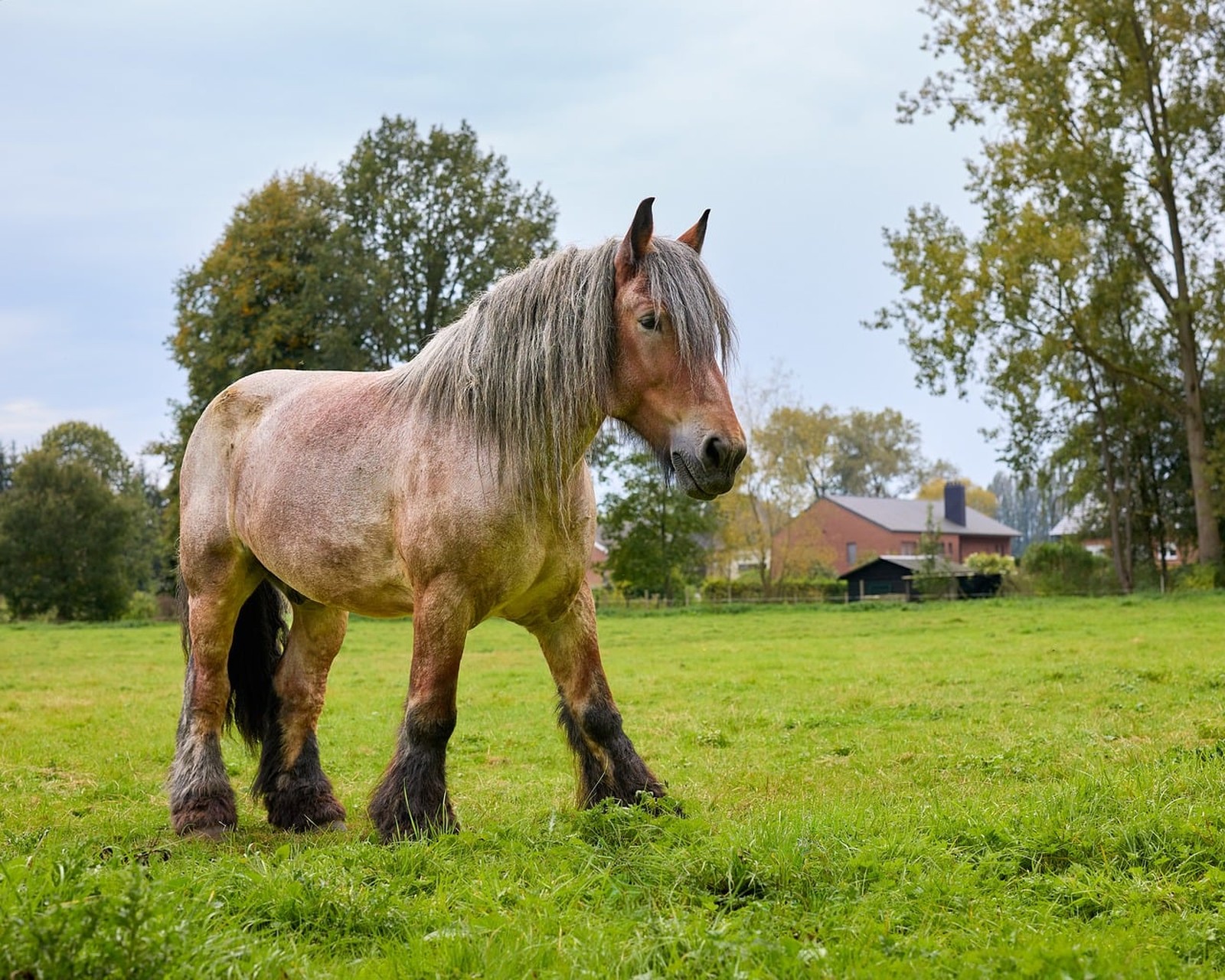
The right vet for farm animals is the practice that actually treats your species, not simply the nearest clinic — plenty of small-animal practices never see livestock at all. Begin with practices advertising farm work, large-animal work, or a mixed caseload, then test what you find against the animals you keep, because a horse vet may not see chickens and a farm practice may cover goats but not alpacas.
Local knowledge shortens the search considerably. Feed merchants, farriers, neighbouring horse and smallholding owners, and farming or smallholder groups all know who genuinely comes out for goats, sheep, pigs and poultry. National veterinary directories and species societies — goat, poultry and alpaca societies keep vet lists — fill the remaining gaps, and for poultry specifically, look for a vet with backyard-poultry experience, since chickens fall between farm and pet practice in many areas.
Set the Relationship Up Before You Need It
Register with the practice before an emergency and ask the operational questions while nothing is wrong: do they do out-of-hours cover and farm visits, what is their call-out area, do they treat your exact species (a horse vet may not see chickens; a farm practice may happily see goats but not alpacas), and what routine work they offer — vaccinations, worming plans, foot trimming, castration, health planning. Many regions require livestock keepers to be registered with a vet for prescriptions and medicine supply, and some farm medicines cannot legally be sold to you without that relationship. Keep the practice's number, including the out-of-hours route, written down where the animals are kept, not just in your phone — the person who finds a sick animal at 6 a.m. may not be you.
Working With Your Vet
Bring the vet a record they can act on. For each animal, note when a change began, whether appetite, droppings, breathing, movement or behaviour shifted with it, and anything new in feed, housing or companions around the same time. Photographs or a short video of a gait problem, a coughing spell or an odd posture can show what a single visit might miss. That record supports the vet's examination; it does not replace it, and diagnosis stays with the vet who has seen and handled the animal.
If you cannot find a farm vet, call any local practice and ask who covers farm work in your area — practices know each other's patches, and an emergency is the wrong time to discover the map.
Keep the log species by species rather than as one yard diary. A hen's laying pattern, a goat's weight trend and a pony's appetite tell different stories, and separate notes stop a quiet decline in one animal being hidden by the health of the group. Add vaccinations, worming, foot care and medicines as they happen, with dates, so patterns build across a season instead of relying on memory at the appointment. Ahead of any emergency, browse the Pet Services Directory in KinsLe for farm-animal practices near you and record the practice you choose.