
To find reliable midday help for your dog, treat it like hiring someone you will trust with your home and a family member: ask for references, meet the walker with your dog first, agree in writing on walk length and emergency plans, and start with a short trial week. A good walker is easy to verify — they welcome questions, show up when they say they will, and your dog comes home relaxed, not wired or shut down.
Where Good Walkers Actually Come From
Start with recommendations from people whose dogs you know: neighbours, your veterinarian's noticeboard, local training clubs, and other owners at the park. Personal recommendations beat star ratings because you can ask the awkward follow-up questions — did they ever cancel last minute, how did they handle a problem?
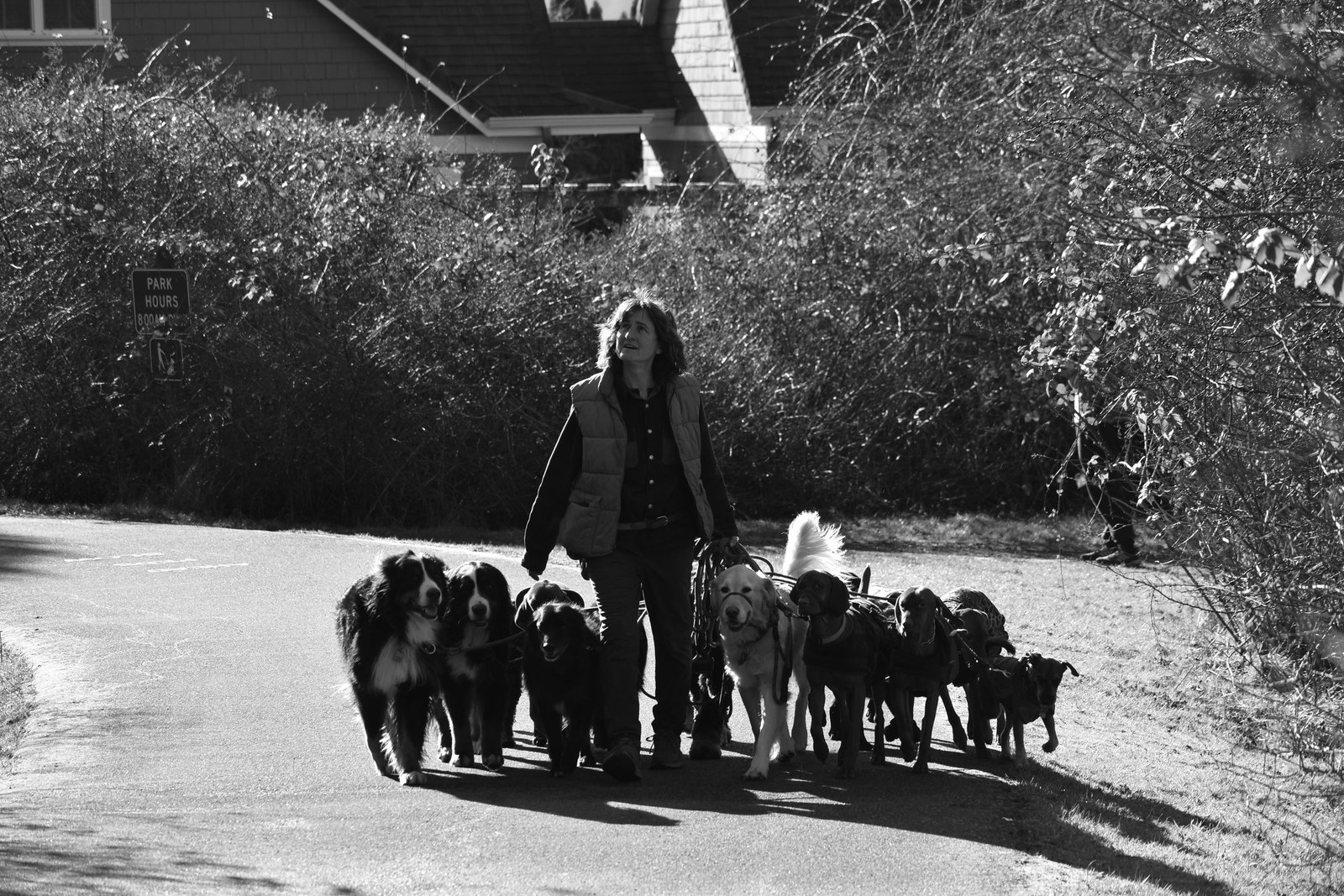
Professional walkers and sitters also list in local directories. When you compare listings, look for specifics rather than adjectives: how long they have been working, whether they walk solo or in groups and how big those groups are, what areas and times they cover, and whether they have any pet first-aid training. Vague, glowing descriptions with no detail are a yellow flag.
Prepare a shortlist of two or three and meet them all. It takes an extra evening, but comparison is how you spot the difference between competent and careless.
The Meet-and-Greet and the Questions to Ask
Always introduce the walker to your dog before any solo visit, ideally including a short walk together. Watch how they handle the lead, whether they let your dog sniff or haul them along, and whether your dog relaxes around them. A nervous rescue dog may need two meetings — a good walker will suggest that themselves.
Ask directly:
- Solo walks or group walks, and what is the maximum group size?
- How long is the walk itself, not counting travel between dogs?
- What happens in extreme heat, storms, or icy weather?
- What is the plan if my dog is injured, escapes, or is unwell?
- How will I know the walk happened — a note, a photo, a message?
- What are the cancellation terms on both sides?
Agree the answers in writing, even in a simple message thread. Verbal understandings about keys, alarm codes, and where the dog is dried off on wet days are exactly what get muddled later.
Run a Trial Week and Read Your Dog
Start with three or four midday visits while you are at work but reachable. Check the basics: water refreshed, doors and gates left secure, walk length as agreed. Send a quick message after day one asking how it went — reliable walkers reply with specifics.
Then read your dog. Signs it is working: a dog who is pleasantly tired, settled in the evening, and happy to see the walker arrive. Signs it is not: frantic energy suggesting the walk never happened, new fearfulness at the door, accidents on days the walker came, or a dog who hides when the key turns. One odd day proves nothing; a pattern means change the arrangement.
Trust your instincts about people, too. Anyone evasive about references, insurance, or how many dogs they walk at once has answered your question.
Finding and Comparing Help Through KinsLe
Rather than juggling saved posts and screenshots, the Pet Services Directory in KinsLe helps you find local dog walkers, sitters, groomers, vets, and trainers in one place, so you can compare options for your area and shortlist who to meet. It is a practical starting point for building that list of two or three candidates worth a meet-and-greet.
Use the directory to find them, your own questions to test them, and a trial week to prove the fit — that combination is what reliable really means.
Pet Services Directory on KinsLe can point you toward midday walkers near home, leaving references, a meet-and-greet, and a trial week to prove which candidate deserves your trust.