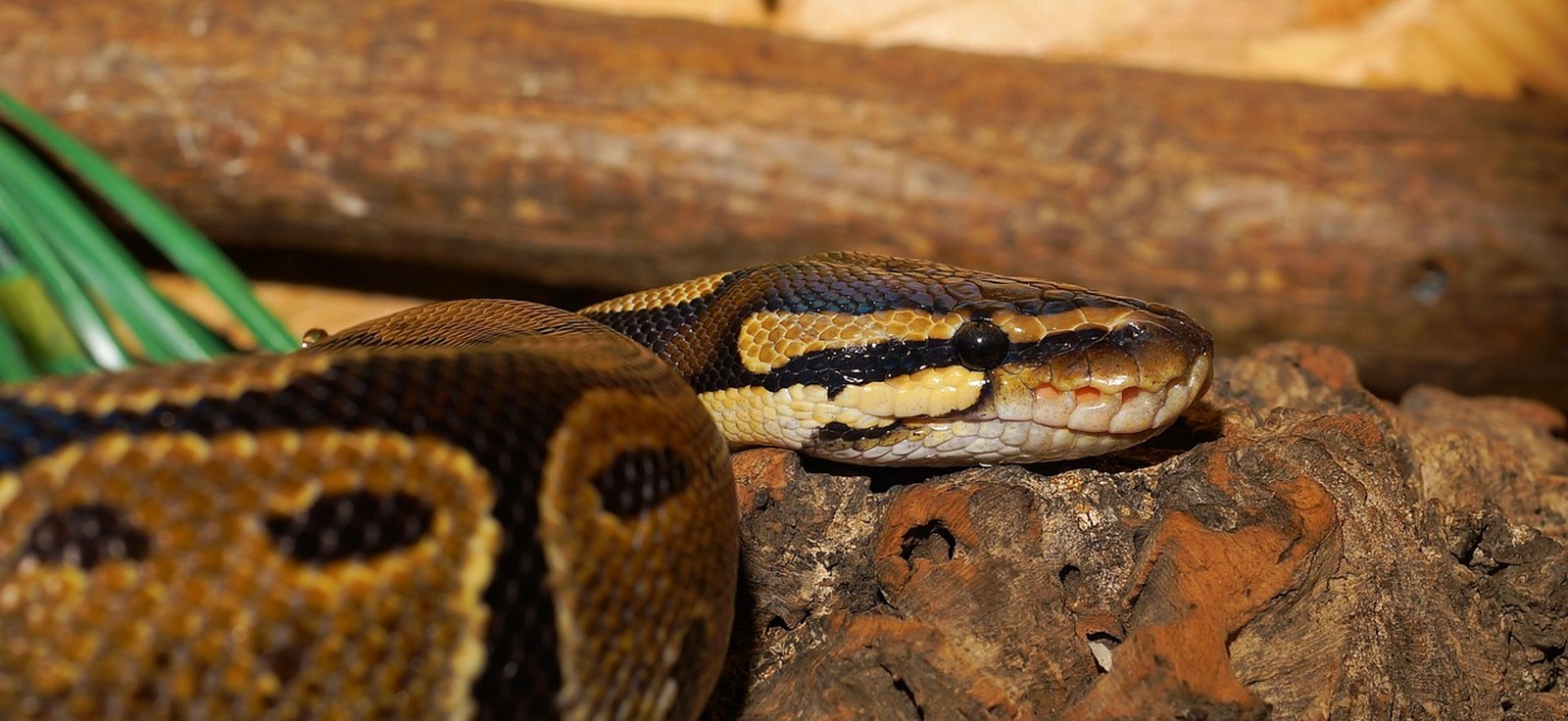
Start by ruling out the enclosure, because a picky label often belongs to a snake that simply cannot digest or does not feel secure. Check the warm-side and cool-side temperatures with a probe or a temperature gun, confirm the reading against the range for your species, and check humidity and hide placement too. A ball python sitting below its warm-side range, or a corn snake with no snug hide at floor level, will often refuse food that the same animal would take eagerly once the setup is corrected. Also rule out a shed cycle: many snakes go off food while their eyes are opaque, and that refusal needs patience rather than new techniques.
Thaw and Warm the Prey Properly
A cold or partly frozen rodent is unappealing and unsafe, so thaw the prey completely in a sealed bag, first in cool water or in the refrigerator, and never in a microwave, which cooks patches and leaves cold spots. Just before offering, warm the thawed prey in warm water until the body feels warm through, at about 100°F (38°C), and dry its surface so substrate does not stick to it. Warmth matters because many snakes key on heat as much as scent: a rodent at room temperature can read as dead scenery, while a warmed one registers as food. Offer the right size as well, roughly matching the widest part of your snake's body; an oversized rodent intimidates shy feeders, and an undersized one may not be worth striking at.
Presentation Techniques That Trigger a Strike
Offer in the evening or at dusk, when many pet snakes are naturally active, and dim the room lights. Hold the prey with long tongs, never with your fingers, and move it slowly in front of and slightly away from your snake, with small side-to-side wiggles that mimic a live rodent pausing and moving on. A gentle tease, brushing the prey lightly past your snake's snout, can trigger a defensive strike that turns into a feed. If your snake watches but will not commit, stop waving the prey around, rest it at the entrance of the hide, cover the enclosure with a cloth, and leave it there for a few hours or overnight. Shy species in particular often eat only once the room is empty and dark.
Scenting, Braining and Other Persuaders
If correct presentation fails across several attempts, change the smell. Scenting means rubbing the warmed rodent with bedding or feathers from another prey animal, such as a chick, so it carries a more interesting scent signature. Braining is the keeper's last-resort version of the same idea: piercing the thawed rodent's skull so a little brain matter shows, which gives off a strong scent that reluctant feeders, including hatchling colubrids and stubborn ball pythons, often respond to. You can also try a different prey colour, a smaller size, or splitting one meal into two smaller items offered in sequence. Change one variable per attempt and space attempts several days apart, because offering nightly stresses a shy snake and teaches it to ignore food cues.
When Refusal Stops Being Pickiness
Track every attempt: date, prey type and size, technique used, and whether your snake struck, ate, or ignored it. A healthy adult snake can skip several meals without harm, but refusal paired with visible weight loss, a prominent spine, wheezing, mouth discharge, mites, or a sudden change in a previously reliable feeder is a veterinary matter, not a feeding puzzle. Take the log with you, because a written record of temperatures and refusals helps a reptile vet rule causes in or out far faster than memory can. KinsLe's Care Teams keeps that attempt log honest when care is shared, since each feeding try and temperature check is assigned to one keeper and marked complete with a timestamp, so nobody repeats a failed technique or offers twice in one evening.