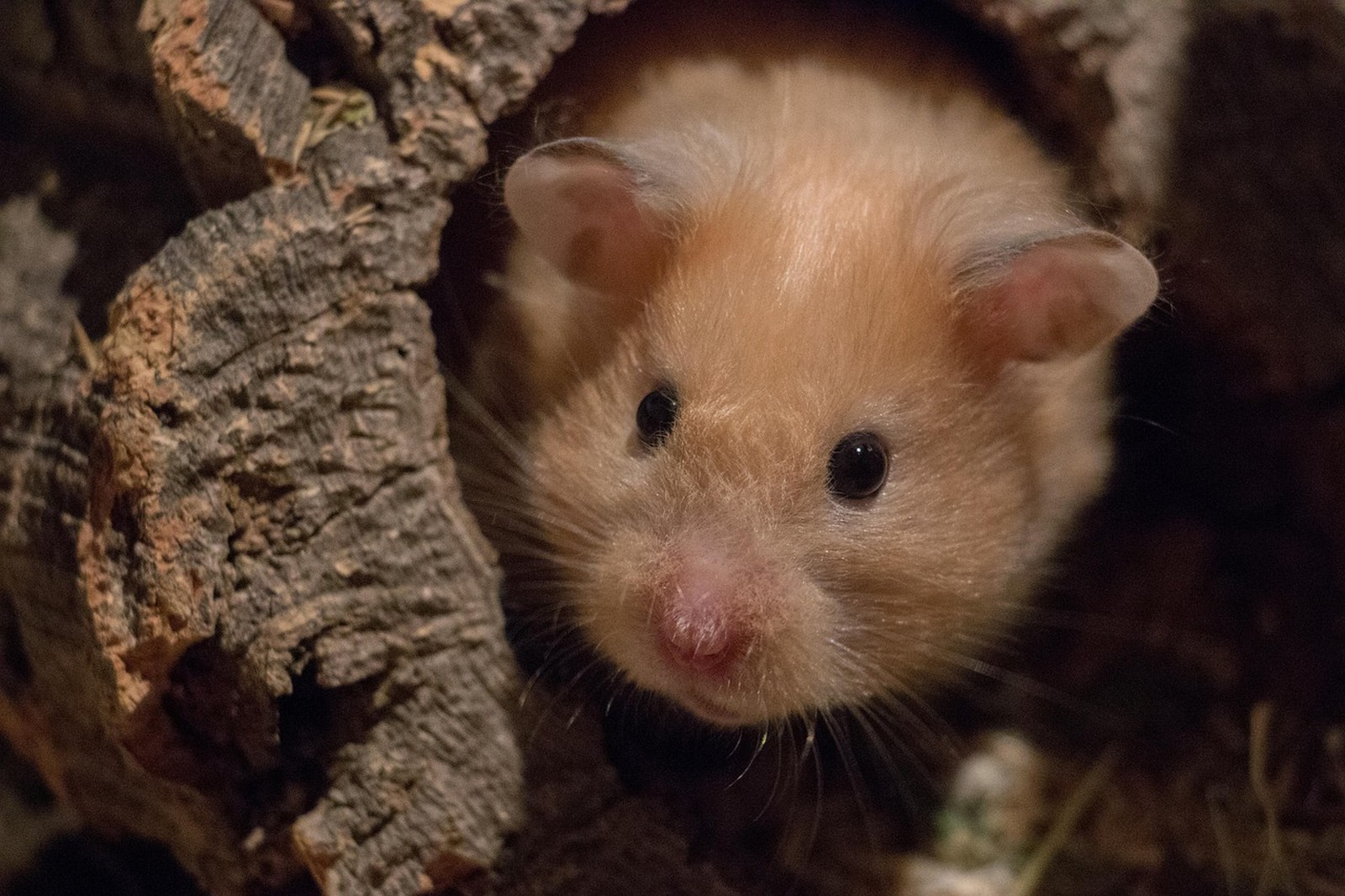
A Syrian hamster who sorts is not being fussy for fun. Presented with a mixed bag, he does exactly what a desert hoarder should do: selects the energy-dense sunflower seeds and sweet pieces first, pouches them, stashes them, and leaves the plainer pieces that were carrying much of the mix's protein, fibre, and micronutrients. The bowl looks eaten; the diet is not. A complete pellet, where every piece contains the same nutrition, only works if he actually eats it — so the transition has to be tactical.
Understand What He Is Leaving and Why
Watch the leftovers for a few days before you change anything. Most sorting Syrians leave the small pellets, plain grains, and dried pieces while stripping out seeds and any sugary items. Check his hoard, too, by gently noting what appears in his nest store, because a hamster who pouches pellets but never eats them is telling a different story from one who ignores them entirely. Weigh him at the start, at the same time of day on small scales, so you have a baseline; an adult Syrian's weight should stay broadly stable through a food change, and a clear downward trend is your signal to slow down.
Raise the Pellet Share in Stages
Blend the foods rather than swapping them overnight, which protects digestion and gives him time to accept the new taste and texture. A workable pattern is roughly three parts familiar mix to one part pellet for several days, then half and half, then three parts pellet to one part mix, then pellet alone, holding each stage until he is eating a reasonable amount of the pellet portion rather than just excavating around it. If a stage stalls, stay there longer instead of forcing the schedule; two patient weeks beat a failed fast switch.
Make the pellet easier to choose. Serve the measured daily ration in the evening when he wakes, with pellets on top and fully visible rather than buried. Do not refill the bowl with fresh mix because the pellets remain — that simply restocks the pieces he prefers and trains him to wait you out. Scatter a little of the ration in clean substrate as well, since foraging for pellets among bedding feels natural to a hamster and often gets new foods tasted almost by accident.
Never Starve a Hamster Into Eating
The hard line is absolute: do not withhold all food until he eats the pellet. Hamsters have fast metabolisms, pouch and hoard food, and can become unwell quickly, and a hunger standoff also hides how much he is truly eating. If he is eating almost nothing, losing weight, becomes lethargic, stops pouching, or shows wet or dirty fur around the rear, return to a mix he will eat and ask a veterinarian familiar with small mammals for advice. Some individuals do better on a high-quality uniform block-style food or a carefully chosen mix fed in measured amounts that must be finished before more is given, and a vet can help you judge the options for his age and condition.
Remove stale hoarded perishables during a weekly clean while leaving his main dry hoard largely undisturbed, because destroying the whole store is stressful and can trigger frantic re-sorting behaviour. Keep fresh water available throughout, and introduce any new treats only after the staple diet is stable, so you can tell what he actually ate.
In KinsLe, Care Teams can record the current mixing stage, the evening ration, and his weekly weight for everyone who feeds him, preventing the classic failure where one person advances the ratio while another helpfully tops up the seed mix.