
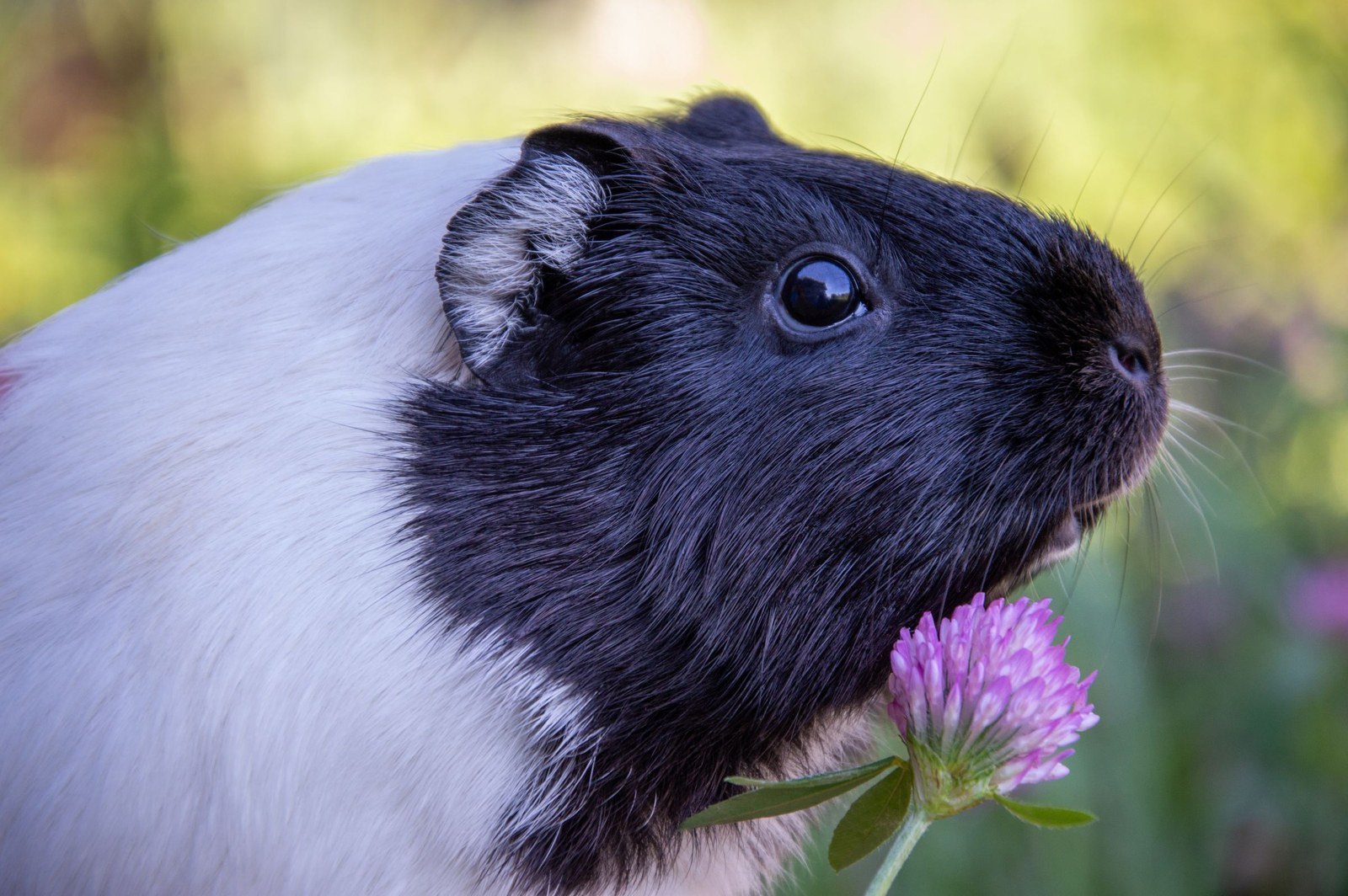
Introduce a new food to a rabbit or guinea pig one item at a time, starting with a bite-sized piece, then wait a full day or two while you watch droppings, appetite, and energy before offering more. That slow pace is not overcaution — for small herbivores, it is the difference between discovering a new favorite and triggering a digestive upset you cannot trace to its cause.
Why Small Stomachs Need a Slow Start
Rabbits and guinea pigs rely on a delicate balance of gut bacteria to ferment the fiber in hay, which should always be the foundation of the diet. A sudden flood of a rich new vegetable — or several new foods at once — can shift that balance, leading to soft droppings, gas, or a pet who stops eating. A rabbit or guinea pig who stops eating is a genuine concern, because their gut needs to keep moving; if your pet refuses hay for many hours or produces no droppings, contact your veterinarian promptly rather than waiting it out.
Going slowly also turns you into a detective with clean data. If you introduce only cilantro on Monday and droppings stay perfect, cilantro is cleared. If you had served cilantro, kale, and carrot together and stools went soft, you would have three suspects and no answer.
The Step-By-Step Method
- Choose one food from a rabbit- and guinea pig-safe list — romaine, bell pepper, cilantro, and zucchini are gentle starting points.
- Wash it well and cut a piece about the size of a postage stamp for a guinea pig, slightly larger for a rabbit.
- Offer it once, ideally alongside the usual hay and familiar vegetables so the meal itself is not a shock.
- Wait 24 to 48 hours. Check the litter box or cage floor: droppings should stay round, dry, and plentiful. Watch that hay eating continues as enthusiastically as ever.
- Build gradually over several days — a little more each serving — until you reach a normal portion, then add that food to the regular rotation before trialing the next one.
For leafy greens, a reasonable regular portion is roughly a packed cup for a guinea pig and a generous handful or two for a rabbit, adjusted with your veterinarian's guidance.
Reading the Signals
Normal droppings are your green light. Soft, misshapen, or dramatically fewer droppings mean stop that food, return to hay and familiar basics, and let the gut settle before trying anything else new. Some foods are famous for causing trouble in quantity — rich greens and sugary items like carrot and fruit should stay occasional even after a successful introduction. And never trial a food you are unsure is safe: skip potatoes, onion family plants, iceberg lettuce, and anything treated with pesticides.
Also introduce foods to young animals extra conservatively, and check age-appropriate guidance with your vet, since babies' digestive systems are still developing.
Tracking Each Trial in KinsLe Messenger
It is surprisingly easy to forget whether the parsley trial was Tuesday or Thursday, or which pig loved zucchini and which one ignored it. KinsLe Messenger works as the per-pet communications hub, so every trial can live right in your rabbit's or guinea pig's own thread — what was offered, how much, and how the droppings looked the next day. Anyone else who feeds your small mammals can read that same history before grocery shopping or meal prep, which prevents accidental double-trials and repeats of a food that caused soft stools. Over a few months you build a reliable, personalized menu for each animal. Keep that dated trial log in the KinsLe Messenger thread so anyone who feeds your rabbit or guinea pig reads the same history before offering the next new food.