
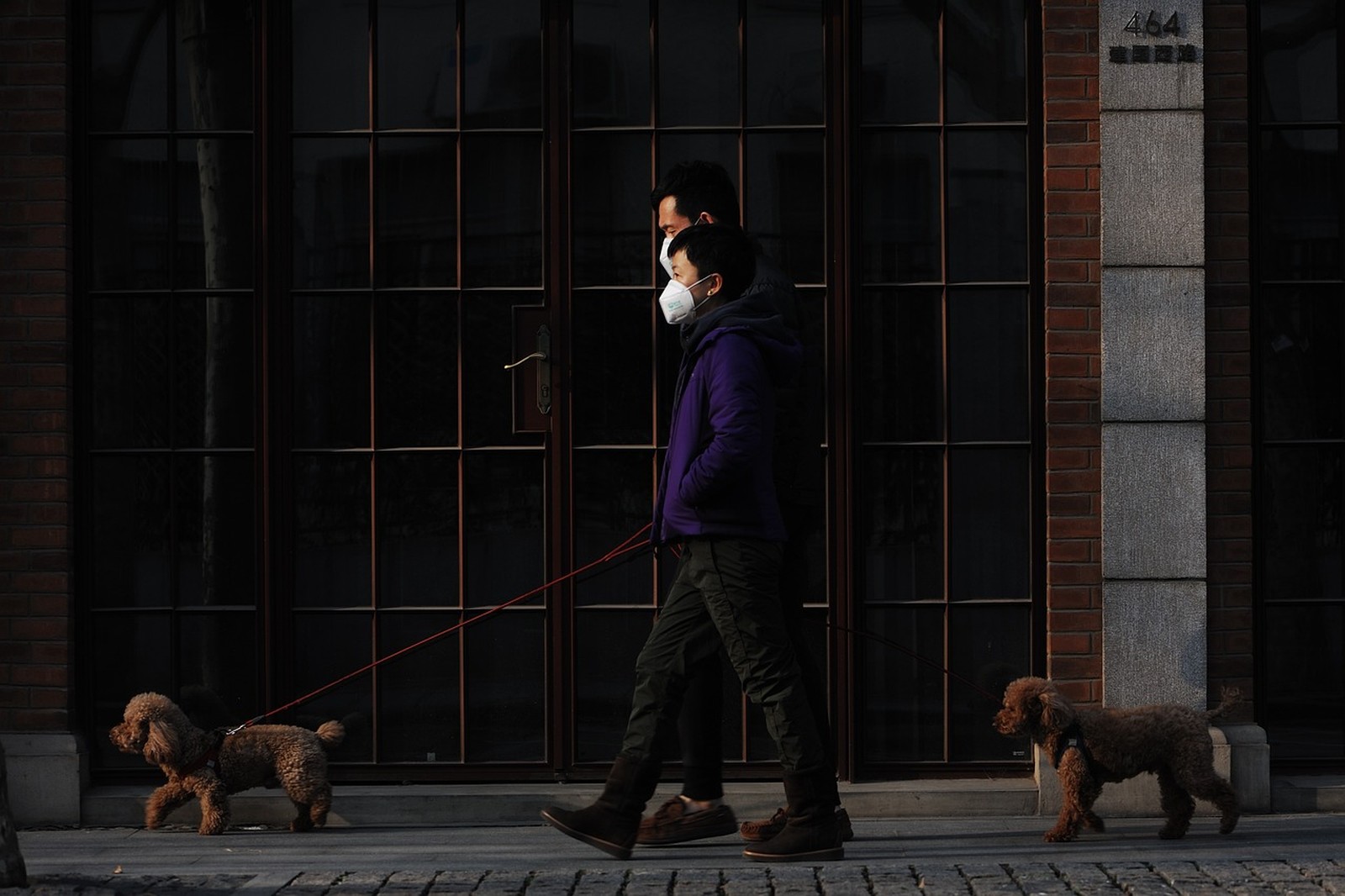
Introduce a second dog gradually: meet on neutral ground with parallel walks, progress to short calm time together, and only then start living together — with separate feeding, separate rest spaces, and one-on-one time preserved for both dogs through the first weeks. Most multi-dog success stories are boring by design. Most disasters come from a front-door introduction, two excited dogs, and a house full of high-value chews.
Stage one: the parallel walk
Skip the face-to-face greeting entirely at first. Walk both dogs in the same direction, far enough apart that they notice each other but can still take treats and look away — across a wide street or field works well. Over 15 to 30 minutes, let the distance shrink gradually as both relax. Repeat on a second day if either dog was stiff, fixated, or lunging. A dog who can walk near another dog, sniff the same world, and stay loose is showing you the foundation of a housemate relationship; nose-to-nose meetings on tight leashes, by contrast, manufacture tension.
Stage two: short visits before the move-in
If possible, follow walks with brief time in a neutral yard, dragging leashes, letting them sniff and disengage freely. Then graduate to your home — yard first, then indoors — with the resident dog's treasures picked up: no bones, favorite toys, or food bowls lying around to argue over. Keep early sessions short and end while things are still pleasant. Watch for genuinely good signs: play bows, loose curved bodies, taking turns, and — just as important — both dogs choosing to ignore each other sometimes. Indifference is gold.
The first weeks at home
Structure is everything while the relationship is new:
- Feed in separate rooms or crates, and pick bowls up afterward
- Give chews only when separated — high-value items are the classic trigger
- Keep two rest spaces, and let each dog retreat without being followed
- Walk and train each dog solo sometimes, so individual confidence and your bond with each stay strong
- Supervise all shared time; when you can't watch, separate them without guilt
Mild friction — a grumble over a spot, one dog shadowing the other — is information, not failure. But repeated fights, guarding that escalates, or one dog becoming withdrawn means slowing down and bringing in a certified trainer early, before patterns harden.
Special cases worth extra care
Age and size gaps need management: a boisterous adolescent can overwhelm a senior, so build in senior-only rest time as a standing rule. Same-sex pairs and pairs of similar age sometimes need more deliberate supervision as they mature. And if your second dog is arriving from a shelter or a previous home, expect a decompression period — many dogs need days of quiet routine before their real personality, playful or anxious, shows itself.
Bringing the new dog's history home with them
A rehomed dog shouldn't have to lose their medical past in the move. With KinsLe's Transferrable Profiles, a dog's existing profile and records can move to you as the new owner instead of starting from a blank page — vaccines, quirks, and history intact, which your vet and both dogs will appreciate. Before the first shared walk, ask the shelter or previous owner to complete the handover, since Transferrable Profiles on KinsLe move vaccine dates and known quirks to you alongside the dog.