
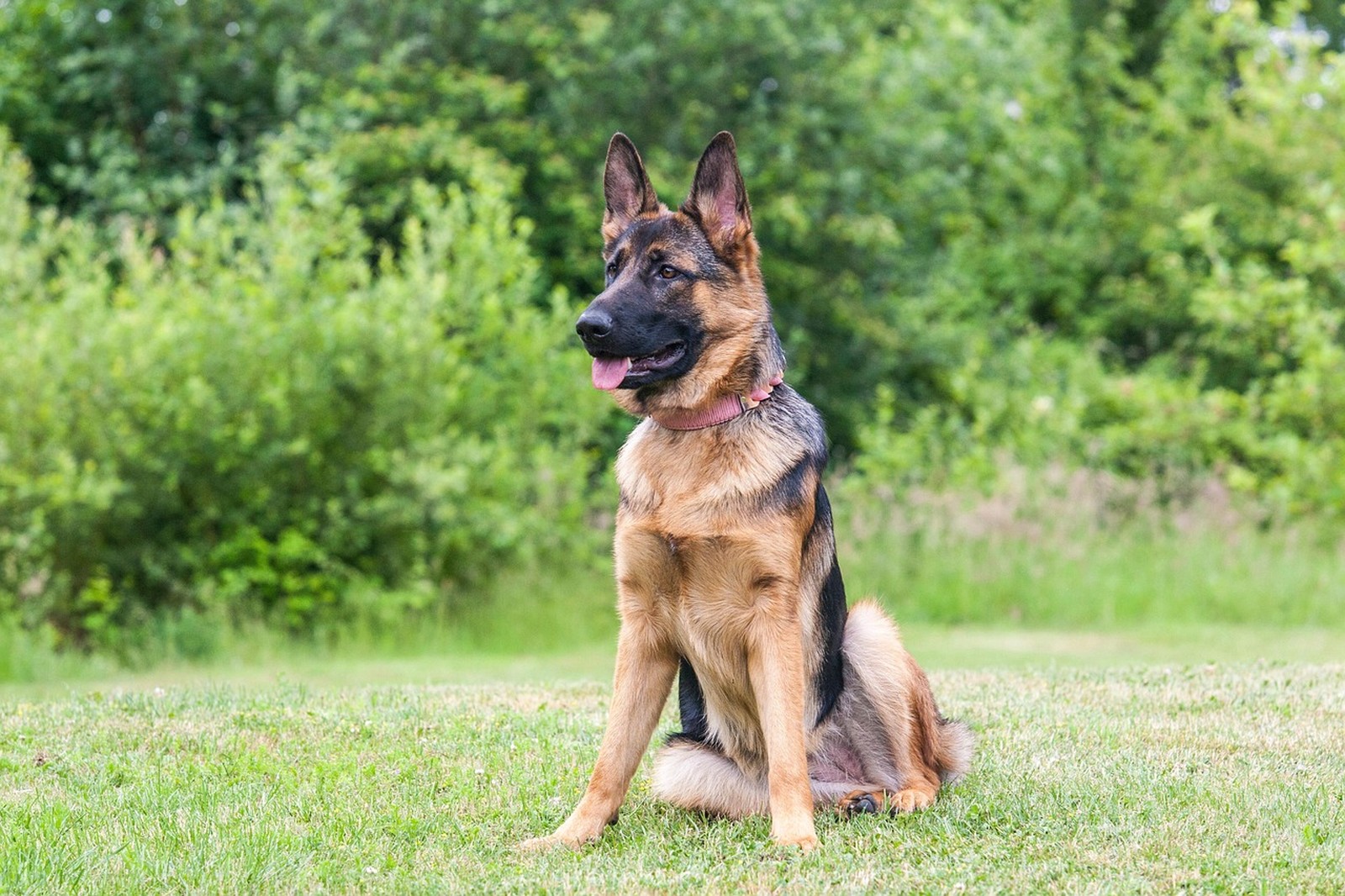
Why the Double Coat Helps More Than It Hurts
A double-coated dog — a husky, shepherd, retriever, or similar breed — carries a soft, dense undercoat beneath longer guard hairs. That pairing traps a layer of air next to the skin, and trapped air insulates in both directions: it slows heat getting in during summer just as it slows warmth escaping in winter. The guard hairs also shade the skin itself. Shaving strips both jobs away, exposes pale skin to sunburn, and removes the dog's own temperature buffer at exactly the moment he needs it.
There is a longer cost too. Clipped double coats often regrow patchy, with undercoat racing back faster than guard hairs and matting into a denser, less breathable felt than the original. Vets and groomers see dogs who were shaved once and never quite regained a normal coat. Unless a vet advises clipping for a skin condition or a mat is too severe to work out, the coat should stay.
Remove the Loose Undercoat, Keep the Structure
What does make a double-coated dog hot is a packed, shed undercoat that has not been brushed out. Dead hair lodged in the coat blocks airflow and holds heat like a blanket. Through summer, brush in short, regular sessions with an undercoat rake or slicker, working in sections down to where you can part the hair and see skin. During peak shedding, a professional groomer's de-shedding bath and blow-out clears far more loose hair than home brushing alone, and it does so without touching the guard coat's length.
Check the trouble spots while you brush: behind the ears, the armpits, the chest ruff, and where a harness sits. Mats in those places pull, trap moisture against the skin, and create the hot, irritated patches owners then feel tempted to shave. Teasing a small mat out early is always kinder than clipping a large one later.
Shape the Summer Day Around the Coat
Walk early and late, when pavements are safe for paws and the air itself is cooler, and let midday be for a brief shaded toilet break. Offer water before and after exercise, keep a cool indoor resting place with airflow — a tiled floor, a raised bed away from sunny glass — and never leave your dog in a parked car, where temperatures climb dangerously within minutes even with a window cracked.
Cooling help should support the coat, not soak it carelessly. A dampened belly and paws, a shallow paddling pool your dog can choose to stand in, and frozen treats all help. Avoid draping heavy wet towels over a thick-coated dog and leaving them there; once the towel warms, it adds another insulating layer. If your dog pants heavily, drools thick saliva, staggers, or seems disoriented, stop, move to shade, cool gradually with water, and contact your vet promptly — heatstroke escalates quickly.
Make Brushing and Checks a Shared Job
Summer coat care fails when it depends on one person remembering an occasional marathon grooming session. Short, frequent brushing shared across the household keeps the undercoat clear and doubles as a skin check for parasites, lumps, and sore spots hidden under all that hair. Using KinsLe Care Teams, those brushing sessions, dawn walks, and evening water-and-shade checks can be assigned per person, with each completed task marked by a timestamp so nothing in your double-coated dog's summer routine quietly slips.