
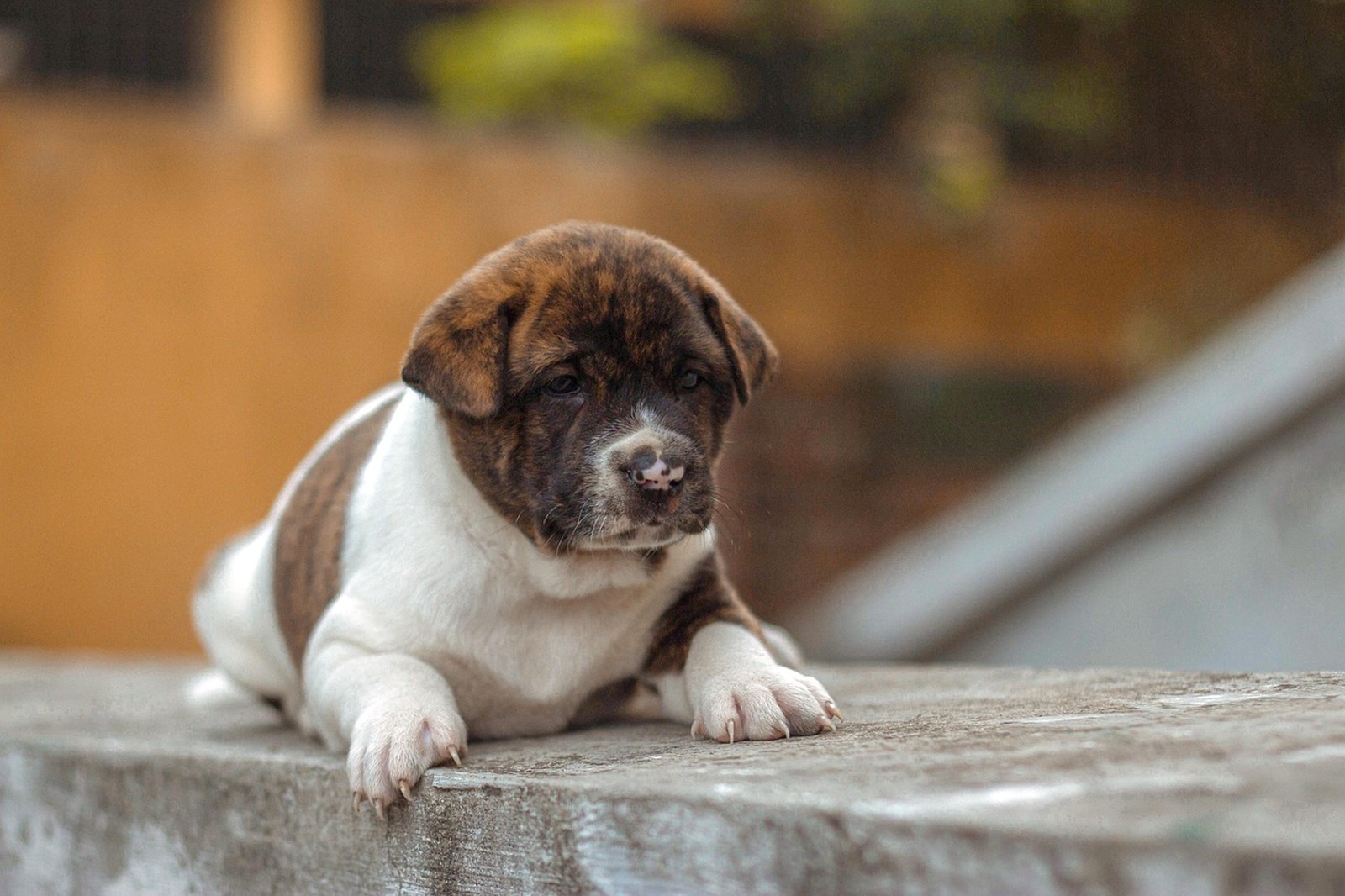
Why Dogs Get Pushed Out When a Baby Arrives
Nobody decides to exclude the dog; it happens by drift. Feeding moves to odd hours because nobody is free at the usual time, walks shrink to the garden, the dog is shut out of rooms he used to wander, and weeks of being shooed away from the interesting new smell teach him that the baby means loss. A dog who was the household's centre can become anxious, attention-seeking or withdrawn — not from jealousy in the human sense, but because his predictable world stopped being predictable at exactly the moment strange sounds, smells and visitors flooded in.
Set Up His Place in the New Layout Early
Before the baby comes home, decide where his bed, food and water will live in the reorganised house and move them there gradually, so the change reads as an upgrade, not an eviction. His bed belongs somewhere he can watch family life without being in the thick of it — a corner of the living room beats exile to a utility room. Practise settling there with a chew while baby sounds play quietly and people move around. Sort the physical boundaries now: gates or a closed door for the nursery, a rule that his bed is a no-go zone for crawling hands later, and a lead and treat pot kept where introductions will happen.
The Introduction and the First Weeks
Let him smell a worn baby blanket or item of clothing before he ever meets the baby, rewarding calm interest. The first meeting works best when he has been walked, the room is quiet, and he comes in on a lead to sniff the air at a distance while the baby is held — praise and treat relaxed behaviour and looking away, and keep it to a few minutes. Never hold the baby down to his face, and never leave them together unsupervised at any point, even asleep on the sofa next to each other. In the early weeks, greet him when you come home before the fuss over the baby where you can, and let him be present, settled on his bed, during feeds rather than shut out of every baby moment.
Routines That Keep Him in the Family Story
Anchor the day to two or three dog moments that survive any baby chaos: a morning walk that happens even if it is shorter, an evening play or training game, a grooming brush while the baby naps. Visitors can help — a guest who throws his ball for ten minutes gives him attention that costs you nothing. Feed him at consistent times and in his own spot away from the baby's floor space, and keep his training cues ticking over so his brain stays employed. Watch for the quiet signs of a dog losing his place: appetite changes, clinginess, destructive chewing that is new, or avoiding rooms altogether, and respond by rebuilding routine rather than scolding.
Make His Care a Whole-Household Habit
Exclusion usually starts as a missed walk nobody noticed. Put his non-negotiables where every adult can see them — who walks him on night-feed days, when he was last fed, which room rules apply. With KinsLe, Family Sharing holds that shared picture of his routine in his profile, so a partner, grandparent or friend stepping in sees the same walk, feeding and settling notes you do, and he stays a member of the household instead of an afterthought.