
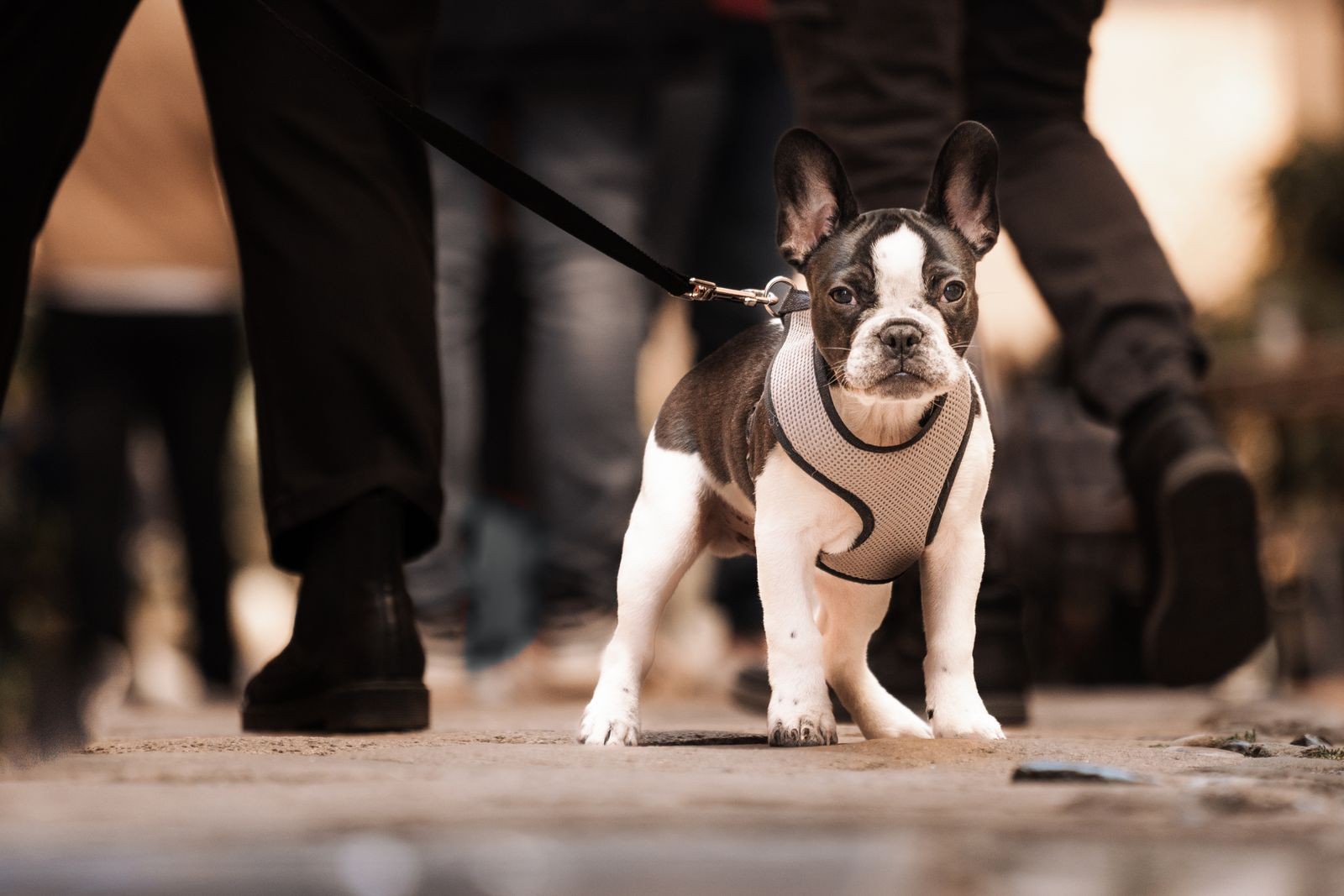
Keep the order of your dog's day the same even when the clock times shift — that sequence is what most dogs actually rely on. If the usual pattern is walk, then breakfast, then rest while you leave, keep that order on a new schedule instead of feeding first just because you woke up earlier. Dogs read patterns far more than they read clocks, so preserving the chain of events keeps the day feeling predictable even when everything around it has moved by an hour or two.
Why sequence matters more than exact timing
A dog who always gets a walk before a meal learns to settle after the meal, because rest has always followed that combination. If you suddenly swap the order, you can end up with a dog who is restless after eating, pacing for the walk he still expects. The same applies in the evening: play, dinner, last potty trip, then bedtime tells a clear story. When you change jobs, start school runs at a new time, or shift to night work, protect that story. Times can flex by 30 to 60 minutes without much fuss for most healthy adult dogs, but skipping a step entirely — no morning walk at all, for example — is what creates anxiety, accidents, and demand barking.
Shift gradually when you can
If you know a change is coming, move the routine in small steps over five to seven days. Walk 15 minutes earlier each morning, push dinner back by the same amount, and move your departure cue — shoes, keys, bag — along with it. Practice the new departure on a weekend when you are not actually stressed. Leave a stuffed food toy as you step out, return quietly, and build up. Puppies, seniors, and dogs on medication for a health condition have less flexibility, so keep their potty breaks and feeding intervals especially steady and check with your veterinarian if you need to move medication timing.
For an abrupt change you did not plan, keep the first and last parts of the day as close to normal as possible. A familiar morning walk and a familiar bedtime routine anchor the day even if midday looks completely different for a while.
Fill the new gaps with real help
Look honestly at the new schedule and name the gap. Is it now a nine-hour stretch with no potty break? A missed afternoon walk three days a week? Once the gap is specific, it is easier to solve: a neighbor for a Tuesday let-out, a walker for the long days, or a partner swapping lunch breaks. Tell helpers the exact order you use — harness, walk route, water refresh, then the chew in the crate — so your dog gets the same sequence no matter who is handling it. Consistency from helpers matters more than perfection.
A simple written routine on the fridge helps everyone: wake-up potty, walk, breakfast, rest, midday break, play, dinner, last walk. Update it as the new schedule settles rather than assuming everyone remembers the change.
Watch for signs the routine is not working
More chewing, house soiling in a previously reliable dog, loss of appetite, or clinginess in the hour before you leave are signals to adjust, not failures to punish. Add back a potty opportunity, shorten the longest alone stretch, or make the departure lower-key. If stress signs persist for more than a couple of weeks, or your dog stops eating, a check-in with your veterinarian or a qualified trainer is worthwhile.
How KinsLe Care Pass helps during a schedule change
When someone new needs to cover a slot, KinsLe's Care Pass lets you share a temporary, scoped link for your pet — the helper does not need an account or the app to see what your dog needs and when. You can share the feeding, walking, and settling details for just that coverage window, which keeps handoffs clear without handing over your whole profile. It is a practical way to keep the sequence steady while your own hours are in flux. For that one Tuesday slot, give your neighbor time-boxed access only through the Care Pass on KinsLe.