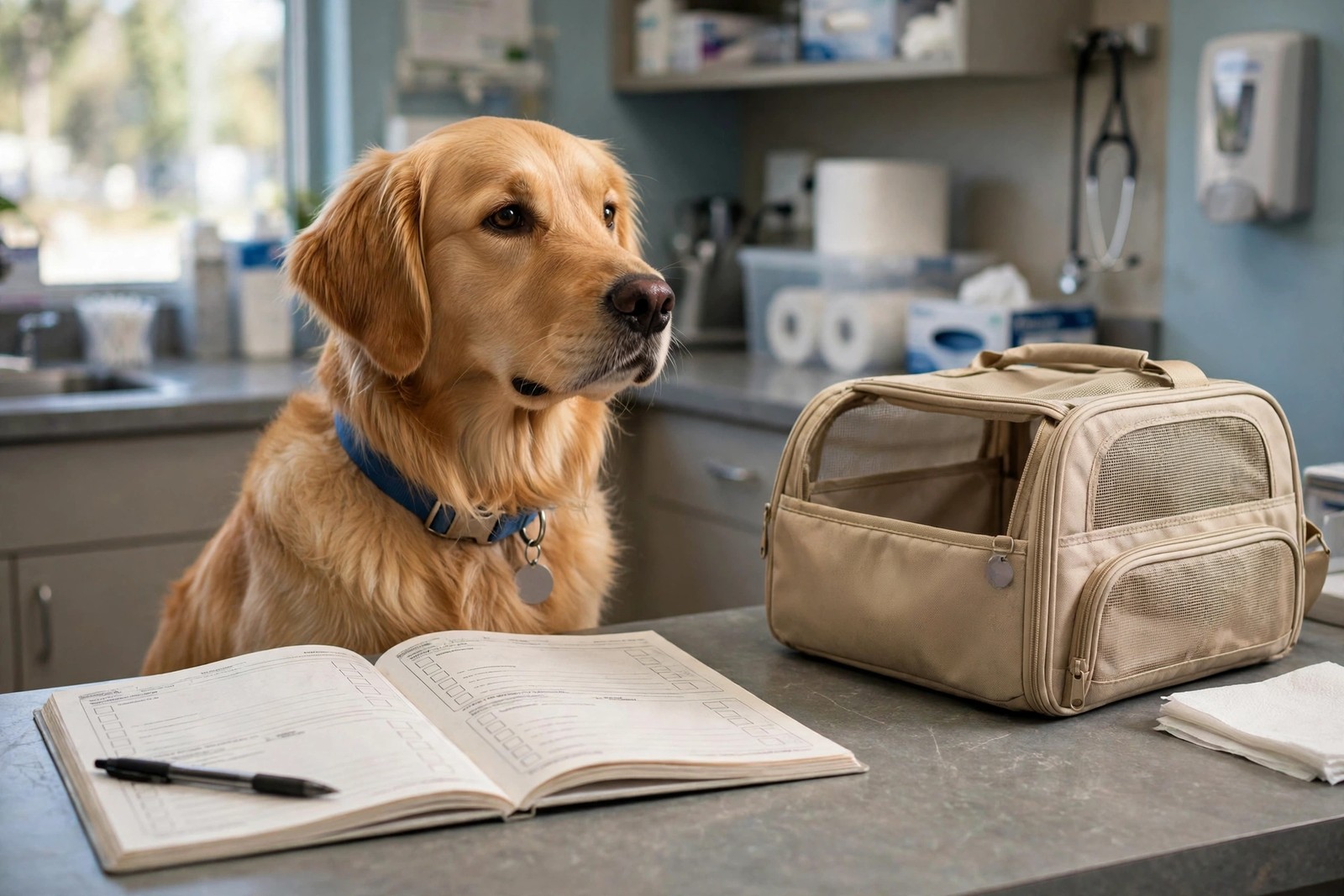
Months of travel break prevention schedules quietly, through a booster that falls due in a town with no appointment, a record left at a clinic three stops back, or a due date remembered a month late. One master record that you own prevents all three. Record exactly five fields for every item given: the vaccine or preventive name as the clinic printed the name, the date given, the clinic name and town, the due date the clinic set, and any reaction notes from that day. Update the record on the day of each appointment, while the printed paperwork sits in front of you, and photograph that paperwork as a backup before the paper copy fades, creases, or vanishes into a glovebox.
Map Due Dates Against the Route Before You Leave
Sit with your home clinic before a long trip and read the record forward. Which boosters fall due during the trip, which can be given shortly before departure under the clinic's own judgement, and which will need a clinic on the road? Write the answers into the due date field for each item, town by town where your route allows, and book the first away-from-home appointment before you leave home soil. Ask the home clinic what a new clinic will need from you, and ask how records should flow back, so the home file stays complete when you return. Rules for entering particular places, boarding kennels, and day care vary, and paperwork checks on a travel day go smoothly when certificates sit with the record rather than in a folder at home. That preparation also protects the schedule itself, because a due date planned around a ferry crossing or a remote stretch stops being a surprise.
Run the Same Entry at Every Clinic on the Road
Whichever clinic you visit, leave with the five fields completed. A worked entry follows those fields in the same order: vaccine or preventive name as the clinic printed the name; date given; clinic name and town; due date the clinic set; reaction notes from that day, entered as 'none' on an uneventful day so the field reads as checked rather than forgotten. Ask for the printed record before you pay, read the due date back to the receptionist while you can still query the date, and add any reaction that develops later that day to the same entry, with the time the reaction appeared and the advice the clinic gave when you phoned. When clinics differ in the products or intervals each clinic uses, record what was actually given rather than what you expected, and let your home clinic reconcile any differences at the next visit instead of adjusting the schedule yourself mid-trip.
Watch the Days After Each Appointment
Note energy, appetite, and the injection site across the day or two after any vaccination, wherever you happen to be staying. Sleepiness and a small, firm swelling at the site are commonly reported and usually settle, while facial swelling, repeated vomiting, collapse, or laboured breathing call for urgent veterinary help nearby rather than a drive back toward a familiar clinic. Keep the number of an emergency clinic for each stop in the same place as the record, and tell any clinic you visit about reactions recorded in earlier entries before the next item is given. Kept current at every stop, the master record means no clinic has to guess at your dog's history and no due date depends on memory. Carried in one place through every town, that record sits ready inside Pet Passport from KinsLe.