
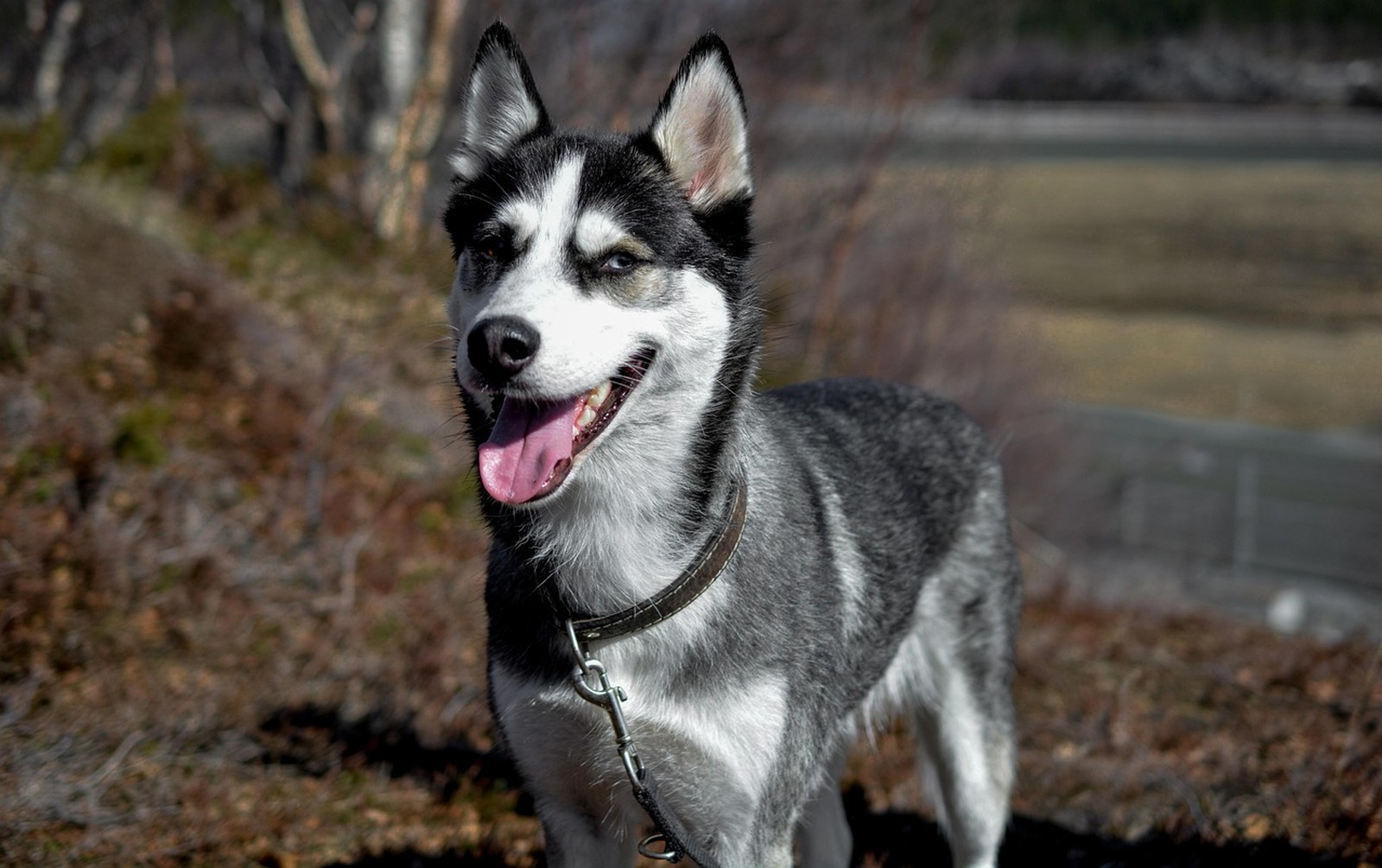
A Coat Built for Snow Meets a Heatwave
A Siberian Husky carries one of the most effective insulating coats of any breed: a soft, dense undercoat under longer guard hairs. In winter it holds warmth in; in summer that same layer slows heat reaching the skin, which is why shaving a Husky is a mistake — it strips his insulation, exposes light skin that burns easily, and the coat often grows back unevenly. His real vulnerability in a heatwave is different. Huskies are bred to run, and many will chase, dig, and race around a garden long past the point where they should rest. A dog built for distance in the cold can overheat through sheer enthusiasm in summer, especially on humid days when panting clears heat poorly.
Keep the Coat, Lose the Loose Undercoat
Brush him thoroughly and often during hot weather, working out the loose, shed undercoat so air can circulate through what remains. A coat packed with dead hair acts like a felt blanket; a groomed one breathes far better. Bathing is fine if he enjoys it, but the daily habit that matters is that brushing session in a cool room, which doubles as a chance to check his skin. Between grooms, give him choices: a shaded patch of damp earth he is allowed to dig in, a shallow paddling pool to stand in, and a cool indoor floor. Huskies often dig a hollow in shaded soil to lie in because the earth below the surface stays cool — providing a permitted digging spot saves your flowerbeds and serves the same instinct.
Exercise on a Heatwave Schedule
Move walks and any running to the very start and end of the day, keep them shaded and unhurried, and carry water for him as well as yourself. Pavement that feels merely warm to your hand can still be punishing across a long walk, so favour grass and woodland paths. Replace midday exercise with things that occupy a Husky brain without raising his temperature: frozen treats to work at, scent games in a cool room, and short, calm training refreshers indoors. If he is a puller who surges on the lead, keep outings especially controlled, because sustained pulling is hard physical work. Garden time should be supervised and time-limited, with a door open so he can come in — do not assume he will choose rest over excitement on his own.
Water, Rest, and the Midday Shutdown
Set out large bowls of fresh water indoors and in the shade outside, refresh them often, and add ice cubes for him to fish out if he enjoys them. During the hottest hours, bring him in, close curtains on the sunny side, and let him sprawl on the coolest floor he can find. Fans help move air, but a Husky who is restless, panting constantly, or seeking cool surfaces is telling you the room itself is too warm — move him somewhere cooler rather than just aiming a fan at him. Never leave him in a car, and be wary of hot conservatories, sheds, and tents that heat up like greenhouses.
Warning Signs in a Dog Who Hides Effort
Because Huskies push on, watch for the change rather than waiting for collapse: panting that stays heavy after rest, a tongue lolling wide and dry, thick drool, unsteady movement, vomiting, glazed eyes, or sudden disinterest in everything. If he shows these, move him to shade, wet his belly, neck, and paws with cool water, offer small drinks, and contact a vet promptly — a big, fit dog who has badly overheated needs professional help, not just a lie-down.
Sharing the Checks So They Actually Happen
In a busy household, water bowls and shade checks are exactly the jobs everyone assumes someone else did. KinsLe Care Teams turns your Husky's heatwave routine into assigned duties — morning brush-out, midday water refresh, evening cool walk — with each completed task marked by a timestamp, so you can see at a glance that he has been looked after, not just meant to be.