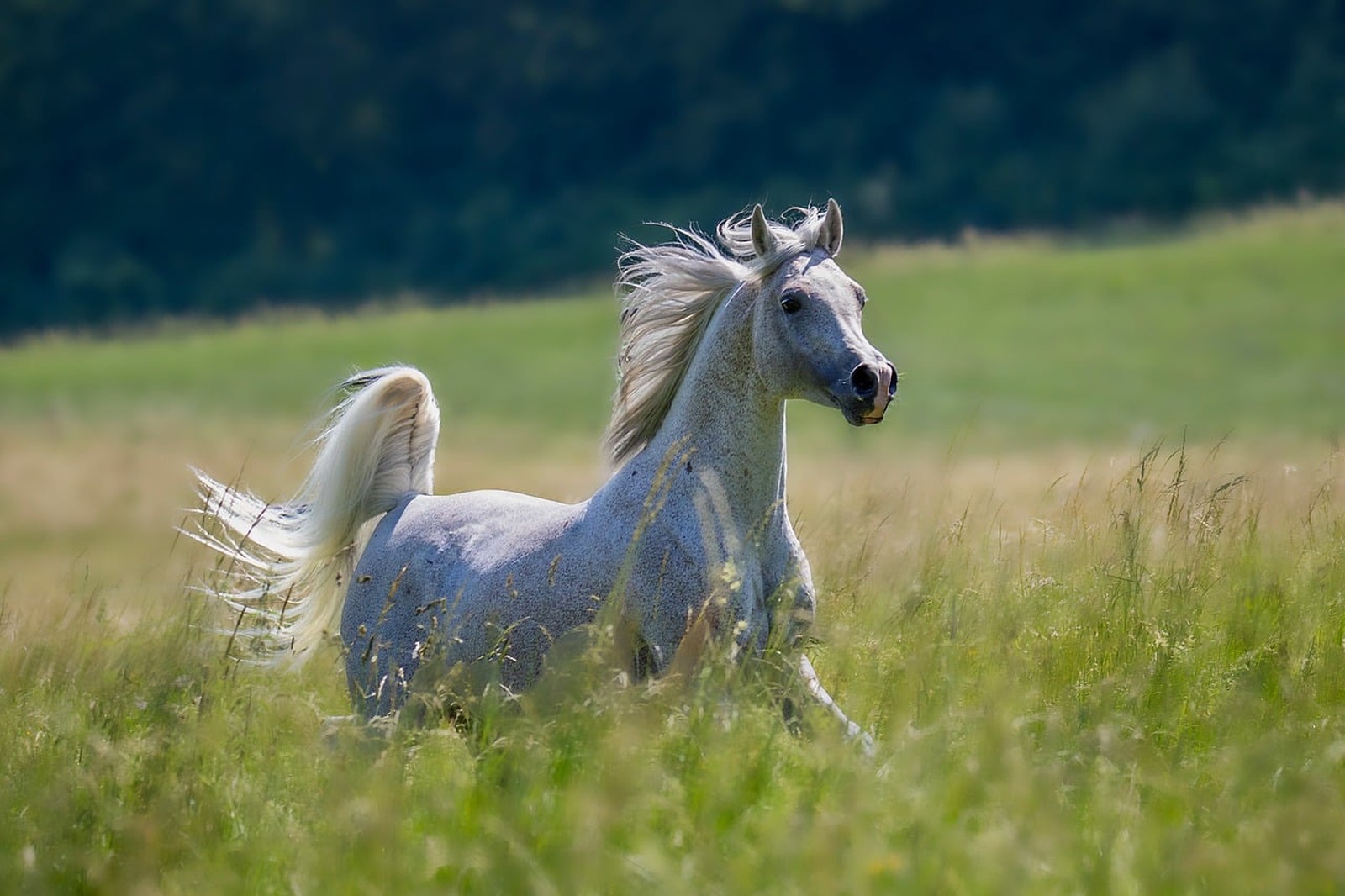
White legs and socks on a grey horse show everything: stable stains turn them yellow-green, mud bakes them brown, and grass marks them through the summer. You will not keep them show-white every day, and chasing that standard with constant harsh washing damages the skin underneath. The realistic goal is a daily routine that stops stains setting, protects the heels where the real problems start, and leaves you one good wash away from smart when it matters.
The Daily Routine: Dry Mud Off, Fresh Stains Out
Dried mud should be brushed off dry, with a stiff brush and then a softer one, because hosing wet mud around a leg grinds it deeper into white hair and soaks skin that then has to dry. Stable stains are different: the yellow-green staining from bedding soaks in and darkens the longer it sits, so wash a fresh stable stain out promptly with warm water and a horse shampoo, working the lather through the stained hair and rinsing until the water runs clear. Dry the legs thoroughly after any wash, with a clean towel and time in a dry stable, and pay particular attention to the back of the pastern and the heel, where moisture lingers longest in the feather and the folds of skin.
Protect the Skin: Heels, Mud Fever and Daily Checks
Clean legs are a health routine as much as a cosmetic one. Mud fever develops in wet, muddy conditions when skin at the heels and pasterns stays damp and softened, then cracks and scabs; white, pink-skinned legs deserve a close daily look because early redness shows clearly on them if you actually look. Run your fingers down the back of each pastern as you brush, feeling for scabs, heat, swelling or soreness, and pick dried mud out of the heel gently rather than tearing scabs away. Keeping heels clean and thoroughly dry after washing, avoiding leaving legs wet under bandages, and minimising standing in deep mud all reduce the conditions the problem thrives in. If you find cracked, weeping or swollen heels, or the horse resents the leg being handled, stop the cosmetic routine and ask your vet, because an infected heel needs treatment rather than whitening shampoo. Barrier creams made for turnout can help some horses in muddy fields, applied to clean, dry legs; ask your vet what suits your horse's skin if mud fever recurs each winter.
Show Preparation: Wash Early, Chalk Late
For an outing, do the main wash the day before, not on the morning: shampoo the white legs thoroughly, rinse well, dry them completely, then apply clean stable bandages or wraps over the dry legs overnight so bedding cannot restain them while the horse lies down. Check the bandages sit smoothly with even pressure and remove them in the morning to reveal legs that need only finishing. On the morning itself, brush out any overnight dust, then use chalk or a whitening touch-up product on the white markings for the final brightness, applied sparingly and brushed through so it looks like clean hair rather than powder. Keep a damp cloth and a dry towel at the lorry or trailer for the warm-up, because one muddy patch between the stable and the ring is the usual last-minute stain, and a quick wipe while the mark is fresh is far easier than a second wash.
Share the Daily Leg Routine Explicitly
Leg care slips when it is everyone's job in general and no one's in particular, and with white legs a missed week of heel checks can mean a sore horse as well as a stained one. Put the daily brush-off, stain wash and heel check on the yard rota with a name against it. KinsLe's Care Teams lets you assign that daily leg wash and heel check to a named helper for this horse, and each completed check is marked complete with a timestamp, so clean legs and healthy heels both survive your days away from the yard.