
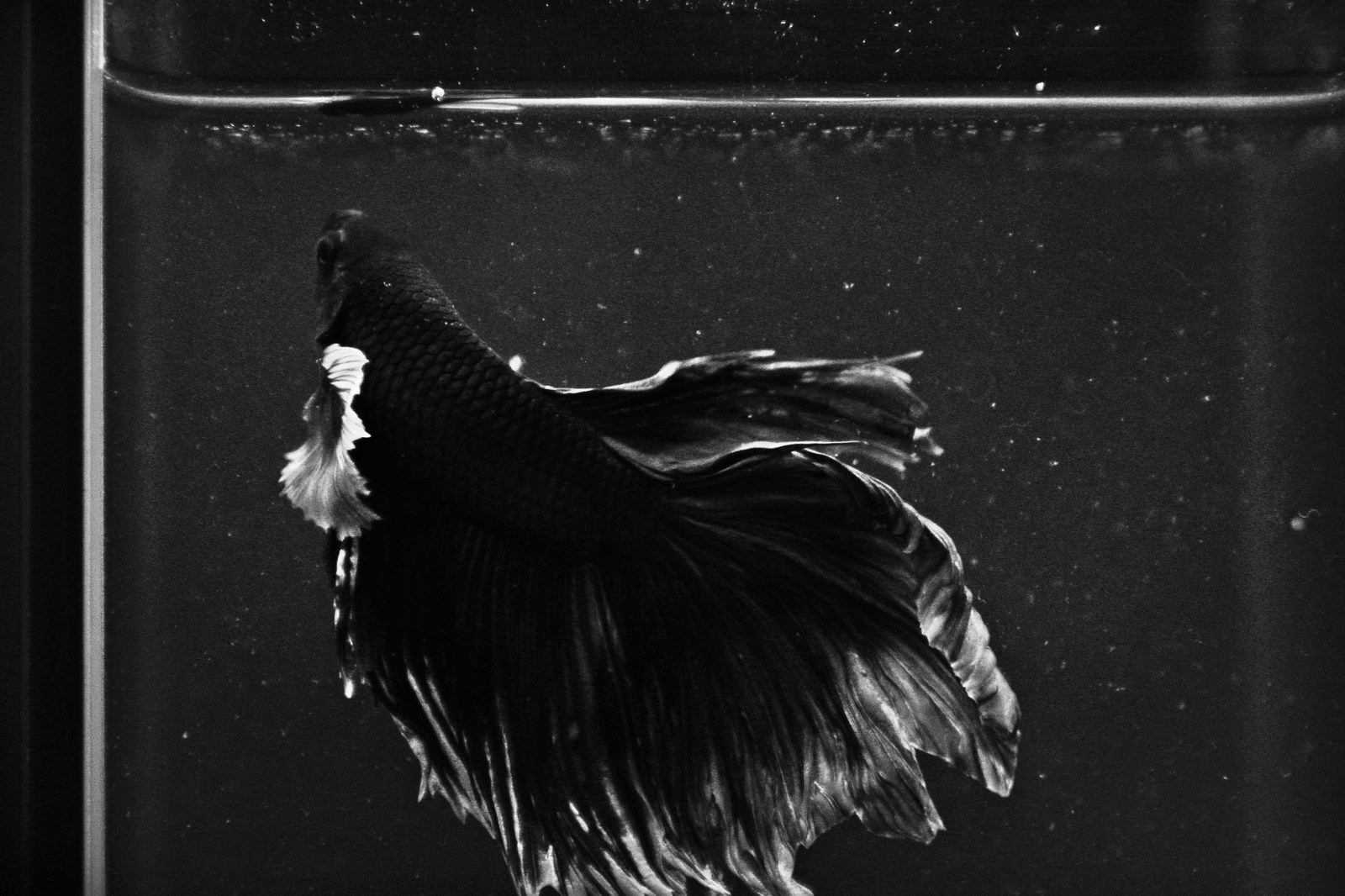
It depends on what kind of white spot you're seeing. A single mark on one fish — especially if you noticed it right after netting, decor rearranging, or a rough encounter with a tankmate — may simply be a minor injury or a bit of healing tissue. But multiple small white spots appearing across fins and bodies, especially if fish start rubbing against decor or plants, or if their fins look clamped, is a classic warning pattern that deserves prompt attention. Context and speed of spread are everything.
How to read the signs
Grab your phone and take clear photos first — close-ups of the spots, the whole fish, and the overall tank. Photos let you track whether the spots multiply and give a veterinarian something concrete to review.
Now observe. Is the fish scratching or "flashing" against gravel and decor? Are the spots spreading to tankmates? Are fins held tight against the body, or is appetite dropping? Multiple spots plus scratching plus clamped fins is the combination that most often signals a contagious problem. A solitary spot on a fish that eats eagerly, swims normally, and shows no behavior change is far less urgent — but still worth photographing and watching for a few days.
What to do before you treat anything
Test your water immediately and log the results — ammonia, nitrite, nitrate, pH, and temperature. Poor water quality weakens immune systems and can mimic or worsen the signs of disease. Resist the urge to dose the whole tank with a remedy on day one. Blind treatment can stress healthy fish, damage beneficial bacteria, and make a vet's eventual diagnosis harder.
Instead, check whether other fish show the same signs, keep the water pristine with a partial water change if parameters are off, and consider moving clearly affected fish to a hospital tank if one is available. If spots spread, scratching increases, or fish stop eating, get professional advice rather than experimenting with one product after another.
Getting expert eyes on it
Aquatic veterinarians can tell an injury from a contagious condition and advise on the right course of action — something a product label never can. KinsLe's Pet Services Directory helps you find a vet or aquatics specialist near you, so those photos and symptom notes you've logged can be reviewed by someone qualified quickly. When spots are spreading or fins stay clamped, use the Pet Services Directory on KinsLe to locate an aquatics veterinarian nearby who can judge injury against contagion from your photos, water readings, and notes on behavior.