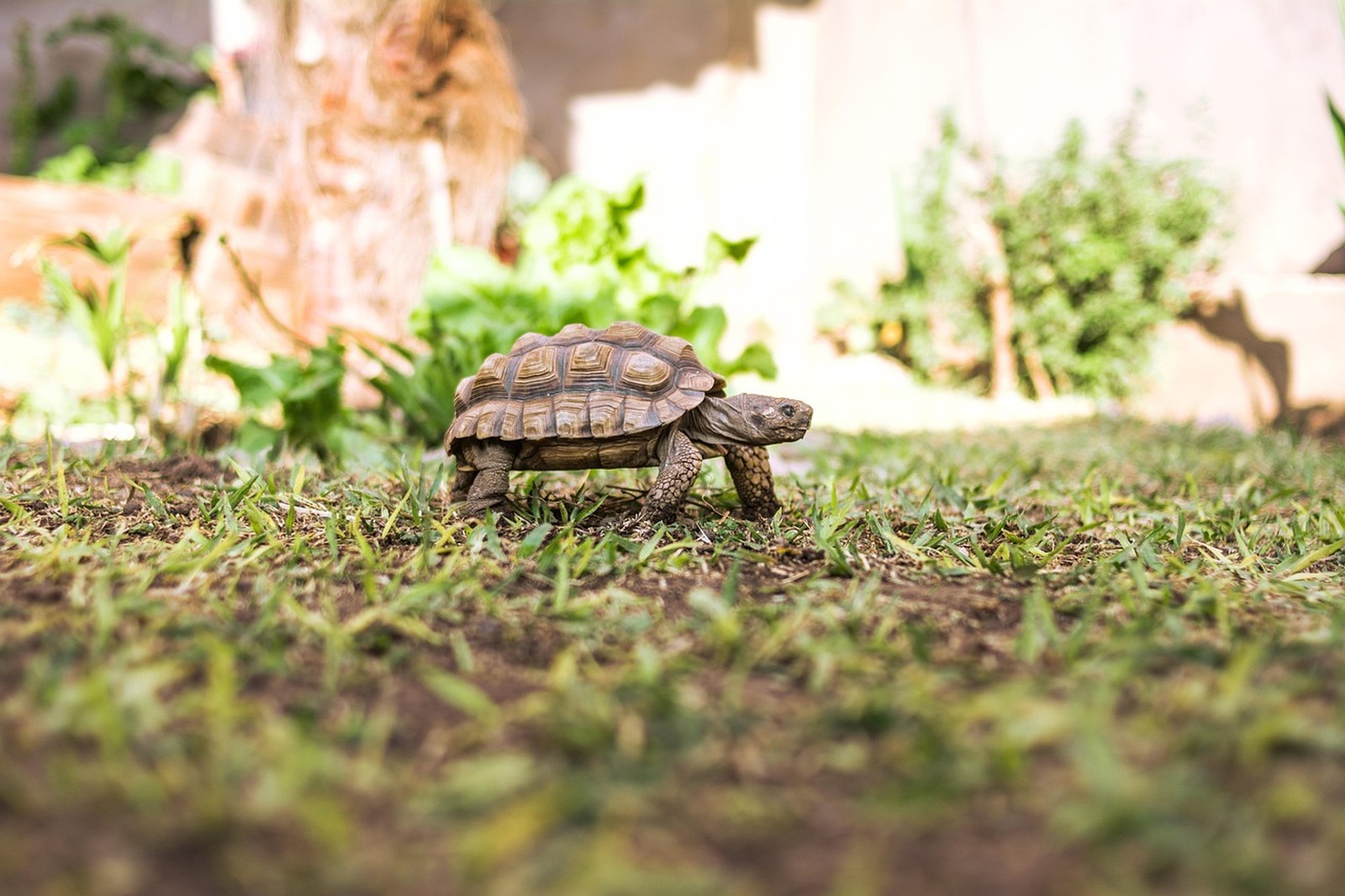
Hibernation, properly called brumation in reptiles, is not a default winter setting. It is a demanding state that a healthy, well-fed tortoise of a hibernating species can pass through safely, and that a sick, underweight, or wrongly chosen tortoise may not survive. The decision comes first, and the preparation comes second: species first, health and weight second, and a gradual wind-down last. If any of those checks fails, the safe winter is a warm indoor one with a vet's guidance, not a chilled box.
Start With the Species
Mediterranean and central Asian tortoises, including Hermann's tortoises and Russian, or Horsfield's, tortoises, hibernate naturally, as do some other temperate species under expert care. Tropical and subtropical tortoises do not: sulcata, leopard, and red-footed tortoises live through warm winters in the wild and should be kept warm, lit, and fed through the cold months instead. If you are unsure which group your tortoise belongs to, ask a reptile vet before making any plan, because the whole preparation changes with the answer. A tortoise kept indoors all year with steady heating and lighting may also show no natural winding down, and forcing hibernation on an animal that has never slowed can be riskier than keeping it awake.
Health and Weight Come Before the Calendar
A candidate for hibernation is an adult in good condition, with a solid, well-formed shell, bright eyes, a dry nose with no bubbling or discharge, and an appetite that was strong through the active season. Your vet should examine the tortoise in the weeks before hibernation, check for parasites and any hidden illness, and assess body condition, including the Jackson ratio for species where that weight-to-length comparison is used. Weigh your tortoise accurately, on the same scale, and record the figure, because that starting weight is the reference for every check during the winter. Tortoises that are underweight, that have been ill during the year, that are very young, or that arrived recently and have not had a full active season with you should not hibernate. They need a winter under heat and light, with feeding and monitoring, until a vet judges them fit.
The Wind-Down and the Empty Gut
A tortoise must not hibernate with a full gut, because food sitting undigested in a cold tortoise ferments rather than passing through. Preparation means a gradual wind-down over several weeks, with days shortening, temperatures dropping step by step, and food offered less often and then stopped, while bathing and drinking continue so the tortoise can empty its gut and stay hydrated. Follow the length of that fasting period your vet sets for your tortoise's size and species, rather than a figure from a forum, and keep daily notes on appetite, droppings, and activity as the wind-down proceeds. A tortoise that stops eating but does not produce droppings, or one that remains active and hungry while cooling, is telling you the wind-down needs veterinary advice rather than a fixed date.
Checking Through the Winter
During hibernation, weigh your tortoise at the same intervals your vet recommends, using the same scale, and compare each reading with the starting weight rather than judging any single figure in isolation. A tortoise that loses weight fast, wakes repeatedly, develops a runny nose, or feels light for its size should be woken carefully and taken to a vet, because those signs mean the winter has stopped being safe. Keep the hibernation box undisturbed, dark, cool, and stable in between checks, and record every weight and observation in the same log the household shares. KinsLe's Family Sharing keeps that log open to everyone who cares for your tortoise, so a weight check, a wind-down note, and the vet's pre-hibernation findings all sit in one shared profile rather than scattered across messages.